From Gate Queues to QR Codes: How Digital Ticketing Platforms Are Transforming Dubai's Tourism Industry
Dubai welcomed over 18 million international visitors in 2024, and that number is on course to grow again in 2026. Behind this surge in footfall is a quieter transformation that rarely makes headlines: the shift from paper tickets and gate queues to fully digital, mobile-first booking experiences. For both visitors and attractions, it is changing everything from revenue predictability to the first impression a tourist gets the moment they arrive at a venue.
The travel technology sector globally is projected to exceed $1.5 trillion by 2030, driven by platforms that remove friction between a visitor's intent and their actual experience. Dubai, with its density of world-class attractions — waterparks, observation decks, aquariums, desert safaris — has become one of the sharpest testing grounds for this shift.
The Problem With the Old Model
For years, the standard experience for international tourists visiting Dubai's major attractions followed a predictable and frustrating pattern. Arrive at the venue. Find the ticketing counter. Join a queue — sometimes 30 to 45 minutes long during peak season. Pay gate price, which is almost always higher than what is available online. Receive a paper ticket or wristband. Finally enter.
This model creates multiple failure points. For visitors, it eats into limited holiday time and offers no price transparency before arrival. For attractions, it creates unpredictable capacity spikes, long staff queues at entry, and zero data on visitor intent before the day of arrival. For operators managing venues like Aquaventure Waterpark on Palm Jumeirah — one of the world's largest waterparks with 105+ rides and a 700-metre private beach — capacity management on a busy Friday is genuinely complex without advance booking data.
How Digital-First Platforms Are Solving This
The emergence of dedicated destination ticketing platforms has addressed this problem at multiple levels simultaneously. Rather than simply moving the ticket counter online, the best platforms have rethought the entire pre-arrival journey.
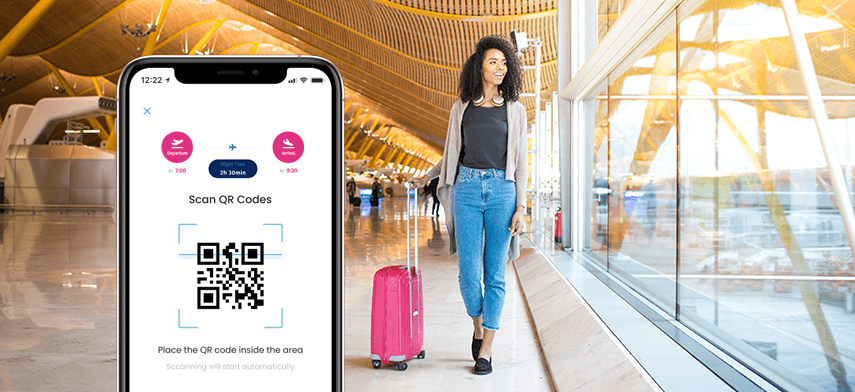
ClickToGuide, one of the leading travel booking platforms focused on Dubai and UAE attractions, illustrates how this works in practice. The platform offers verified best-rate pricing across a curated selection of Dubai's top attractions — from the Burj Khalifa observation deck to desert safaris to waterparks — with an instant mobile QR voucher delivered to the visitor's inbox within minutes of booking. There are no paper tickets, no booking fees, and no queue at the gate counter. The visitor presents their phone and walks in.
That sounds simple, but the technical and logistical infrastructure behind it is not. These platforms need real-time inventory synchronisation with attraction operators, dynamic pricing engines that reflect weekday versus weekend demand, multilingual support and checkout flows that work across currencies for visitors from India, the UK, Russia, GCC countries, and beyond, and flexible rebooking systems that allow date changes without heavy cancellation penalties.
Dynamic Pricing and Demand Management
One of the most significant impacts of digital ticketing is the shift toward demand-sensitive pricing. Attractions in Dubai now routinely charge different rates for weekday versus weekend entry, offer early-bird online rates, and provide bundled passes that increase average transaction value while giving visitors better perceived value.
For a venue like Aquaventure Waterpark, this means weekday day passes can be priced meaningfully lower than weekend rates, which smooths out demand across the week and reduces the risk of a Saturday where the park reaches capacity by midday while Tuesday sits underutilised. The flexible day pass — available for visitors whose travel plans may shift — adds another pricing tier that captures demand from travellers who previously would have skipped booking in advance because they were uncertain of their schedule.
For the consumer, dynamic pricing creates a clear incentive to plan and book online. Gate pricing remains intentionally higher. The message is simple: book in advance digitally, pay less, skip the queue, guarantee your entry.
The Data Advantage for Attraction Operators
Beyond the visitor experience, digital ticketing creates a data layer that did not exist in the paper ticket era. When a booking platform processes a ticket sale, the attraction operator gains advance visibility into expected footfall — by day, by time slot, and by visitor origin. This allows more precise staff scheduling, food and beverage preparation, and marketing decisions.
Platforms that aggregate bookings across multiple attractions also generate cross-destination insights. Which visitors who book for the Burj Khalifa also book a desert safari? What is the average lead time between booking and visit for tourists from the UK versus India? These patterns inform how attractions structure their combo offers and how platforms surface recommendations at the right moment in the booking journey.
Accessibility and Localisation at Scale
Dubai's tourism base is genuinely global, and one of the underappreciated challenges in digital ticketing is handling the full breadth of that diversity. Checkout flows need to work for visitors paying in Indian rupees via UPI, British pounds via Visa, and UAE dirhams via local bank transfer. Vouchers need to render correctly on every device and operating system. Support needs to handle enquiries across time zones.
The platforms that have scaled successfully in this space have invested heavily in localisation — not just language, but payment method acceptance, currency display, and communications that account for where a visitor is in their planning journey versus day-of arrival. For many international tourists, a platform like ClickToGuide is their first real interaction with Dubai's tourism infrastructure, long before they board a flight.
What This Means for Dubai's Broader Tourism Ambitions
Dubai has set an ambitious target of 25 million tourists annually by 2025, a goal that requires not just more attractions but a dramatically smoother visitor experience across every touchpoint. Digital ticketing infrastructure is a foundational part of that ambition. A city where a visitor can plan, book, and access a dozen world-class experiences entirely from their phone — with no queues, no paper, no overpaying — is a city that generates stronger word-of-mouth, higher repeat visit intention, and better reviews on the platforms that influence where millions of travellers choose to go next.
The technology itself is not complicated in concept. But building it reliably, at scale, for a globally diverse user base and an ever-expanding catalogue of Dubai tours and attractions, requires the kind of sustained operational investment that separates the platforms that grow with the destination from those that remain an afterthought.
As Dubai continues its trajectory as one of the world's most visited cities, the companies quietly building that digital infrastructure are as much a part of the story as the skyscrapers and waterparks themselves.
Appreciate the creator