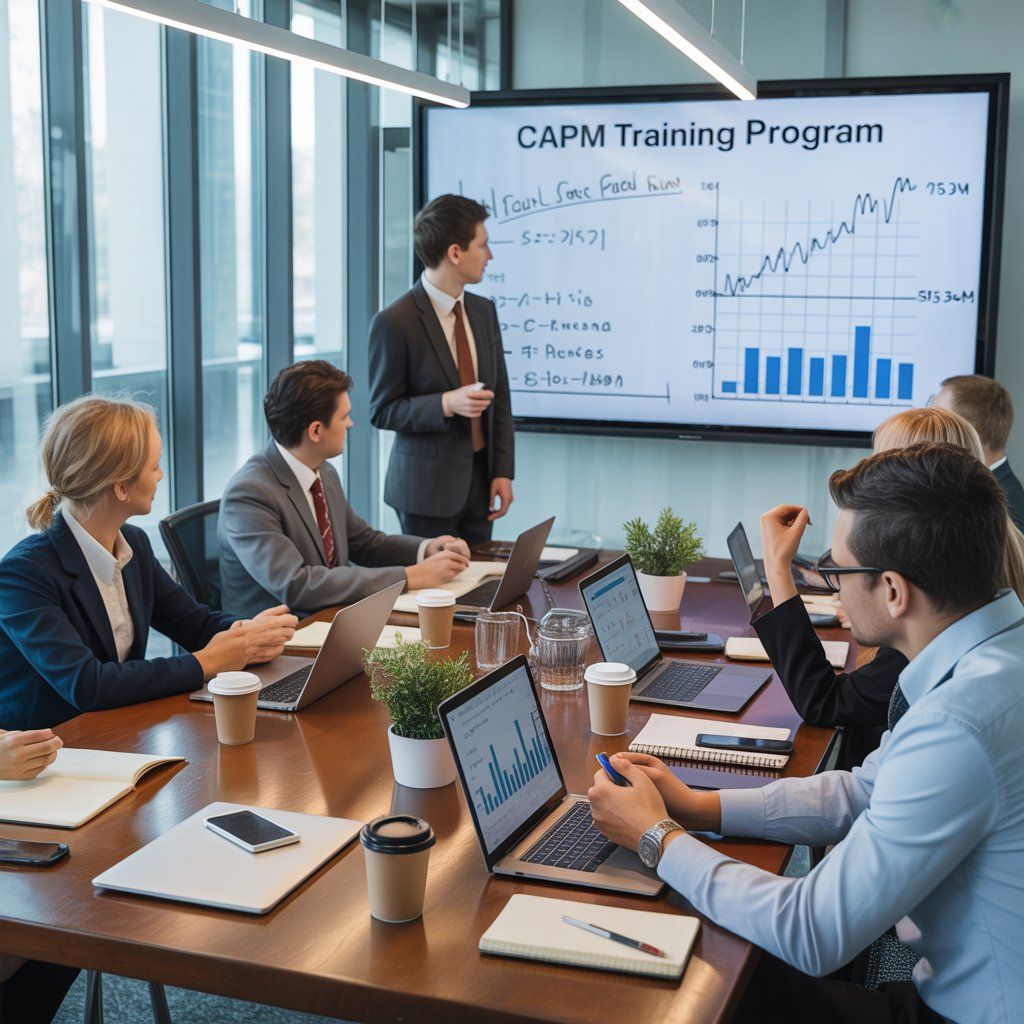
From Complete Beginner to Certified Associate – Your Smart Start in Project Management
If you're looking to break into project management with zero experience, the CAPM certification can be your strongest first step. The Project Management Institute (PMI) offers the Certified Associate in Project Management (CAPM) as an entry-level credential designed for beginners who want structured knowledge and global recognition.
This guide walks you through everything — from understanding CAPM to training, exam prep, career benefits, and related courses that boost your profile.
What is CAPM and Why Should You Care?
The CAPM certification proves you understand project management fundamentals, terminology, and frameworks. Unlike advanced certifications, it does not require years of project experience.
Why CAPM is a Great Starting Point:
No prior project management experience required
Globally recognized credential
Builds confidence and structured thinking
Opens doors to entry-level project roles
Strong foundation for future PMP certification
If you’re a student, graduate, career switcher, or junior professional, CAPM gives you a competitive edge.
Who Should Take CAPM Training?
CAPM is ideal for:
Fresh graduates
Working professionals shifting careers
Project coordinators
Team leads wanting formal certification
IT, construction, healthcare, or business professionals
If you want credibility in project environments without years of experience, CAPM is built for you.
CAPM Certification Training Structure
Step 1: Understand the Exam Framework
CAPM is based on PMI’s project management standards and best practices. Training programs cover:
Project management fundamentals
Predictive (Waterfall) approaches
Agile basics
Project lifecycle and knowledge areas
A structured training course ensures you don’t just memorize — you understand concepts clearly.
Step 2: Enroll in a Quality CAPM Training Program
A good CAPM training course typically includes:
23 contact hours of formal project management education
Interactive sessions
Real-life examples
Practice questions
Mock exams
Study materials
What to Look for in Training:
PMI-aligned curriculum
Experienced instructors
Practice test support
Flexible learning mode (online/live/self-paced)
Step 3: Practice Like a Pro
Preparation is key. Focus on:
Understanding concepts, not just definitions
Practicing scenario-based questions
Reviewing weak areas
Taking timed mock exams
Consistency beats cramming. Study 1–2 hours daily over 4–6 weeks for best results.
CAPM vs Other Popular Courses
Choosing the right certification depends on your career stage. Here’s how CAPM compares with other courses:
CAPM vs PMP
The Project Management Professional (PMP) is for experienced project managers. It requires project experience, while CAPM is beginner-friendly.
CAPM vs PRINCE2
The PRINCE2 certification focuses on process-driven project management, mainly popular in the UK and Europe. CAPM has broader global recognition.
CAPM vs Agile Certifications
Certifications like Certified ScrumMaster (CSM) focus only on Agile frameworks. CAPM covers both predictive and Agile basics, making it more comprehensive for beginners.
If you're unsure about specialization, CAPM offers a balanced foundation before choosing a niche.
Benefits of CAPM Certification
Career Growth Opportunities
After CAPM, you can apply for roles like:
Project Coordinator
Project Analyst
Junior Project Manager
Associate Project Manager
PMO Support Executive
Salary Boost
Certified professionals often earn higher salaries than non-certified peers due to validated knowledge and commitment to the profession.
Global Recognition
CAPM is accepted worldwide, making it valuable if you plan to work internationally.
Simple Study Plan for Beginners
Week 1:
Understand project management basics and lifecycle.
Week 2:
Focus on knowledge areas and process groups.
Week 3:
Study Agile principles and business analysis basics.
Week 4:
Revise, take mock tests, and strengthen weak areas.
Tip: Make short notes for quick revision before the exam.
Common Mistakes to Avoid
Memorizing without understanding
Ignoring Agile concepts
Skipping mock tests
Waiting too long after training to schedule the exam
Not reading questions carefully during the exam
Stay consistent and disciplined — that’s the secret.
How to Apply for the CAPM Exam
Create an account on the PMI website
Submit education details
Complete 23 contact hours
Pay the exam fee
Schedule your exam
The exam is computer-based and consists of multiple-choice questions.
What Happens After You Pass?
Congratulations! Once certified, you can:
Add CAPM after your name
Update LinkedIn and resume
Apply for better job roles
Start preparing for PMP in the future
CAPM is often the stepping stone to advanced project leadership roles.
Conclusion
CAPM certification training is the perfect launchpad for aspiring project managers. It builds strong fundamentals, enhances confidence, and improves job prospects without requiring years of experience.
Whether you're starting fresh or shifting careers, CAPM gives you clarity, credibility, and career momentum. Invest in the right training, follow a structured study plan, and stay committed — your certification journey can transform your professional path.
Frequently Asked Questions (FAQs)
1. Is CAPM difficult for beginners?
No. With proper training and consistent study, beginners can pass comfortably.
2. How long does it take to prepare for CAPM?
Typically 4–6 weeks with regular study.
3. Is CAPM worth it in 2026?
Yes. Project management skills are in high demand across industries.
4. Can I take CAPM without project experience?
Yes. CAPM does not require prior project management experience.
5. What comes after CAPM?
Most professionals aim for PMP certification after gaining project experience.
Appreciate the creator