Freeze-All Strategy in IVF: When and Why It Is Recommended By Dr. Poonam Goyal
The freeze-all strategy is an advanced and increasingly preferred approach in IVF treatment where all viable embryos are cryopreserved and transferred in a later cycle instead of performing a fresh embryo transfer. This method allows better synchronization between the embryo and the uterine environment, ultimately improving implantation rates and pregnancy outcomes in selected patients.
As an Infertility specialist in Delhi, I often recommend this strategy based on individual clinical conditions, as it enhances both safety and success in modern fertility care.
What is Freeze-All Strategy in IVF
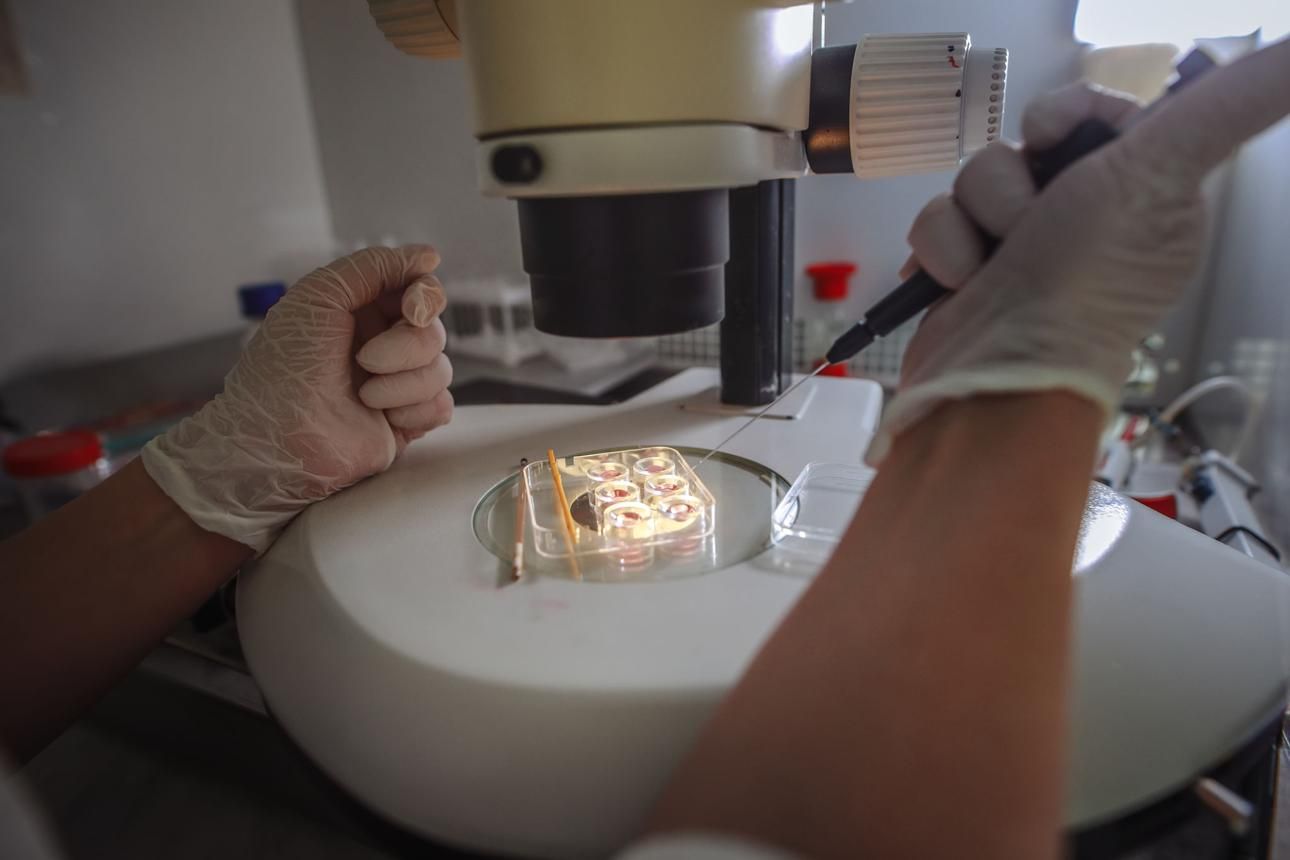
In a conventional IVF cycle, embryos are transferred into the uterus a few days after fertilization. However, in the freeze-all approach, all embryos are frozen using advanced vitrification techniques, and embryo transfer is planned in a subsequent cycle when the uterus is hormonally more receptive.
This strategy is widely practiced in leading centers recognized for the Best obstetrics and gynecology in Delhi, where the focus is on personalized treatment and improved clinical outcomes.
Why Freeze-All Strategy is Recommended
The decision to adopt a freeze-all approach is based on several clinical factors that may affect implantation success or patient safety.
Prevention of Ovarian Hyperstimulation Syndrome
Women who respond excessively to ovarian stimulation are at risk of developing ovarian hyperstimulation syndrome. In such cases, delaying embryo transfer and freezing all embryos helps avoid complications and ensures patient safety.
Improved Endometrial Receptivity
Hormonal stimulation during IVF can sometimes disrupt the natural environment of the uterus. By postponing embryo transfer, the endometrium is given time to recover, improving its ability to support implantation.
Elevated Progesterone Levels
High progesterone levels during ovarian stimulation can negatively affect embryo implantation. The freeze-all strategy allows transfer in a hormonally balanced cycle, increasing the chances of success.
Better Embryo Selection
Freezing embryos allows time for extended culture to the blastocyst stage, enabling better selection of high-quality embryos for transfer.
Genetic Testing Support
In cases where preimplantation genetic testing is required, embryos are frozen while awaiting results. This ensures that only genetically healthy embryos are selected for transfer.
Medical or Personal Reasons
Sometimes embryo transfer needs to be postponed due to medical conditions, uterine abnormalities, or personal preferences. Freeze-all provides flexibility without compromising treatment success.
Clinical Benefits of Freeze-All Strategy
The freeze-all approach offers several advantages that contribute to improved IVF outcomes.
It helps achieve better synchronization between embryo development and uterine receptivity, which is critical for implantation. It reduces the risk of complications such as ovarian hyperstimulation syndrome, ensuring safer treatment. It allows clinicians to optimize the uterine environment before transfer, leading to higher implantation and pregnancy rates in selected cases.
Patients often expect such advanced and safe approaches when searching for the Best obstetrics and gynecology near me, especially in urban healthcare settings where personalized care is prioritized.
When Freeze-All Strategy May Not Be Required
Although the freeze-all approach offers significant benefits, it is not necessary for every patient. In women with stable hormonal levels, good ovarian response, and a well-prepared endometrium, fresh embryo transfer may still provide excellent outcomes.
The choice between fresh transfer and freeze-all should always be individualized based on clinical evaluation, patient history, and response to stimulation.
Role of Specialist Expertise
The success of the freeze-all strategy depends largely on accurate clinical judgment and experience. Proper patient selection, timing, and monitoring are essential for achieving optimal results.
As an Infertility specialist in Delhi, my approach includes careful hormonal monitoring, ultrasound evaluation, and individualized treatment planning. This ensures that each patient receives the most appropriate strategy aligned with the standards followed by the Best obstetrics and gynecology in Delhi.
Patient Perspective
For many patients, the idea of delaying embryo transfer may cause concern. However, it is important to understand that this delay is a planned and strategic decision aimed at improving success rates. Modern freezing techniques ensure high survival rates of embryos after thawing, making the process safe and effective.
The freeze-all strategy also provides flexibility and allows patients to proceed with embryo transfer under optimal conditions, which can positively impact the overall IVF journey.
Conclusion
The freeze-all strategy represents a significant advancement in IVF treatment. By focusing on patient safety and optimizing uterine conditions, it enhances the chances of successful pregnancy in selected cases.
Consulting an experienced Infertility specialist in Delhi can help determine whether this approach is suitable for your specific condition. When looking for the Best obstetrics and gynecology in Delhi or the Best obstetrics and gynecology near me, it is important to choose a specialist who offers personalized, evidence-based fertility care.
FAQs
1 What is freeze-all IVF
It is an IVF approach where all embryos are frozen and transferred in a later cycle
2 Is freeze-all better than fresh embryo transfer
It depends on the patient’s condition and may offer better results in certain cases
3 Are frozen embryos safe
Yes modern vitrification techniques ensure high survival and success rates
4 Does freeze-all delay pregnancy
It delays embryo transfer slightly but can improve overall success rates
5 Who should consider freeze-all strategy
Patients with high ovarian response, hormonal imbalance, or those requiring genetic testing may benefit the most
Top of Form
Appreciate the creator