Fragrance Oils: Uses, Benefits, and How to Choose the Right One
Fragrance oils have become an essential ingredient across many industries, from candle making and soap crafting to perfumes, cosmetics, and home fragrance products. They are valued for their ability to provide consistent, long-lasting scents in a wide variety of applications. Whether you are a hobbyist creating handmade products or a business producing items at scale, understanding how fragrance oils work can help you achieve better results.
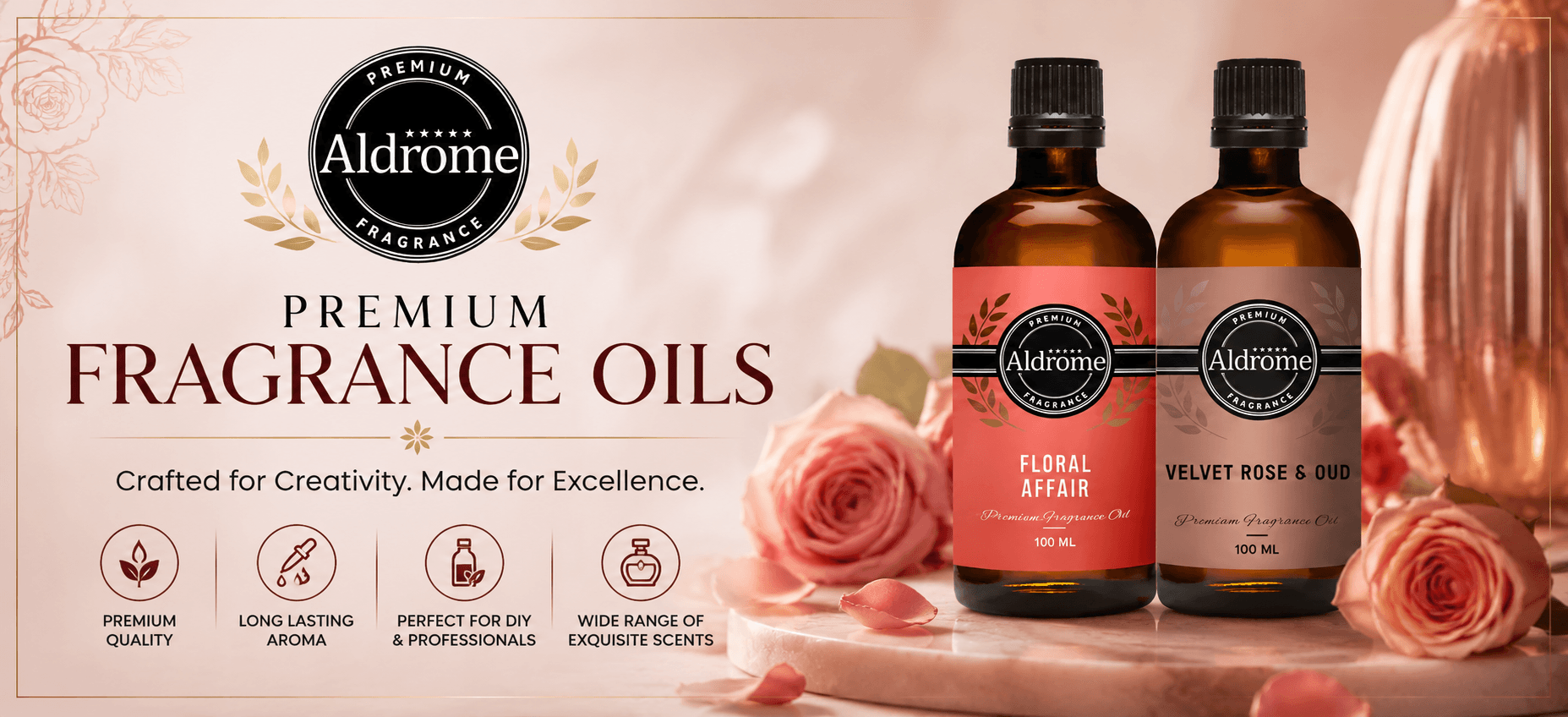
Today, the market offers thousands of fragrance options, inspired by flowers, fruits, herbs, spices, woods, desserts, and luxury perfumes. Brands such as Aldrome Fragrance Oils provide a broad range of fragrance profiles that can be used for different creative and commercial purposes while maintaining consistent quality standards.
What Are Fragrance Oils?
Fragrance oils are specially formulated aromatic blends designed to add pleasant scents to products. They may contain natural extracts, synthetic aroma compounds, or a combination of both to create unique and stable fragrances.
Unlike essential oils, which are extracted directly from plants through methods such as steam distillation or cold pressing, fragrance oils (https://aldrome.com/collections/fragrance-oil) are created to offer a wider selection of scents, improved stability, and better performance in various formulations.
These oils are commonly used because they retain their fragrance well during manufacturing processes and offer excellent scent consistency from batch to batch.
Common Uses of Fragrance Oils
Fragrance oils are versatile and suitable for numerous personal care and home fragrance applications, including:
Candle making
Soap making
Perfume and body mists
Room sprays
Reed diffusers
Wax melts
Bath bombs
Lotions and creams
Hair care products
Potpourri and air fresheners
Each application may require a different fragrance concentration, so it is important to follow the recommended usage guidelines for the product being created.
Benefits of Using Fragrance Oils
There are several reasons why fragrance oils continue to be popular among manufacturers and DIY enthusiasts.
Wide Variety of Scents
Fragrance oils are available in countless scent families, including floral, fruity, woody, citrus, gourmand, aquatic, and oriental fragrances. This variety allows creators to match fragrances with seasonal collections, customer preferences, or specific product themes.
Consistent Performance
One of the major advantages of fragrance oils is consistency. High-quality fragrance oils provide uniform scent performance, helping manufacturers produce products with reliable fragrance strength and character.
Long-Lasting Aroma
Many fragrance oils are formulated to deliver lasting scent retention in finished products, making them suitable for candles, soaps, diffusers, and personal care products.
Creative Flexibility
Fragrance oils can often be blended together to create custom scent combinations. This flexibility enables product developers to create signature fragrances that stand out in the market.
How to Choose the Right Fragrance Oils
Selecting the right fragrance oil depends on your intended application and desired fragrance profile. Consider the following factors:
Choose fragrances designed for your specific product.
Review fragrance notes, including top, middle, and base notes.
Test small batches before large-scale production.
Ensure the oil is compatible with your wax, soap base, or cosmetic formulation.
Look for consistent quality from a trusted supplier.
Many experienced makers also evaluate scent throw, stability, and performance under different manufacturing conditions before finalizing a fragrance.
Understanding Fragrance Notes
Most fragrance oils are developed using three layers of scent:
Top Notes: The first impression of the fragrance, often fresh or citrusy.
Middle Notes: The heart of the fragrance that develops after the top notes fade.
Base Notes: The longest-lasting portion of the fragrance, typically warm, woody, musky, or sweet.
A balanced combination of these notes creates a fragrance that evolves naturally over time.
Tips for Proper Storage
Proper storage helps preserve the quality and longevity of fragrance oils.
Store in tightly sealed containers.
Keep away from direct sunlight.
Maintain a cool and dry storage environment.
Avoid contamination by using clean equipment.
Label containers clearly with fragrance names and batch information.
Following these practices helps maintain fragrance consistency over extended storage periods.
Final Thoughts
Fragrance Oils continue to play a significant role in the creation of scented candles, soaps, cosmetics, perfumes, and home fragrance products. Their wide range of fragrance options, reliable performance, and versatility make them suitable for both beginners and professional manufacturers. Whether selecting floral, fruity, woody, or luxury-inspired scents, choosing high-quality oils and testing them for your specific application can improve the overall quality of the finished product. Aldrome Fragrance Oils represent one example of fragrance oils available for various creative and manufacturing needs, making it easier for makers to explore different scent profiles while developing products that deliver a pleasant and lasting fragrance.
Appreciate the creator