Exploring Surgical and Non-Surgical Options for Penile Enlargement
Penile enlargement is a subject that has gained increasing interest among men who wish to improve their confidence, appearance, or sexual performance. While some pursue it for medical reasons, others are motivated by aesthetic concerns. Today, advancements in medical technology offer both surgical and non-surgical options for penile enlargement. This blog explores these methods, their benefits, and important safety considerations.
Why Men Consider Penile Enlargement
Boosting Confidence: Many men believe a larger size may improve self-esteem.
Enhanced Intimacy: Some pursue enlargement to increase satisfaction for themselves and their partners.
Medical Needs: Conditions like Peyronie’s disease or erectile dysfunction may require interventions.
Aesthetic Concerns: Men may seek more balanced proportions.
Surgical Options for Penile Enlargement
Surgical approaches are often chosen by men seeking more permanent results. However, they involve higher risks, longer recovery, and greater costs.
1. Suspensory Ligament Release
This surgery detaches the ligament that anchors the penis to the pubic bone.
By releasing this ligament, more of the penile shaft becomes externally visible, giving the appearance of added length.
Pros: Permanent results, significant length improvement.
Cons: Risk of scarring, recovery period, potential changes in penile stability.
2. Fat Transfer or Dermal Grafts
Fat is harvested from another part of the body and injected into the penis to increase girth.
In some cases, dermal grafts are used for more structure.
Pros: Uses natural body fat, noticeable girth enhancement.
Cons: Results may not be consistent; fat can reabsorb over time.
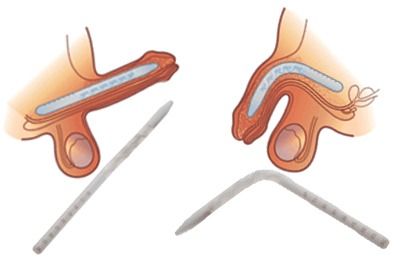
3. Penile Implants
Primarily used to treat erectile dysfunction.
Certain implants can also enhance both size and rigidity, improving appearance and performance.
Pros: Long-term solution for ED and enlargement.
Cons: Invasive, costly, and requires medical follow-up.
Non-Surgical Options for Penile Enlargement
Non-surgical treatments are less invasive, involve shorter recovery times, and are often more affordable. While results may not be permanent, they are safer and carry fewer complications.
1. Dermal Fillers
Hyaluronic acid-based fillers are injected to add girth.
Results typically last several months to a year.
Pros: Quick procedure, immediate results.
Cons: Temporary, requires repeat sessions.
2. Platelet-Rich Plasma (PRP) Injections
PRP is taken from the patient’s own blood and injected into penile tissue.
Believed to improve blood flow, sensitivity, and function.
Pros: Natural, minimal risk of allergic reactions.
Cons: Scientific evidence of enlargement is limited.
3. Vacuum Pumps and Extenders
Vacuum pumps create suction to temporarily increase blood flow, making the penis appear larger.
Extenders are devices worn for hours daily to stretch penile tissue over time.
Pros: Non-invasive, relatively safe.
Cons: Temporary (for pumps); requires consistency and patience (for extenders).
4. Lifestyle and Natural Methods
Exercises (Jelqing, Stretching): Techniques believed to encourage growth.
Supplements and Pills: Often marketed but lack scientific proof.
Fitness and Weight Loss: Reducing fat in the pubic region can make the penis look larger.
Pros: Affordable, low-risk if done correctly.
Cons: Limited evidence, potential for misuse-related injury.
Comparing Surgical vs. Non-Surgical Options
FeatureSurgical OptionsNon-Surgical OptionsResultsPermanent or long-lastingTemporary to moderateRisk LevelHigher (infection, scarring, complications)Lower (minimal side effects)RecoveryWeeks to monthsHours to daysCostExpensiveModerate to affordableSuitabilityBest for men with medical or severe concernsBest for men seeking mild to moderate improvement
Safety Considerations
Regardless of the method chosen, safety should always come first.
Consult a Specialist: Always seek advice from a certified urologist or surgeon.
Set Realistic Expectations: Not all treatments deliver dramatic results.
Be Aware of Risks: Surgical risks include infection, scarring, or dissatisfaction with outcomes.
Avoid Unsafe Products: Many unregulated pills and devices can cause harm.
Conclusion
Penile enlargement offers both surgical and non-surgical options, each with unique benefits and risks. Surgical procedures often provide longer-lasting results but come with higher risks, while non-surgical treatments are safer and more accessible but may require repeated sessions.
Ultimately, the best choice depends on your goals, medical history, and comfort with potential risks. Consulting a qualified healthcare professional is the most important step in ensuring safe and effective results.
Appreciate the creator