Expert Mold Removal Solutions for Moisture and Mold Problems
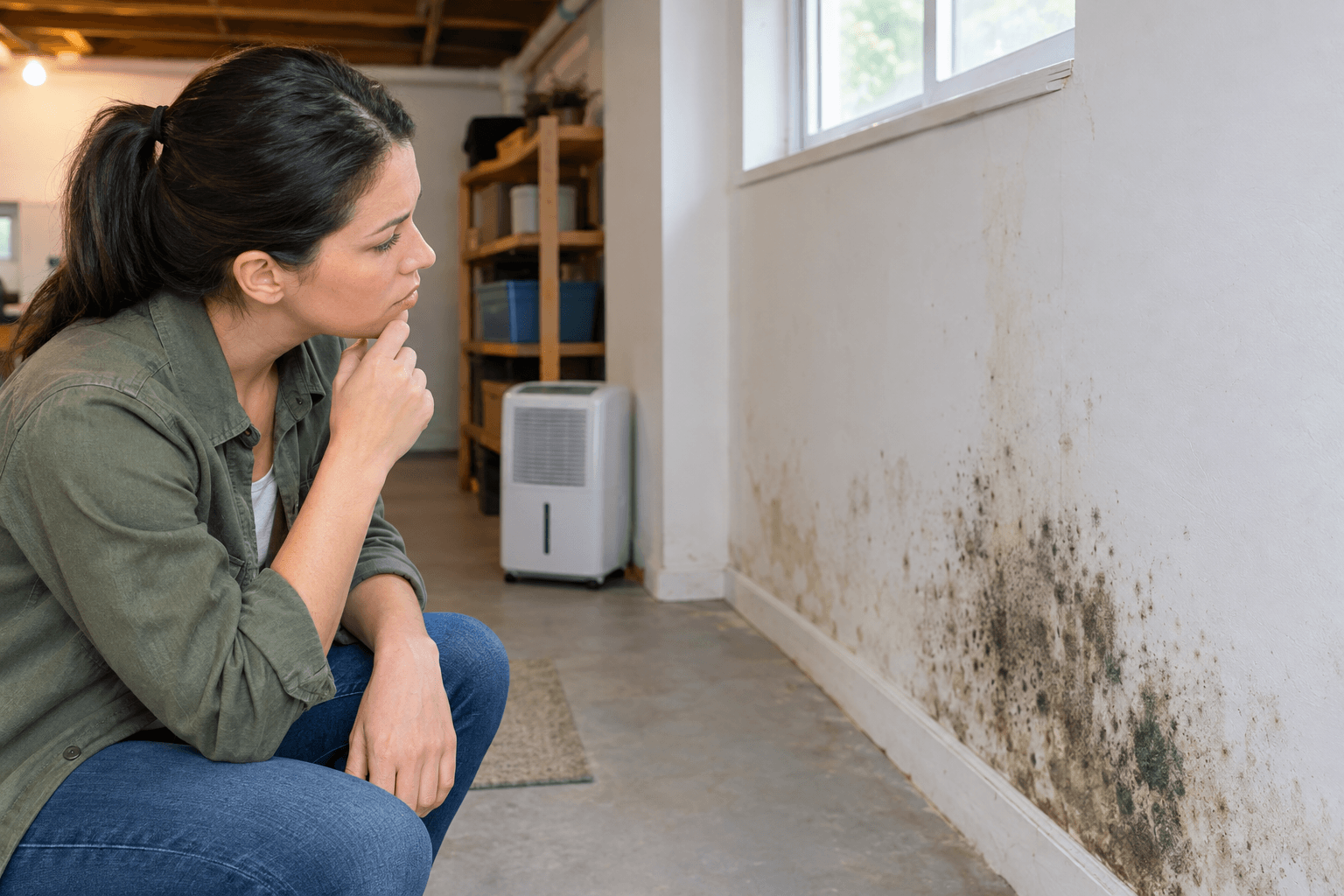
There's a particular kind of dread that comes with catching a musty smell in your basement and not being able to find where it's coming from. Or spotting a faint gray patch on the bathroom ceiling that definitely wasn't there last month. Mold has a way of showing up quietly and then getting worse fast, and most homeowners don't realize how serious it is until it's already spread further than they'd like.
Here's the thing though mold problems almost always come down to one root issue: moisture. Once you understand that connection, dealing with mold stops feeling like guesswork and starts feeling manageable. Let's get into what actually causes it, how to spot it early, and when it's worth calling in help.
Why Does Mold Even Show Up in the First Place?
Mold spores are already floating around in the air inside pretty much every home; that part is unavoidable. What mold actually needs to grow is moisture, and unfortunately, most houses have no shortage of places where water can sneak in or linger.
A few of the usual culprits:
A slow roof leak nobody's noticed yet
Bathrooms and kitchens without decent ventilation
Basements or crawl spaces sitting at high humidity
Condensation building up on windows or cold pipes
Water damage from a storm, a burst pipe, or a foundation crack
Give mold a damp surface and something organic to feed on drywall, wood, carpet padding and it can start colonizing within a day or two. That's part of why it seems to "appear overnight." It kind of does.
The Warning Signs Aren't Always Obvious
Some mold is easy to spot dark speckled patches, discoloration along grout lines, that sort of thing. But a lot of mold growth happens somewhere you can't see it: behind wallpaper, under carpet, inside wall cavities, or tucked away in HVAC ductwork.
So instead of relying only on your eyes, pay attention to these clues too:
A musty, earthy smell that won't go away no matter how much you clean
Water stains or paint that's starting to bubble or peel
Allergy symptoms, coughing, or general respiratory irritation that seems worse at home
Feeling noticeably better when you're away from the house for a few days
That last one trips people up. If your allergies calm down on vacation and flare right back up the moment you walk in the door, it's worth taking seriously.
Where Mold Tends to Take Hold
Some areas of a house are just more mold-prone than others, mostly because they stay damp longer or don't get much airflow.
Basements and crawl spaces are classic problem zones low ventilation combined with ground moisture is basically a welcome mat. Bathrooms deal with daily humidity from showers, and if the exhaust fan isn't pulling its weight, moisture just sits there. Kitchens have their own issues with steam and the occasional under-sink leak nobody catches right away. Attics run into trouble when there's a roof leak or insufficient insulation. And HVAC systems this one's easy to overlook can develop condensation inside the ductwork and end up blowing mold spores into every room in the house.
How a Real Remediation Process Actually Works
Before anyone starts tearing out drywall or scrubbing surfaces, it helps to actually know what you're dealing with not just the mold you can see, but what might be hidden or circulating through the air. That's where mold remediation air quality testing (https://fixmold.com/services/mold-testing-services-miami/) comes in. It measures how much mold spore concentration is actually present in your indoor air, which is often the only way to catch contamination in spots that look completely clean. It's also how a remediation team confirms, once the job's done, that spore levels have actually dropped back to a safe range instead of just assuming they have.
A proper remediation job generally moves through a few stages:
Inspection and testing to pinpoint moisture sources and identify the type of mold, often backed by air quality testing for a more accurate read on severity
Containment, sealing off the work area so spores don't spread to the rest of the house mid-removal
Air filtration using HEPA systems to catch what's airborne
Physical removal of anything too far gone to clean affected drywall, insulation, flooring
Fixing the actual moisture source, because none of the above matters if the leak or humidity problem is still there
Sanitizing remaining surfaces and running clearance testing to confirm the space is genuinely safe again
That fifth step trips a lot of people up. It's the one that gets skipped most often in DIY attempts, and it's exactly why mold keeps coming back even after someone's scrubbed it away twice already.
DIY or Call a Professional?
Small, isolated spots a bit of mold in the corner of a shower, say are often fine to handle yourself with basic cleaning products and better airflow going forward. But there are situations where professional mold remediation really is the smarter call, not just the safer-sounding one:
Mold covering more than roughly 10 square feet
Mold that keeps returning to the same spot no matter what you try
Anything growing inside HVAC ducts
Mold that shows up after flooding or major water damage
Suspected black mold
Anyone in the household dealing with asthma, allergies, or a weakened immune system
Professional remediation isn't just a more thorough cleaning; it's built around fixing the moisture source, containing the spread properly, and verifying the results with actual air quality testing. That last part is hard to replicate with a bottle of bleach and good intentions.
Keeping It From Coming Back
Once mold's been dealt with, the real goal shifts to making sure it doesn't come back:
Keep indoor humidity somewhere around 30–50%, using a dehumidifier in basements if needed
Run exhaust fans in bathrooms and kitchens, and look into better attic ventilation if that's an issue
Fix leaks as soon as you notice them; even small, slow ones can keep mold fed for months
Consider mold-resistant drywall or paint in rooms that deal with a lot of moisture
Check basements, crawl spaces, and under sinks every so often, even when nothing seems wrong
When It's Time to Bring in Help
If mold keeps reappearing, covers a large area, or you're just not sure how bad the problem actually is, it's worth getting a professional opinion. Pairing mold remediation air quality testing with professional mold remediation (https://fixmold.com/) gives you a much clearer picture of what's actually going on and a much better shot at making sure it's handled for good, not just for now.
Summing Up
Mold is rarely the real problem it's a symptom of moisture that hasn't been dealt with. Treat the moisture, and the mold tends to take care of itself. Ignore it, and you're really just buying time. Whether you're staring down a small bathroom spot or something more widespread in the basement, understanding that connection is what separates people who fix it once from people who keep fighting the same mold spot every six months.
If something feels off with your air quality or you keep noticing mold creeping back, don't wait it out. A professional inspection now is a lot cheaper than the repairs you'll be looking at later.
Appreciate the creator