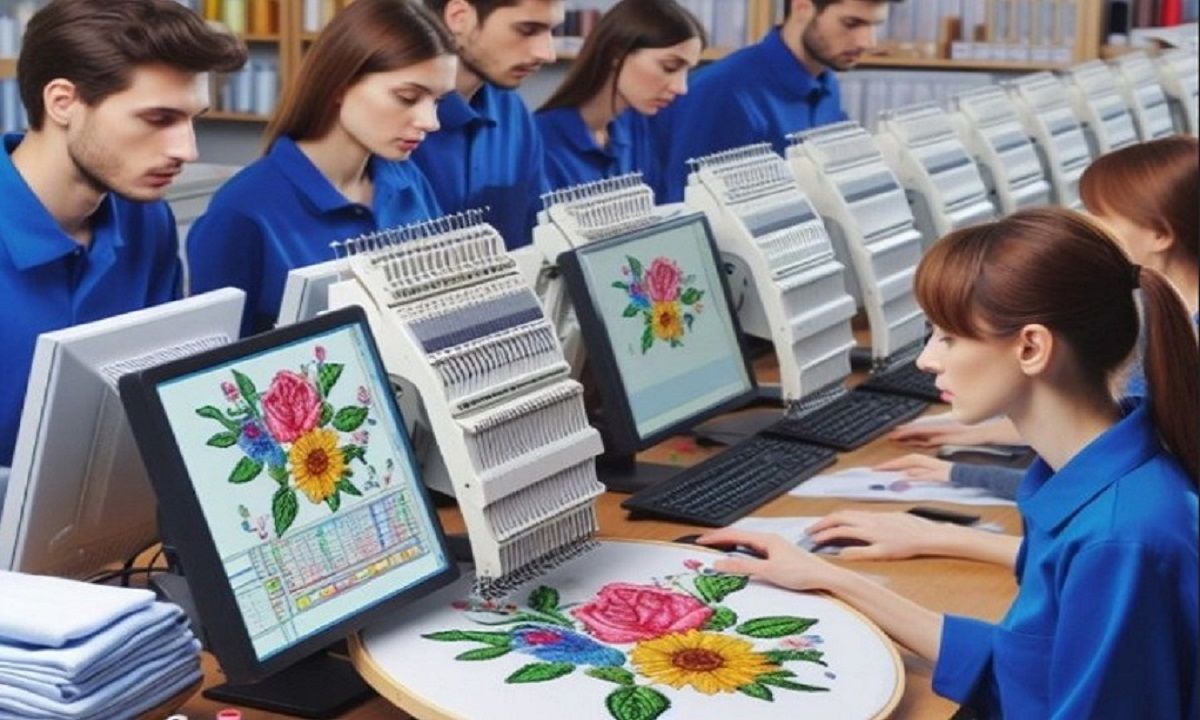
Expert Embroidery Digitizing Services – Perfect Stitch Files
If you love embroidery or run a business that relies on custom stitching, then you already know how important file quality is. This is where Embroidery Digitizing Services come in. They transform simple artwork or logos into detailed stitch files that embroidery machines can read. Without digitizing, even the most beautiful designs can’t be translated into perfect stitches. That’s why professional digitizing plays a key role in making sure your embroidery projects look clean, sharp, and flawless.
What Are Embroidery Digitizing Services?
Embroidery digitizing is the process of converting images, logos, or artwork into machine-readable embroidery files. These files tell the embroidery machine where to place stitches, what stitch type to use, and how to run the design for the best outcome.
Unlike simply uploading a picture, digitizing requires skill, precision, and specialized software. A professional digitizer ensures that the final output looks great on fabric—whether it’s a polo shirt, hat, jacket, or custom patch.
Why Digitizing Is Essential for Embroidery
You might wonder: why not just upload a JPG or PNG to your embroidery machine? The truth is, embroidery machines can’t interpret regular image files. They need specific stitch instructions. That’s where digitizing steps in.
Here’s why embroidery digitizing is so important:
Accuracy in Stitching: Ensures that every detail of your logo or artwork is translated into thread.
Consistency: Guarantees that the design looks the same across multiple garments.
Scalability: Makes it possible to resize the design while maintaining stitch quality.
Fabric Compatibility: Adjusts stitch density and types depending on the material.
Professional Results: Gives your embroidery a polished, high-end look.
The Process of Professional Digitizing
Embroidery digitizing might sound simple, but it requires technical expertise and artistic judgment. Here’s how professionals usually approach it:
Artwork Review – The design is analyzed to determine stitch types, complexity, and colors.
Digitizing in Software – Specialized programs like Wilcom or Hatch are used to create stitch paths.
Assigning Stitch Types – Satin, fill, and run stitches are chosen based on design details.
Test Sew Out – The design is tested on fabric to ensure it stitches smoothly.
Final Delivery – The perfect stitch file is provided in the desired format (DST, PES, JEF, etc.).
File Formats for Embroidery Digitizing
When you work with embroidery digitizers, they provide you with files in formats that match your machine type. Some common ones include:
DST – Commonly used for Tajima machines.
PES – Standard for Brother and Babylock machines.
JEF – Used by Janome machines.
EXP – Melco embroidery machines.
VP3, HUS, XXX – Formats for Husqvarna and Singer machines.
Choosing the correct format ensures your machine runs the design without errors.
Who Needs Embroidery Digitizing Services?
Embroidery digitizing isn’t just for large companies—it’s for anyone who wants their designs to be stitched accurately. Some groups that rely heavily on digitizing include:
Small Business Owners – To brand uniforms and promotional merchandise.
Sports Teams – For logos on jerseys, hats, and team apparel.
Fashion Designers – To create unique, custom embroidery for clothing lines.
Event Planners – For custom embroidered giveaways like tote bags and caps.
Hobbyists – For personal projects and gifts.
No matter the scale, digitizing ensures your embroidery designs look professional.
Benefits of Expert Embroidery Digitizing
Hiring professionals to handle digitizing has several advantages over using free tools or inexperienced services.
Cleaner Output: Expert digitizers know how to handle complex logos and fine details.
Faster Production: With accurate stitch files, embroidery machines run smoothly.
Reduced Thread Breakage: Proper stitch settings prevent machine issues.
Fabric Adjustments: Professionals know how to adapt designs for hats, jackets, or t-shirts.
Consistent Quality: Every file is tested and optimized before delivery.
Common Challenges in Digitizing
Embroidery digitizing is not without challenges, especially when dealing with complex designs. Professionals overcome these hurdles with experience and advanced tools.
Tiny Text: Small fonts can be tricky to stitch and may need adjustments.
Color Blends: Thread colors are limited, so gradients need creative solutions.
Fabric Stretch: Designs must be optimized depending on whether the fabric is stretchy, thick, or delicate.
Design Complexity: Very detailed images may need simplification.
This is why working with experts is always better than relying on auto-digitizing software.
How to Choose the Right Digitizing Service
Not all embroidery digitizing services are created equal. Here are some things to look for when selecting one:
Experience – Check if they have handled a variety of designs and industries.
Turnaround Time – Fast delivery without compromising quality is crucial.
Customer Reviews – Feedback from other customers can give you confidence.
Multiple File Formats – Ensure they can provide files suitable for your embroidery machine.
Support & Revisions – A good service should offer adjustments if needed.
Tips for Getting the Best Results
If you’re planning to use digitizing services for your embroidery project, here are a few tips:
Provide the highest quality image of your logo or artwork.
Mention the fabric type so the digitizer can optimize stitches.
Specify the size of the embroidery to avoid scaling issues later.
Request a sample sew-out if possible.
Keep communication open with your digitizer for revisions.
These simple steps can help you achieve perfect results.
The Future of Embroidery Digitizing
Technology is constantly advancing, and embroidery digitizing is no exception. With improvements in software, AI-assisted digitizing, and more sophisticated embroidery machines, the process is becoming faster and more accurate.
Still, human expertise remains essential. A trained digitizer’s eye for detail ensures the final design isn’t just technically correct but also visually appealing. As businesses continue to invest in custom embroidery for branding, digitizing will remain in high demand.
Final Thoughts
Embroidery is more than just stitching—it’s an art that represents creativity, branding, and professionalism. To achieve flawless embroidery, high-quality Embroidery Digitizing Services are a must. They ensure your designs are translated into perfect stitch files that embroidery machines can run without issues. Whether you’re working on uniforms, promotional items, or personal projects, professional digitizing guarantees that your embroidery looks sharp, detailed, and durable.
Appreciate the creator