Everything You Need to Know About Solar Power Systems for Homes in 2026
As climate change, energy independence, and increasing utility prices become more prevalent globally, an increasing number of homeowners are looking to solar power systems for homes as a clean, renewable solution. In 2026, this movement isn’t merely growing it’s revolutionizing how families navigate their energy use, savings, and environmental footprint.
If you’re interested in going solar, it’s essential to know why solar is a good choice for homeowners, how a photovoltaic (PV) system operates, and what to expect from its installation and performance. Here’s a fresh perspective on what solar can deliver for your home in 2026 alongside how continued innovations and customer-centric service are redefining the home energy landscape.
Why More Homeowners Are Choosing Solar
The trend toward sustainable, energy-savvy living together with federal and state subsidies keeps home solar systems among the best energy options available. Solar panels create energy directly from sunlight, giving homeowners the ability to power their homes with renewable energy rather than relying solely on fossil-fuel-reliant utility providers.
It is now 2026, and everything has become more efficient, including solar panels, and battery storage solutions are the most affordable and powerful to date. Modern systems generate more electricity even on cloudy days, and advanced storage systems mean families have enough excess energy to use at night or in backup mode during outages.
Energy independence is no longer just something of the future it’s a practical reality for many homes.
A Modern Home Solar System: Key Components
Residential solar systems are made up of several key components that work together for optimal performance:
Solar Panels
They are used to collect sunlight and transform it into Direct Current (DC) electric energy.
Inverter
This converts Direct Current (DC) into Alternating Current (AC) to power your home appliances.
Battery Storage
It stores excess solar energy to use at night, during peak rate hours, or when the grid is down.
Monitoring System
Monitors energy generation, system performance, and household energy consumption in real time.
Collectively, these parts make it possible for a solar home system to deliver reliable and continuous energy while reducing reliance on the traditional power grid.
Installation and Efficiency in 2026
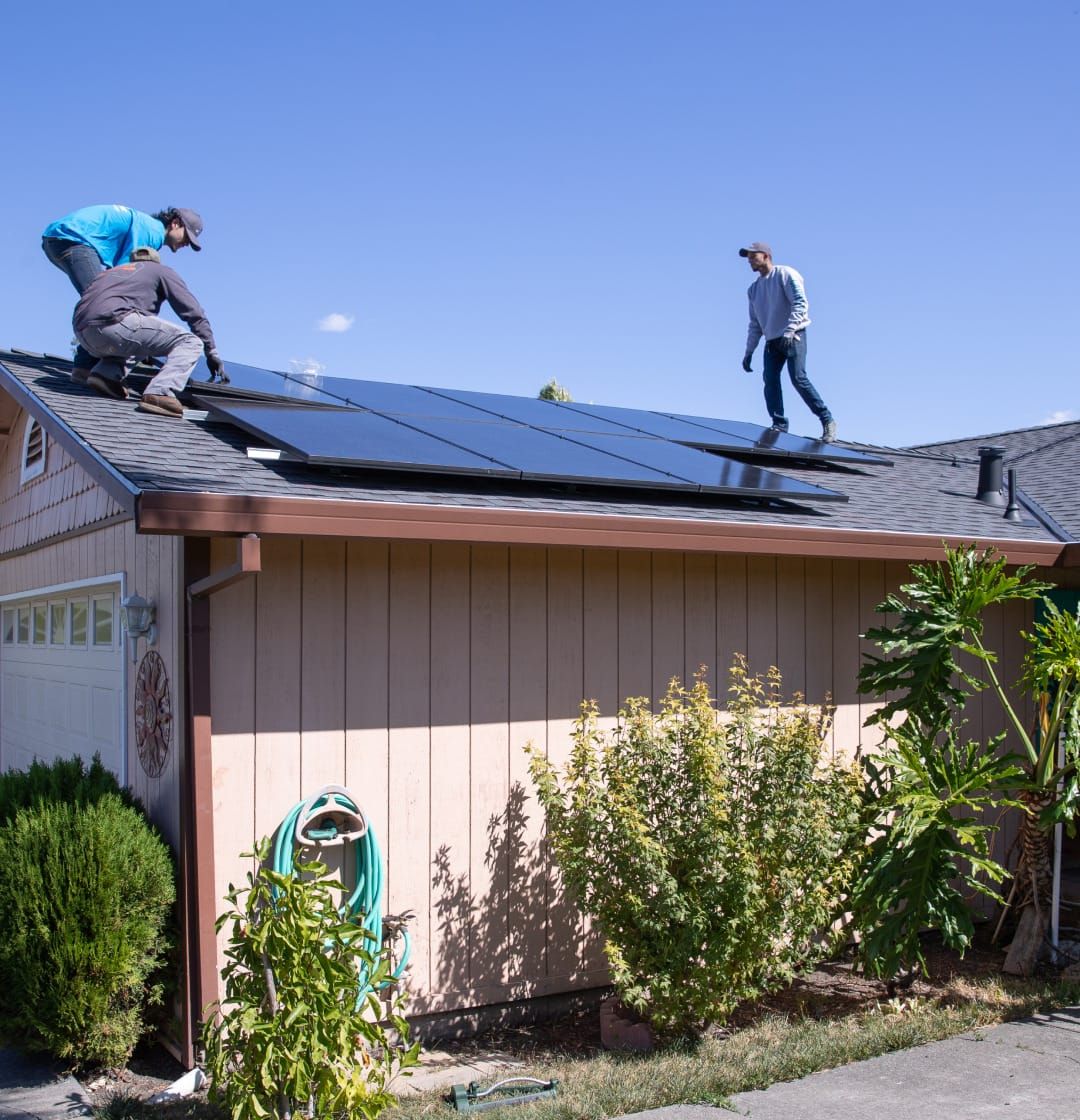
In 2026, solar technology is more robust, efficient, and sleek than ever before. The installation process is faster and more organized, and most residential systems are up and running within a couple of days.
The system design is dictated by
l Roof orientation
l Shading analysis
l Local climate conditions
l Household energy usage patterns
Professional solar companies place great emphasis on homeowner education, customized system design, and efficient integration with your existing electrical systems. Thanks to their skill and experience, installers know how to design systems that allow flexibility for both current and future energy needs.
Economic and Environmental Impact
There are comprehensive financial benefits to switching to solar energy. Many households can see significant decreases in their monthly electricity bills. If tax incentives, rebates, net metering programs, and other financial programs remain in effect for a few more years, these long-term returns look attractive even in 2026.
From an eco-friendly standpoint, residential solar energy:
l Reduces greenhouse gas emissions
l Reduces dependence on non-renewable sources of energy
l Promotes a cleaner, more sustainable energy grid
As systems continue to improve, homeowners can make an even bigger environmental impact with a smaller physical footprint.
What to Know Before Going Solar
Homeowners should assess their property’s solar potential before making the switch. Important considerations include:
l Roof age and structural condition
l Sun exposure and shading
l Local regulations and permitting requirements
l Current and projected energy usage
You will likely want to have a professional site assessment to determine the appropriate system size, expected production, and overall feasibility. You should also think about future energy demand, including electric vehicle charging or additional appliances, and how a system would grow with you.
Finding a reliable installer is also crucial. The right provider will help design a system that meets efficiency needs today while remaining flexible enough to accommodate future technological advancements.
A Smarter Energy Future
In 2026, home solar power systems are no longer considered an alternative; they’re a mainstream energy solution for the future. Homeowners now have more control and flexibility than ever with ongoing improvements in efficiency, storage, and smart energy management.
Making the switch to solar provides immediate savings, long-term financial security, and significant environmental benefits. Homeowners who go solar are making an investment not just in their property — but in a cleaner, more independent energy future.
Appreciate the creator