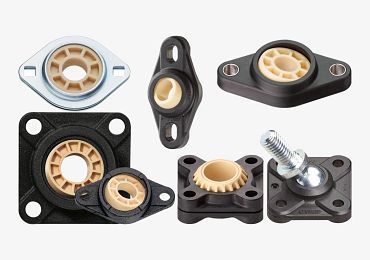
Enhancing Mechanical System Performance With Spherical Bearings
Spherical bearings play a crucial role in improving the performance of mechanical systems. These versatile components provide various benefits, including increased load capacity, improved alignment, reduced friction, and enhanced durability. In this article, we will explore the significance of spherical bearings and how they contribute to the efficient operation of mechanical systems.
Introduction
Mechanical systems rely on various components to function optimally, and spherical bearings are among the essential elements that contribute to their performance. These bearings offer a wide range of advantages that make them indispensable in numerous applications across different industries. By understanding their features and benefits, engineers and designers can harness their potential to enhance the efficiency and reliability of mechanical systems.
Understanding Spherical Bearings
Spherical bearings, also known as spherical plain bearings or spherical rod ends, consist of an inner ring with an outer spherical surface and an outer ring with an inner spherical surface. This design allows them to accommodate misalignment and oscillating movements, providing flexibility and stability in mechanical systems. The spherical shape enables them to rotate in multiple directions, making them suitable for applications with complex motion requirements.
Benefits of Spherical Bearings
Increased Load Capacity
One of the primary advantages of spherical bearings is their ability to handle high loads. The design distributes the load evenly across the contact surface, allowing for efficient transmission of forces. This capability makes them ideal for heavy-duty applications where other types of bearings may fail under excessive loads. The increased load capacity of spherical bearings ensures the structural integrity and longevity of mechanical systems.
Improved Alignment
Mechanical systems often encounter misalignment due to factors such as vibration, thermal expansion, or assembly errors. Spherical bearings excel in such scenarios by accommodating angular misalignment and axial displacement. They can compensate for these deviations, ensuring proper alignment between connected components. By maintaining alignment, spherical bearings prevent premature wear, reduce stress on adjacent parts, and promote smooth operation.
Reduced Friction
Friction is a common challenge in mechanical systems, leading to energy losses, heat generation, and increased wear. Spherical bearings are designed to minimize friction, thanks to their self-lubricating properties and ability to distribute forces evenly. The low friction characteristics of spherical bearings contribute to improved energy efficiency and reduced maintenance requirements. By reducing friction, these bearings enhance the overall performance of mechanical systems.
Enhanced Durability
Mechanical systems often operate in demanding environments that subject them to harsh conditions, including high temperatures, moisture, and contaminants. Spherical bearings are engineered to withstand these challenges, providing exceptional durability and reliability. They are often constructed from robust materials, such as stainless steel or special alloys, that offer resistance against corrosion, wear, and fatigue. The enhanced durability of spherical bearings ensures long-term performance and minimizes downtime.
Applications of Spherical Bearings
Spherical bearings find applications in various industries, including automotive, aerospace, and industrial machinery. Here are a few examples:
Automotive Industry
In the automotive sector, spherical bearings are utilized in suspension systems, steering linkages, and drivetrain components. Their ability to accommodate misalignment and oscillations enables smooth vehicle operation, enhanced maneuverability, and improved driver comfort.
Aerospace Sector
Spherical bearings are vital in aerospace applications, where they are used in control surfaces, landing gears, and engine mounts. These bearings provide reliable performance under extreme conditions, ensuring the safety and efficiency of aircraft operations.
Industrial Machinery
Industrial machinery relies on spherical bearings for various purposes, including conveyor systems, robotic arms, and hydraulic cylinders. Their load-carrying capacity, misalignment compensation, and durability contribute to the smooth functioning of these critical machines.
Factors to Consider when Choosing Spherical Bearings
When selecting spherical bearings for a specific application, several factors should be taken into account:
Load Capacity Requirements
Understanding the load requirements of the application is crucial for selecting the appropriate spherical bearing. Factors such as static load, dynamic load, and impact loads should be considered to ensure optimal performance and prevent premature failure.
Environmental Conditions
The operating environment, including temperature, humidity, and the presence of contaminants, can affect the performance and lifespan of spherical bearings. Choosing bearings with suitable materials and protective coatings ensures their reliability in challenging conditions.
Maintenance and Installation
Considering the ease of maintenance and installation is important for minimizing downtime and reducing overall costs. Spherical bearings that require minimal maintenance and have straightforward installation procedures contribute to efficient operation.
Proper Maintenance and Lubrication of Spherical Bearings
To maximize the performance and longevity of spherical bearings, proper maintenance and lubrication are essential. Regular inspection, cleaning, and lubrication according to the manufacturer's recommendations ensure smooth operation and prevent premature wear. Adequate lubrication minimizes friction, reduces heat generation, and protects against corrosion, enhancing the overall performance of the mechanical system.
Conclusion
Spherical bearings are indispensable components in mechanical systems, offering numerous benefits that enhance their performance. These bearings excel in handling high loads, accommodating misalignment, reducing friction, and providing exceptional durability. Their versatility and reliability make them suitable for various applications in automotive, aerospace, and industrial sectors. By considering factors such as load capacity requirements, environmental conditions, and maintenance needs, engineers can select the appropriate spherical bearings to optimize the efficiency and reliability of mechanical systems.
FAQs (Frequently Asked Questions)
Q1: Are spherical bearings suitable for high-speed applications? Yes, spherical bearings can be used in high-speed applications. However, it is crucial to select bearings that are specifically designed and rated for high-speed operation to ensure optimal performance and prevent premature failure.
Q2: Can spherical bearings accommodate angular misalignment? Yes, spherical bearings are designed to accommodate angular misalignment. Their spherical shape allows for flexibility in movement, enabling them to compensate for misalignment between connected components.
Q3: What lubrication method should be used for spherical bearings? The lubrication method for spherical bearings depends on the specific application and the manufacturer's recommendations. Some bearings are self-lubricating, while others require regular lubrication using grease or oil. Following the manufacturer's guidelines ensures proper lubrication and optimal performance.
Q4: How long do spherical bearings typically last? The lifespan of spherical bearings depends on various factors, including the operating conditions, load requirements, and maintenance practices. With proper maintenance and suitable operating conditions, spherical bearings can last for a long time, providing reliable performance and durability.
Q5: Can spherical bearings be used in corrosive environments? Yes, spherical bearings can be used in corrosive environments. However, it is important to choose bearings made from materials that offer resistance to corrosion, such as stainless steel or special alloys. Additionally, proper sealing and maintenance practices should be employed to protect the bearings from corrosive elements.
Appreciate the creator