EMS Essentials Kit vs Basic Vitals Kit: The Right Kit for Training
Aspiring emergency medical technicians encounter a series of structured prerequisites that form the backbone of their professional development.
The essentials ems kit serves as an ideal companion by consolidating the core items necessary for immediate compliance and practice.
Proper organization of these foundational resources enables students to concentrate fully on skill acquisition rather than logistical challenges.
Such alignment fosters a smoother transition into hands-on training environments, where tools like a lifepak simulator introduce students to cardiac monitoring and defibrillation workflows in controlled lab settings.
Navigating the Conditions of EMS Education
Aspiring emergency medical technicians must first master a set of prerequisites that blend regulatory standards with practical readiness for EMS scenarios.
These entry demands emphasize protective gear and diagnostic basics to safeguard both the student and the simulated patients during initial training modules.
Successful navigation of these requirements builds confidence and prevents common setbacks in early program stages.
By assembling targeted resources upfront, learners create a streamlined path through the complexities of EMS curricula.
MedTechKits: Designed for Demands of EMS Training
Every future EMT begins with a single medkit, but the difference lies in how thoughtfully that kit is assembled.
MedTechKits was built around a clear purpose: to simplify preparation for students and equip them with tools that meet the true demands of EMS education.
The mission centers on removing uncertainty from the early stages of training. Instead of piecing together supplies from multiple sources, EMT students receive structured solutions aligned with program requirements.
The Entry-Level Tier: Deconstructing the Essentials Kit
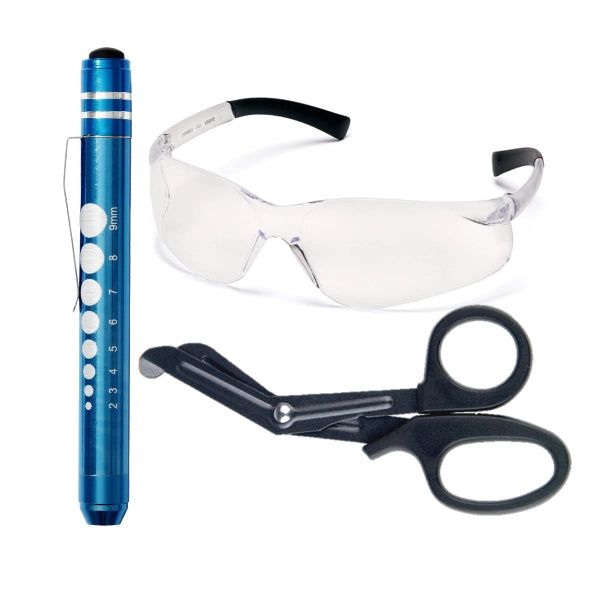
The Essentials ems kit stands as the foundational offering tailored exclusively for those stepping into EMS training.
It distills requirements into three streamlined components that prioritize portability and immediate functionality across classroom labs and field simulations.
Each element within the kit contributes to a cohesive starter experience that aligns with minimum program mandates.
Deconstructing these components reveals a deliberate emphasis on durability and everyday utility for the new learner.
Tactical Intervention: Titanium Shears and Patient Access
Titanium-coated stainless steel trauma shears within entry-level kits deliver precise cutting power essential for rapid clothing removal in emergency simulations.
Their corrosion-resistant edges maintain sharpness through repeated use in skills practice, allowing trainees to focus on assessment rather than equipment failure.
Effective patient access hinges on tools that perform reliably under time pressure and varied conditions.
The shears’ ergonomic design reduces hand fatigue, supporting sustained performance throughout extended training sessions.
Occupational Safety: Meeting ANSI Z87.1 Standards
Safety glasses certified to ANSI Z87.1 standards form a critical barrier against debris and impact hazards encountered in clinical practice.
Their impact-resistant construction ensures clear vision remains uncompromised even during dynamic skills demonstrations or simulated exposures.
Beyond mere compliance, these glasses integrate seamlessly into daily routines without adding bulk or discomfort.
Their lightweight frames promote consistent wear, reinforcing a culture of safety from the earliest training phases.
Advancing to Diagnostics: The Basic Vitals Kits
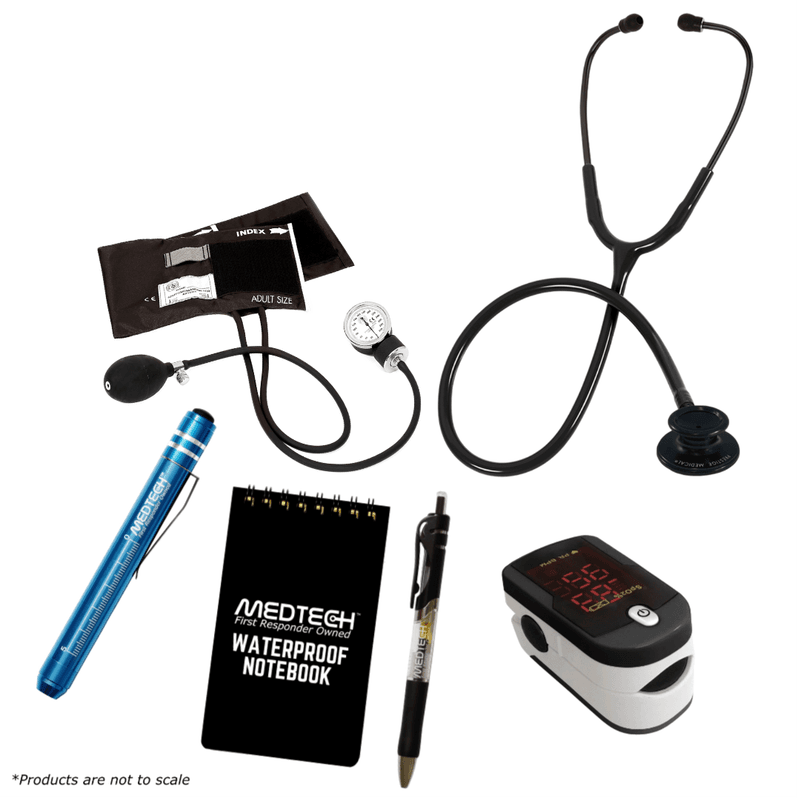
The basic vitals kit elevates training by bundling instruments dedicated to comprehensive patient assessment protocols.
It incorporates a clinical stethoscope, pulse oximeter, blood pressure cuff, waterproof notepad, and medical penlight to replicate full vital-signs evaluations in controlled settings.
Color customization options on key devices further personalize the learning experience while maintaining professional functionality.
The inclusion of a waterproof notepad ensures accurate documentation even in challenging environments, mirroring real operational demands.
Instrument Calibration and Accuracy in the Field
Stethoscope diaphragms and blood pressure cuffs in diagnostic kits require consistent technique to yield reliable readings that inform critical decisions.
Pulse oximeters calibrated for fingertip placement deliver swift oxygen saturation data, enabling trainees to correlate findings with auditory cues from the stethoscope.
The accompanying penlight supports pupil checks and site visibility, completing a calibrated suite for holistic evaluations.
Waterproof elements and durable construction preserve performance across diverse training conditions, from simulated ambulance interiors to outdoor exercises.
Educational Synergy: Beyond Hardware to Certification Readiness
These kits create synergy by aligning hardware with the broader curriculum goals of EMS programs nationwide.
Students leverage the combined essentials and vitals components to simulate complete patient encounters.
When paired with an ems field guide, these tools transform practice sessions into structured clinical rehearsals that mirror certification expectations.
Beyond physical items, the approach cultivates habits of organization and documentation that prove vital during certification examinations.
Conclusion: Choosing the Kit for Your Current Academic Phase
If you are just beginning your EMS program and need to meet baseline requirements for labs and simulations, the essentials kit provides exactly what you need without excess.
It supports compliance and foundational skill development. It is built for students who are focused on mastering core techniques and establishing confident habits from the start.
If your coursework has progressed into patient assessment and full scenario evaluations, the basic vitals kit becomes the more practical choice.
Its diagnostic tools allow you to practice complete assessments with accuracy and realism. Matching your tools to your phase of education ensures steady progress and focused preparation at every stage of your EMS journey.
Frequently Asked Questions
How to maximize the cutting efficiency of the titanium-coated trauma shears when simulating vehicle extrications?
Begin by holding the shears with the blunt tip pointed away from the patient and practice the inside-out cut along seams or zippers to slice through denim or seat belts. Maintaining consistent pressure while keeping the blades parallel to the surface prevents binding and lets the shears deliver clean and repeated cuts.
What field-calibration habits help maintain the pulse oximeter’s accuracy?
Allow the device to acclimate to the new temperature for two to three minutes before each use and wipe the sensor clean of moisture or debris to ensure consistent fingertip readings. Regular battery checks and avoiding nail polish or cold hands further stabilize saturation values across varying field conditions.
How does the medical penlight perform in dimly lit simulation rooms?
The aluminum IP67-rated penlight delivers bright, focused light beam that holds steady for accurate pupil exams and vein location without flickering or dimming mid-use. Unlike disposable lights that often fail after a few shifts, this model remains reliable through entire semesters of low-light simulations.
Are the stethoscope and blood pressure cuff compatible with pediatric training arms and mannequins?
The prestige medical stethoscope and standard adult cuff work seamlessly with most pediatric training arms and high-fidelity mannequins found in bridge programs.
Extended Learning Resources and Tools
1. The Role of Prestige and Dual Head Stethoscopes in EMS Practice
2. Never Lose Your Gear with the MedTech EMS Student Backpack
Appreciate the creator