Empowering Individuals and Societies Through Skill Development
Introduction
The empowerment of people and society through skill development has emerged as a crucial concern in a world that is constantly changing due to technology, innovation, and globalization. Human potential is built on skills, which promote social advancement, economic prosperity, and personal development. Investment in skill development is essential for raising living standards and guaranteeing sustainable development, whether in industrialized or developing countries. This blog addresses the different ways that skill empowerment can be promoted as well as the tremendous effects that skill development has on people and societies.
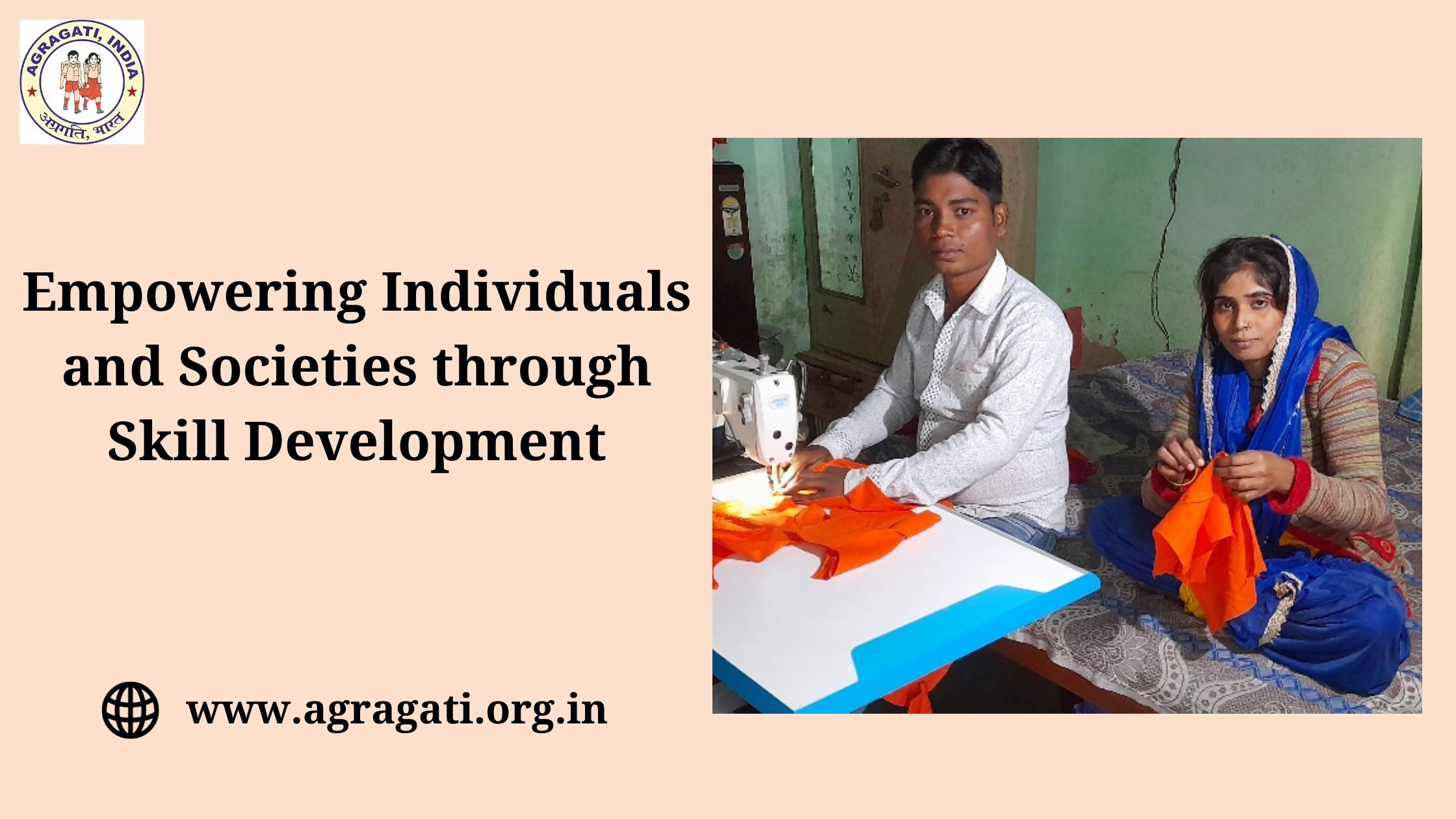
The Significance of Skill Development
Enhancing Employability: One of the most apparent and immediate advantages of skill development is the improvement in a person's employability. The need for specialized skills is continuously changing as technology continues to alter sectors and work requirements. The acquisition of skills gives people the abilities they need to find meaningful work and adjust to shifting market circumstances.
Economic Development: On a larger scale, skill development is essential for promoting economic expansion. An innovative, competitive, and more productive workforce are all benefits. People are more likely to be productive contributors to the economy and raise GDP and living standards when they have the skills required for their chosen occupations.
Reduction of Income Inequality: Skill development has the potential to address income inequality by providing individuals from disadvantaged backgrounds with the means to acquire marketable skills. As they gain access to better employment opportunities, their earning potential increases, gradually narrowing the income gap.
Fostering Innovation: A skilled workforce is more likely to innovate and contribute to technological advancements. These innovations, in turn, led to the growth of new industries and the creation of new jobs. Skill development fuels a cycle of progress, with innovation at its core.
Empowering Individuals through Skill Development
Lifelong Learning: Empowering individuals through skill development begins with promoting a culture of lifelong learning. Learning should not be limited to formal education; instead, it should be an ongoing process. Encouraging individuals to acquire new skills and update existing ones helps them stay relevant in a rapidly changing world.
Accessible Education and Training: Empowering people begins with accessibility. To make education and training possibilities widely accessible, governments, educational institutions, and organizations should collaborate. This includes apprenticeships, online education, career training programs, and inexpensive education.
Career Guidance: To assist people in making educated decisions about skill development, career guidance, and counseling services are crucial. These services can assist people in identifying their skills, passions, and professional objectives while pointing them in the direction of the best skill development avenues.
Recognition of Prior Learning: Recognizing and valuing prior learning experiences is crucial, as many individuals may have acquired valuable skills through informal means. Recognizing these skills can motivate individuals to further develop and apply them in formal employment.
Soft Skills Development: In addition to technical skills, soft skills such as communication, teamwork, and adaptability are essential for personal and professional success. Skill development programs should emphasize the importance of both technical and soft skills.
Empowering Societies through Skill Development
Investment in Education: Governments should prioritize education and allocate resources to improve the quality and accessibility of educational institutions. This includes building schools, hiring qualified teachers, and providing scholarships to disadvantaged students.
Partnerships with Industry: Collaboration between educational institutions and industries can bridge the gap between theory and practice. Industry partnerships can help develop a curriculum that aligns with the current needs of the job market, ensuring graduates are job-ready.
Entrepreneurship and Small Business Support: Skill development should extend to entrepreneurship and small business management. Encouraging the development of entrepreneurial skills can stimulate economic growth by fostering the creation of new businesses and job opportunities.
Adult Education Programs: Adult education programs should be readily available to help individuals who miss out on formal education or want to acquire new skills later in life. These programs can have a profound impact on individuals and society by improving literacy, numeracy, and vocational skills.
Gender Equality: Skill development programs should be designed to promote gender equality by ensuring that women have equal access to education and training opportunities. Gender-balanced skill development contributes to a more equitable and prosperous society.
Challenges and Future Directions
Resource Allocation: Allocating resources is one of the main difficulties in skill development. Initiatives for skill development must be supported by proper financing and infrastructure from governments, corporations, and educational institutions.
Relevance of Skills: It is essential to make sure that the skills being developed apply to the employment market. Rapid technological progress necessitates ongoing curriculum and training program modifications to meet industry needs.
Programs for skill development that are inclusive and target marginalized and vulnerable groups should be implemented. This includes those who are disabled, refugees, and residents of rural or distant places.
Global Perspective: As the globe becomes more connected, it is important to view skill development from a global perspective. International cooperation and skill recognition can increase worker diversity and global mobility.
Continuous Learning Culture: Fostering a culture of continuous learning is an ongoing challenge. Encouraging individuals and societies to embrace lifelong learning requires concerted efforts to change attitudes and mindsets.
Conclusion
In addition to being a matter of economic need, developing skills for people and societies is also a moral obligation. Skills serve as the cornerstone on which people build their lives and make positive contributions to society. To build an environment that promotes skill development, governments, educational institutions, businesses, and individuals themselves must cooperate. By doing this, we may realize human potential, lessen inequality, and build an inclusive and prosperous society for all. The road to a better present and a more optimistic future lies in skill development, which is more than just an investment in the future.
Appreciate the creator