Emotional Readiness Before ICSI: What Couples Should Know
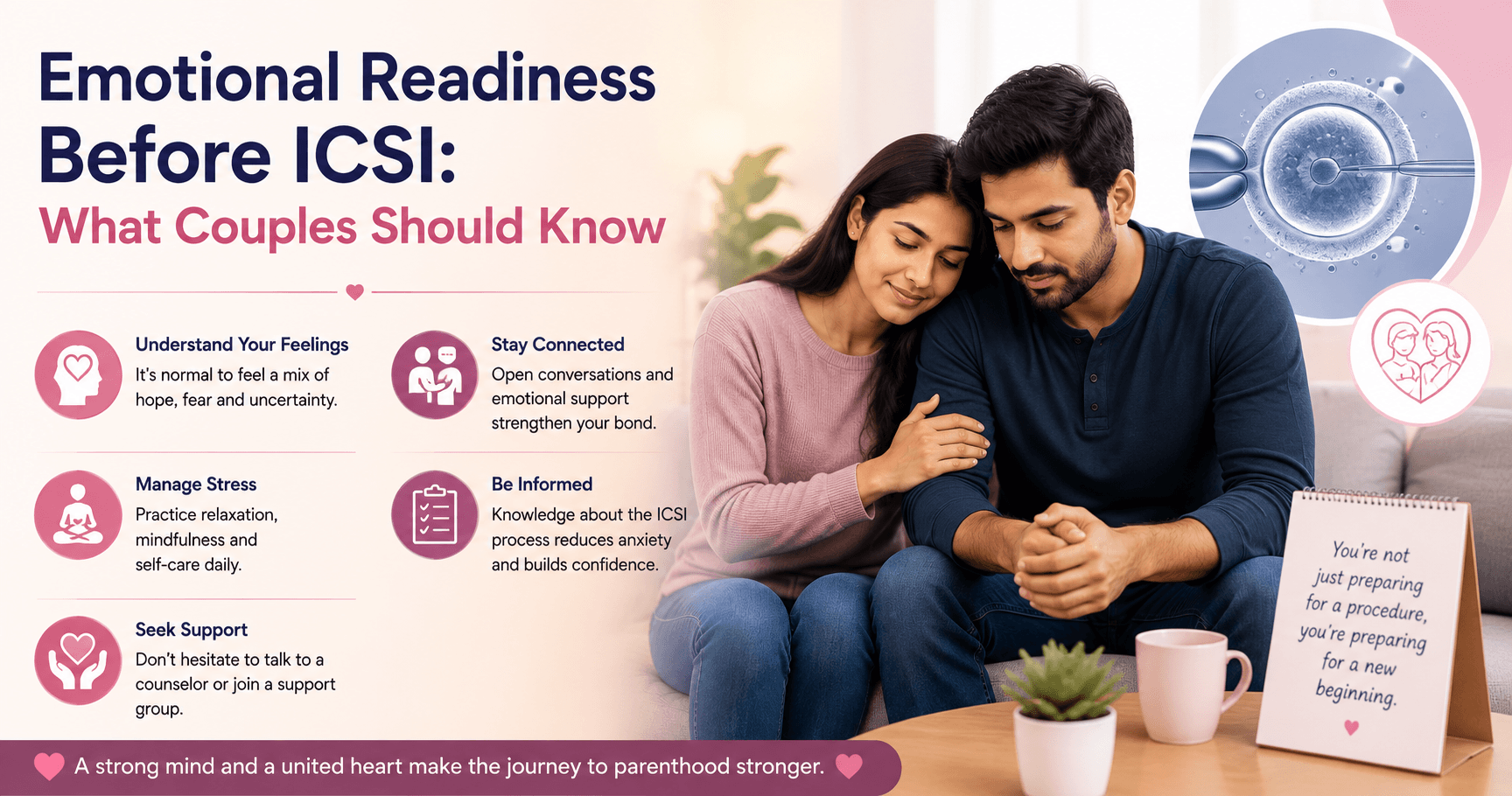
A couple sits in a waiting room, holding hands a little tighter than usual. The tests are done, the reports are ready, and the doctor is about to explain the next step. Most couples spend weeks preparing their bodies for ICSI. Very few prepare their minds the same way.
This is something ICSI doctors in Yamuna Vihar Delhi (https://www.drpoonamgoyal.in/ivf-center-yamuna-vihar-delhi) see often. Couples arrive physically ready but emotionally caught off guard by the ups and downs the process brings. Understanding this side of treatment can make the entire journey feel less overwhelming.
Why Emotional Readiness Gets Overlooked
Fertility treatment is usually explained through medical steps: injections, scans, egg collection, embryo transfer. The emotional part rarely gets the same attention, even though it shapes how couples experience each stage.
Stress does not stop treatment from working, but it can make the wait feel harder. Couples who understand what to expect emotionally tend to handle setbacks with more patience. This is one reason a clear, well-explained treatment plan matters as much as the procedure itself.
How the ICSI Journey Affects Couples Emotionally
Every stage of ICSI brings a different kind of pressure.
Before treatment: Anxiety about test results and decisions
During stimulation: Mood changes linked to hormone injections
After egg collection: Worry about how many eggs fertilised
During the two-week wait: Constant symptom checking and overthinking
After the result: Relief, disappointment, or a mix of both
None of these reactions are unusual. They are a normal response to a process that involves hope, uncertainty, and waiting.
Is Emotional Readiness As Important As Physical Readiness?
Yes, emotional readiness plays a real role in how couples cope with ICSI, even though it does not change the biological success of the procedure. A calmer mindset helps couples follow the treatment schedule, communicate better with doctors, and manage the waiting period without added distress.
Physical readiness prepares the body for the procedure. Emotional readiness prepares the mind for uncertainty. Both matter, but for different reasons. Doctors can control hormone doses and timing, but only the couple can manage how they respond to stress along the way.
Signs a Couple May Need Emotional Preparation
Feeling anxious weeks before appointments begin
Avoiding conversations about the treatment with each other
Constantly comparing their journey to others
Difficulty sleeping as test dates approach
One partner feeling isolated in decision-making
Recognising these signs early allows couples to address them before treatment starts, not during it.
How Couples Can Prepare Emotionally Before ICSI
Talk Openly About Expectations
Many couples enter treatment with different expectations about timelines or outcomes. A simple conversation before starting can prevent misunderstandings later.
Learn the Process in Advance
Understanding each step of ICSI treatment in Yamuna Vihar Delhi (https://www.drpoonamgoyal.in/ivf-center-yamuna-vihar-delhi) reduces fear of the unknown. Familiarity makes each appointment feel less intimidating.
Set Realistic Expectations
ICSI improves fertilisation chances in specific situations, but it does not guarantee pregnancy in every cycle. Knowing this in advance softens the emotional impact of setbacks.
Build a Support System
Whether it is each other, family, or a counsellor, having someone to talk to reduces the isolation many couples feel during treatment.
Take Breaks From Fertility-Related Content
Constantly reading forums or comparing symptoms can increase anxiety rather than reduce it. A short break can help the mind reset.
The Role of Counselling and Support Sessions
Many fertility centres now offer short sessions with a counsellor before starting ICSI. These sessions are not about diagnosing a problem. They focus on preparing couples for the emotional pattern of the treatment, from injections to the wait for results.
Couples who use these sessions often report feeling more in control, even when the outcome remains uncertain. Choosing the best ICSI doctor in Yamuna Vihar Delhi (https://www.drpoonamgoyal.in/ivf-center-yamuna-vihar-delhi) often means finding someone who explains both the medical and emotional side of the journey clearly.
What Happens During the ICSI Journey
The process usually includes:
Initial consultation and fertility evaluation
Ovarian stimulation with hormone injections
Egg collection under sedation
Sperm selection and injection into the egg
Embryo development and monitoring
Embryo transfer
A waiting period before the pregnancy test
Couples often find that understanding this sequence in advance, with guidance from ICSI doctors in Yamuna Vihar Delhi, reduces confusion once treatment begins.
Can Emotional Stress Affect Fertility Outcomes?
Research on this remains limited, and doctors avoid making direct claims here. Stress does not appear to single-handedly prevent conception, but high stress can affect sleep, appetite, and how well a person follows a treatment schedule, which indirectly matters during a demanding process like ICSI.
What Makes the Best ICSI Doctor in Yamuna Vihar Delhi?
A good ICSI specialist combines medical accuracy with clear, honest communication. Beyond technical skill, the best ICSI doctor in Yamuna Vihar Delhi will explain each step in simple language, set realistic expectations, and check in on how the couple is coping emotionally, not just physically.
Couples often notice this difference during the first consultation itself. A doctor who answers questions patiently and avoids rushing the conversation usually sets the tone for a calmer treatment experience overall.
Expert Perspective
Dr. Poonam Goyal often notes that couples who understand the emotional pattern of treatment tend to communicate more clearly with their medical team. She explains that preparing couples mentally, alongside physical evaluation, helps them stay engaged through each stage rather than feeling lost between appointments.
According to Dr. Poonam Goyal, addressing correctable physical and emotional factors together, before starting ICSI treatment in Yamuna Vihar Delhi, often leads to a smoother experience for both partners.
What Couples Can Do Before Starting Treatment
Book a joint consultation to discuss the full process
Ask questions about timelines and realistic expectations
Discuss financial and time commitments in advance
Identify a support person or counsellor if needed
Avoid making major life decisions during high-stress phases
Key Takeaways
Emotional readiness is a normal and necessary part of ICSI preparation
Every stage of treatment carries a different emotional weight
Open communication between partners reduces stress during treatment
Counselling sessions can help couples manage uncertainty
Understanding the process reduces fear of the unknown
Physical and emotional preparation work best together
FAQs
1. Why is emotional readiness important before ICSI? Emotional readiness helps couples manage the stress, uncertainty, and waiting periods that come with ICSI. While it does not change biological outcomes, it helps couples stay calm, communicate better, and follow the treatment plan more consistently throughout the process.
2. Does stress affect the success of ICSI treatment? Current evidence does not show that stress alone prevents ICSI from working. However, high stress can affect sleep and daily habits, which may indirectly influence how a person copes with the treatment schedule. Managing stress supports overall wellbeing during the process.
3. Should both partners attend counselling before ICSI? Yes, joint counselling helps both partners understand expectations, discuss concerns openly, and prepare for the emotional stages of treatment together. It also reduces the chance of one partner feeling isolated during decision-making or the waiting period.
4. How long does the ICSI process usually take? A single ICSI cycle typically takes around four to six weeks, from ovarian stimulation to the pregnancy test. This includes monitoring appointments, egg collection, embryo transfer, and a waiting period before results are confirmed.
5. How do I choose the best ICSI doctor in Yamuna Vihar Delhi? Look for a specialist who explains the process clearly, answers questions without rushing, and discusses both the physical and emotional sides of treatment. A good first consultation, where concerns are addressed openly, is often a strong sign of the right fit.
Appreciate the creator