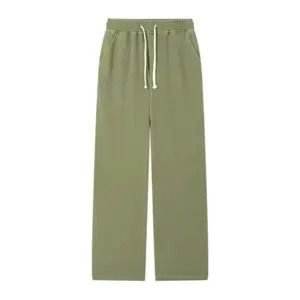
Elastic Waistbands & Rib Cuffs: Construction Guide for Joggers
Joggers have become one of the most popular garments in modern fashion. Once considered simple athletic wear, joggers are now a key element in both sports apparel and streetwear collections. Their comfort, versatility, and stylish appearance make them suitable for workouts, casual wear, and even travel.
Two essential elements that define the functionality and fit of joggers are elastic waistbands and rib cuffs. These components provide comfort, shape retention, and a clean silhouette. Proper construction techniques are critical to ensure durability, flexibility, and long-term performance.
Today, brands collaborate with sports garment manufacturers and experienced production partners to develop joggers that meet both performance and fashion standards. Understanding the construction of elastic waistbands and rib cuffs helps apparel designers, brands, and retailers produce high-quality joggers that meet consumer expectations.
The Role of Elastic Waistbands in Joggers
The elastic waistband is one of the most important structural features in joggers. It ensures that the garment fits securely around the waist while providing flexibility and comfort during movement.
Elastic waistbands allow joggers to adapt to different body shapes without the need for rigid closures like buttons or zippers. This makes them ideal for both athletic performance and everyday wear.
Many brands sourcing from joggers wholesale manufacturers focus on designing waistbands that combine stretch, durability, and comfort. A well-constructed waistband maintains its elasticity even after repeated washing and prolonged use.
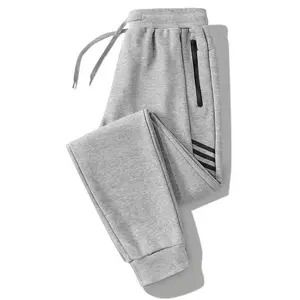
In modern jogger designs, elastic waistbands are often paired with drawstrings, allowing wearers to adjust the fit according to personal preference.
Types of Elastic Used in Jogger Waistbands
Elastic materials vary depending on the type of joggers being produced. The choice of elastic affects stretch performance, recovery, and durability.
Knitted elastic is commonly used because it is soft and flexible, making it comfortable against the skin. Woven elastic is stronger and more durable, which makes it suitable for athletic joggers designed for intense movement.
Another popular option is braided elastic, which offers moderate stretch and works well for casual joggers.
Manufacturers working with active wear vendors often select elastic types based on the intended purpose of the joggers. Performance joggers require strong recovery and durability, while lifestyle joggers prioritize softness and comfort.
Choosing the right elastic ensures that the waistband remains supportive without feeling restrictive.
Waistband Construction Techniques
Constructing an elastic waistband involves several important steps that determine the overall quality of the joggers.
The process usually begins by cutting the waistband fabric panel slightly wider than the elastic band. The elastic is then inserted into the waistband channel and secured using reinforced stitching.
Some manufacturers stitch the elastic directly onto the fabric to prevent twisting or movement during wear. This method improves durability and maintains the waistband’s structure.
High-quality production facilities, including those operated by a wholesale clothing exporter in pakistan, often use industrial sewing machines designed specifically for stretch fabrics. These machines ensure consistent stitching that maintains elasticity while preventing seam breakage.
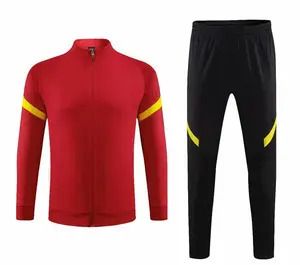
Another popular method is the enclosed waistband technique, where the elastic is fully hidden inside the fabric casing. This design provides a cleaner appearance and additional comfort.
Importance of Rib Cuffs in Joggers
Rib cuffs are the fitted bands located at the bottom of jogger legs. They help create the tapered silhouette that defines modern joggers.
These cuffs serve both functional and aesthetic purposes. Functionally, they keep the pant legs in place during movement, which is especially useful during workouts or athletic activities.
Aesthetically, rib cuffs give joggers a sleek and structured look that complements sneakers and streetwear outfits.
Many fashion brands collaborate with a streetwear manufacturer Pakistan to develop joggers that combine stylish rib cuffs with modern streetwear designs.
Rib cuffs also improve insulation by keeping warmth inside the garment, making them particularly useful for cooler weather.
Rib Knit Fabric Selection
The quality of rib cuffs largely depends on the rib knit fabric used during manufacturing. Rib knit fabric is designed with vertical ridges that allow it to stretch and recover easily.
Most rib cuffs are made using cotton-spandex or polyester-spandex blends. These materials provide the elasticity needed for a snug fit while maintaining comfort.
The rib fabric must have strong recovery properties to prevent the cuffs from becoming loose over time.
Production teams working with sports garment manufacturers carefully test rib fabrics to ensure they maintain shape after repeated stretching.
High-quality rib cuffs contribute significantly to the durability and professional appearance of joggers.
Rib Cuff Construction Process
Attaching rib cuffs to joggers requires precision and careful stitching. The rib fabric is first cut slightly smaller than the leg opening to create a snug fit.
The fabric is then folded and sewn into a circular cuff before being attached to the bottom of the jogger leg.
Industrial overlock machines are commonly used to attach rib cuffs because they provide strong seams that stretch with the fabric.
Manufacturers also reinforce cuff seams to ensure they withstand repeated movement and washing.
Companies working with joggers wholesale manufacturers often emphasize high-quality cuff construction to ensure the joggers maintain their shape over time.
Proper alignment during the sewing process is essential to prevent twisting or uneven cuffs.
Combining Waistbands and Rib Cuffs for Performance
Elastic waistbands and rib cuffs work together to create the signature fit of joggers. The waistband ensures comfort and adjustability, while the cuffs maintain the tapered silhouette.
This combination makes joggers suitable for both athletic performance and casual wear.
When designing joggers, apparel brands often consider factors such as fabric weight, elasticity, and intended use. Performance joggers may include moisture-wicking fabrics and reinforced seams, while lifestyle joggers focus more on comfort and aesthetics.
Suppliers such as active wear vendors help brands develop joggers that meet both functional and fashion demands.
The balance between flexibility and structure is what makes joggers one of the most versatile garments in modern apparel.
Quality Control in Jogger Manufacturing
Ensuring the durability of elastic waistbands and rib cuffs requires strict quality control throughout the production process.
Manufacturers test elastic materials for stretch recovery, durability, and resistance to deformation. Rib cuffs are also tested to ensure they maintain their elasticity after multiple washes.
Factories operated by a wholesale clothing exporter in Pakistan often implement detailed inspection processes during production to maintain international quality standards.
These quality checks ensure that joggers maintain their shape, comfort, and performance over time.
Reliable construction not only improves product longevity but also strengthens brand reputation in competitive apparel markets.
Modern Design Trends in Joggers
Joggers continue to evolve as fashion trends change. Today’s joggers are available in a wide range of styles, including athletic joggers, cargo joggers, tech fleece joggers, and streetwear-inspired designs.
Many brands partner with a streetwear manufacturer pakistan to produce joggers that blend sportswear functionality with urban fashion aesthetics.
Modern joggers often include additional features such as zip pockets, reflective trims, and performance fabrics.
Despite these innovations, elastic waistbands and rib cuffs remain essential structural components that define the overall design of joggers.
These classic features continue to shape the functionality and comfort that consumers expect from this popular garment.
The Future of Jogger Construction
The future of jogger manufacturing will likely involve more advanced materials and sustainable production methods. Brands are increasingly exploring eco-friendly fabrics and recycled fibers to reduce environmental impact.
Manufacturers collaborating with sports garment manufacturers are also developing new elastic technologies that provide greater stretch, durability, and comfort.
Smart textiles and moisture-regulating fabrics may also become more common in jogger designs.
As active lifestyles continue to grow in popularity, the demand for high-quality joggers will remain strong.
Innovations in waistband and cuff construction will continue to play an important role in shaping the next generation of activewear and streetwear apparel.
Appreciate the creator