Early Disease Detection through Computer Vision
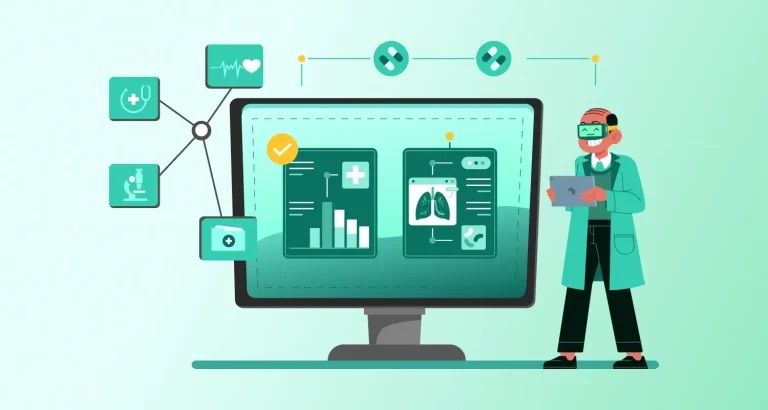
In the evolving landscape of modern healthcare, computer vision in healthcare is becoming a game-changer — especially when it comes to early disease detection. By analyzing medical images with precision, AI-driven computer vision systems are identifying conditions at their earliest stages, empowering clinicians to act quickly and more effectively.
This shift from reactive to preventive medicine is not only improving patient outcomes but also reshaping the cost and efficiency structure of healthcare systems worldwide.
Why Early Diagnosis Matters
Early detection is critical in managing many diseases. Catching conditions like cancer or diabetic complications in their initial phases can significantly improve the success rate of treatment, minimize long-term damage, and increase patient survival rates.
By incorporating AI into diagnostic tools, healthcare providers can uncover subtle visual markers that may be missed by the human eye — especially in high-volume imaging environments.
AI's Capability in Detecting Early Signs
Computer vision technology is already proving its effectiveness in identifying:
Diabetic Retinopathy: Detects tiny changes in retinal images before vision loss occurs.
Skin Cancers: Recognizes abnormal moles or lesions through image-based analysis.
Breast Cancer: Flags early-stage tumors in mammograms for further evaluation.
These systems learn from large datasets of labeled images, constantly improving their ability to recognize patterns linked to early disease indicators.
Reducing Treatment Complications and Costs
The economic impact of late diagnosis is profound. When diseases progress unnoticed, they often require intensive, costly treatments. Early detection helps minimize:
Hospital readmissions
Invasive procedures
Long-term care costs
Patient distress and health risks
Key benefits of early AI-powered diagnosis:
Quicker treatment initiation
Better long-term health outcomes
Decreased healthcare spending
Enhanced screening programs at scale
Build the Future of Preventive Healthcare
With AI and computer vision, healthcare systems can transition from a reactive model to a proactive, patient-centered approach. Early diagnosis not only saves lives but also builds efficiency and trust in care delivery.
To make this shift, many institutions are investing in tailored healthcare software development services that integrate intelligent diagnostic solutions. As these technologies become standard, the future of healthcare will be faster, smarter, and more preventative than ever before.
Appreciate the creator