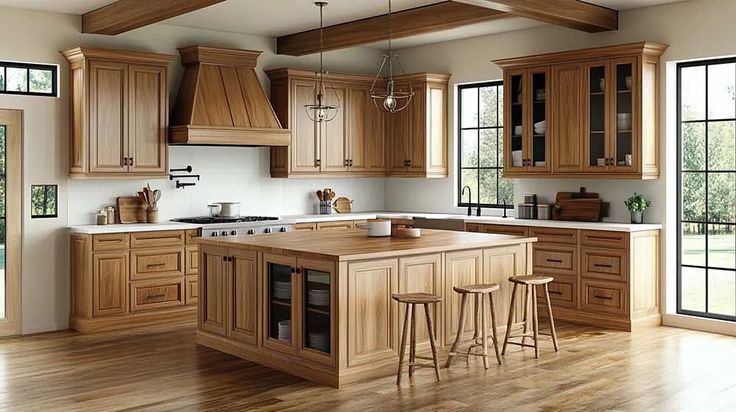
Durable Wood Options for Long Lasting Kitchen Interiors
Introduction
When you think about your kitchen you probably imagine cabinets that stay strong for years and surfaces that do not give up after a few spills. Kitchens work hard every single day. They handle heat steam sharp tools and constant movement. That is why choosing durable wood is not just about style. It is about long term comfort and smart investment.
Seasonal changes and shifting humidity can affect wood movement over time. The right material makes all the difference. This guide walks you through practical wood options that actually last and still look beautiful year after year.
What Makes Wood Durable for Kitchen Interiors
Not all wood is created equal. Some types dent easily while others stay firm even after years of daily use. The first thing to look at is hardness. Dense woods resist scratches and surface damage much better than softer species.
Moisture resistance is another big deal. Kitchens produce steam and accidental spills happen often. Stable wood will not warp or twist when exposed to changing humidity. This becomes especially important in regions where weather shifts throughout the year.
Grain pattern also plays a quiet but important role. Tight grain wood tends to be stronger and more consistent. It also finishes better and holds stains evenly. Durability is really a mix of structure stability and proper finishing.
Solid Hardwood Options for Long Lasting Kitchens
Solid hardwood has been trusted for generations. It offers natural strength and timeless character. Let us look at a few reliable choices.
Oak
Oak is tough and dependable. It handles impact well and stands up to heavy traffic. The grain is visible which gives it a classic look. Many homeowners choose oak for cabinets and even flooring because it balances durability and price.
Maple
Maple has a smooth clean appearance. It is dense and resistant to wear which makes it ideal for cabinet doors and drawer fronts. It works especially well in modern kitchens that need a simple polished finish.
Hickory
Hickory is one of the hardest domestic woods available. It is built for busy households. If your kitchen sees constant action hickory can handle it without losing its structure. The grain variation also adds personality.
Cherry
Cherry offers strength with elegance. Over time it deepens in color which gives the kitchen warmth. While it is slightly softer than hickory it still performs well when properly sealed and maintained.
Walnut
Walnut feels rich and refined. It may not be the hardest option but it holds up well in controlled kitchen environments. Many designers love it for its deep tone and smooth grain.
Engineered Wood Options That Improve Stability
Engineered wood is often misunderstood. It is not weaker by default. In fact it can offer better stability in certain climates.
Plywood
High quality plywood is layered for strength. The cross layered construction reduces expansion and contraction. That makes it a solid choice for cabinet boxes in areas where seasonal changes affect wood movement.
High Quality MDF with Veneer
MDF provides a smooth surface. When paired with a hardwood veneer it can look almost identical to solid wood. It is often used for painted cabinet doors because it resists cracking in the finish.
HDF
HDF is denser than MDF. It works well for cabinet panels and detailed door designs. The higher density adds strength while maintaining a consistent surface.
Hardwood vs Engineered Wood
Both options have their place. Hardwood brings natural beauty and traditional strength. Engineered wood often wins in terms of stability and cost control.
Hardwood performs well in visible areas like doors and trim. Engineered wood shines in structural parts like cabinet boxes. Many modern kitchens combine both to create a balanced result.
Solid wood for visible charm and engineered cores for stability can reduce long term issues. This balanced approach often provides the best results.
Best Wood Choices for Kitchen Cabinets
Cabinets take daily wear. Doors open and close constantly. Shelves carry heavy dishes. Frames support weight year after year.
Oak maple and hickory are strong picks for cabinet doors. Plywood is often used for the internal box structure. This combination keeps cabinets solid without unnecessary cost.
Pay attention to joinery and finishing as well. Even the strongest wood fails if it is poorly assembled. Quality craftsmanship always matters.
Best Wood Choices for Kitchen Flooring
Kitchen floors deal with foot traffic spills and dropped utensils. Harder woods like hickory and oak are better suited for flooring. They resist dents better than softer varieties.
A protective finish adds another layer of defense. Proper sealing keeps moisture from soaking in. Durable finishes are especially important in homes where kitchens experience heavy daily use.
How to Choose the Right Durable Wood for Your Kitchen
Start with your lifestyle. Do you cook daily or only occasionally. Busy families need stronger surfaces. Light use kitchens have more flexibility.
Next consider climate. Wood reacts to environment. Homes benefit from stable species or engineered cores that manage expansion and contraction.
Budget also matters. Some hardwoods cost more but last longer. Sometimes mixing materials gives you durability without stretching finances too far.
Design preference plays a role too. Grain pattern color and texture influence the overall mood of the kitchen. Durability should support style not fight against it.
Maintenance Tips to Extend Wood Lifespan
Even the toughest wood needs care. Wipe spills quickly. Avoid harsh chemical cleaners. Gentle products preserve the finish and keep surfaces healthy.
Refinishing can refresh worn areas. Small scratches are normal over time. Light sanding and resealing restore appearance without replacing materials.
Humidity control helps more than most people realize. Balanced indoor air keeps wood from swelling or shrinking too much. Simple habits can extend the life of your kitchen for many years.
Common Mistakes to Avoid
One common mistake is choosing softwood for high impact zones. Pine may look nice but it dents easily.
Another issue is ignoring sealing. Unsealed wood absorbs moisture and stains quickly. That shortens its lifespan dramatically.
Some homeowners focus only on color and forget performance. A beautiful kitchen should also handle daily life without constant repair.
Conclusion
Durable wood options for long lasting kitchen interiors are not hard to find when you know what to look for. Strength stability and smart installation matter more than trends.
Whether you are upgrading an older home or building a new space from scratch the right wood choice supports your kitchen for decades. Invest in quality. Choose materials that match your lifestyle. Your future self will appreciate the decision every single day.
Appreciate the creator