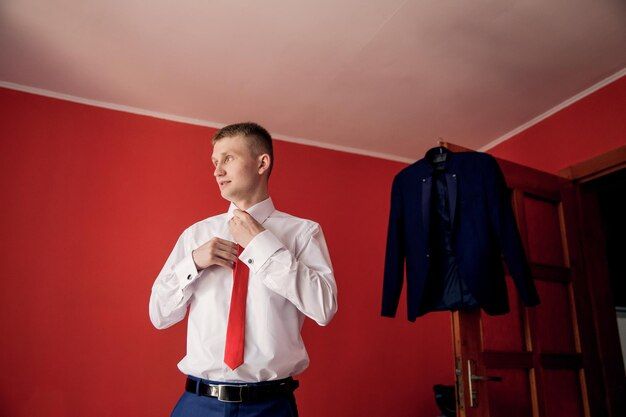
Dress for Success: What Your Formal Style Says About You
Formalwear is often treated like a uniform, necessary, predictable, and occasionally restrictive. But in reality, the choices you make in a polished setting communicate far more than “I followed the dress code.” They hint at how you think, how you plan, how you handle pressure, and what you value when eyes are on you. Even subtle decisions, such as lapel width, fabric finish, shoe shape, and sleeve length, become a quiet language that others interpret in seconds. The goal isn’t to perform a personality; it’s to align your appearance with the message you want to send when it matters.

The silent first impression people register
Before anyone hears your opinion in a meeting, they’ve already formed a snapshot of your reliability, attention to detail, and sense of judgment. Crisp lines can imply structure and preparedness, while slouching silhouettes may read as casual or indifferent even when that’s not your intent. Clean tailoring suggests you anticipate expectations; neat grooming signals respect for shared space. These are not moral judgments, but social shortcuts rooted in formal style fundamentals that people use to decide whether to trust your competence quickly. When you dress with intention, you remove doubt and make it easier for others to focus on what you say.
The message behind fit and structure
Fit is the backbone of formal style because it frames your posture and movement. A jacket that sits correctly at the shoulders can make you appear grounded and confident; trousers that break well at the shoe can read as precise and composed. In this context, sourcing from a top-rated collection can help because consistent sizing, better construction, and balanced proportions reduce the “almost right” look that distracts from your presence. Structure also influences how you’re perceived emotionally: sharper lines often read as decisive, while softer drape can feel approachable and collaborative.
Color choices and the personality they imply
Color is one of the fastest signals in a professional environment. Deep navy tends to suggest calm authority; charcoal often communicates seriousness and restraint; brighter hues can read as creative or bold, depending on how they’re used. High contrast like stark black and white can feel commanding, while tonal combinations can feel modern and thoughtful. The key is consistency: when your colors harmonize, you look intentional rather than experimental. If you want to be seen as steady, anchor the outfit with classic shades; if you want to stand out without seeming loud, introduce muted color through a tie, blouse, or pocket square.
Fabric and texture as cues of refinement
Texture is the detail people notice without realizing they noticed. A matte wool reads differently from a shiny blend; a dense cotton differs from a thin, wrinkling weave. Subtle texture can imply depth and sophistication, while overly glossy fabric may be perceived as trying too hard or feeling less authentic. Seasonality also matters: heavier cloth signals practicality in colder months; breathable weaves suggest adaptability and comfort in warm settings. If you want to project calm confidence, choose fabrics that hold their shape and resist creasing because unplanned wrinkles often communicate disorganization even when you’re extremely capable.
The role of trousers in professional authority
Trousers affect your silhouette more than most people think, because they control the line from waist to shoe. A clean front, a stable waistband, and the right rise can make you look taller, more balanced, and more in control of your presentation. For a practical foundation, essential office trousers are the kind of staple that quietly supports almost every formal combination blazers, knits, crisp shirts without drawing attention to themselves. When trousers fit well, they also change how you move: you stand straighter, you sit more comfortably, and your body language becomes more open and assured.
Shirts, collars, and what they reveal about mindset
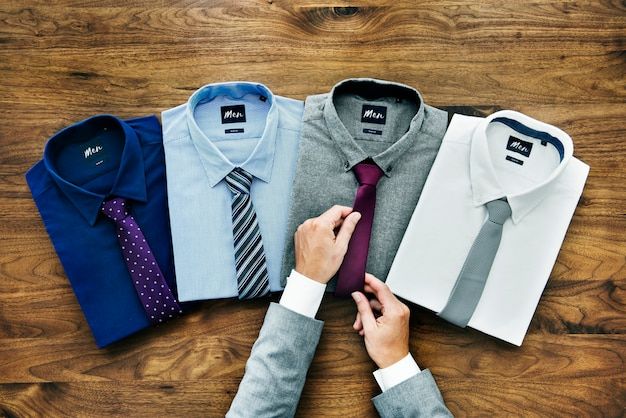
Your shirt is where personality often shows up within formal limits. A spread collar can look assertive and boardroom-ready, while a softer collar can feel more relational. A pristine white shirt reads as classic and disciplined; a light stripe or subtle pattern can read as confident and contemporary. Details like cuff style, placket visibility, and button color create micro-signals of taste. People who prioritize a clean collar, smooth fabric, and tidy seams often appear meticulous and prepared. If you want to come across as strategic, keep the shirt simple and invest energy in a perfect fit at the neck and shoulders.
Accessories as quiet evidence of taste
Accessories are not decoration in formal style; they’re proof of judgment. A belt that matches the shoe leather, a watch that doesn’t dominate the wrist, or a tie knot sized to your collar all imply you understand proportion and context. Minimalism often reads as confident because it suggests you don’t need extra noise to be noticed. On the other hand, one deliberate statement, an elegant pin, a textured tie, a structured bag, can signal leadership presence when used with restraint. If you’re aiming for credibility, let accessories support your outfit rather than compete with it.
Shoes and grooming: the overlooked credibility builders
Shoes are an honesty test: they reveal whether you finish what you start. Polished leather, intact soles, and clean edges suggest reliability and care. Scuffed shoes or worn-down heels can undermine an otherwise sharp outfit because they imply rushed habits. Grooming works similarly: neat hair, clean nails, and thoughtful fragrance choices read as social awareness. If you want to be perceived as someone who handles responsibilities well, keep these elements consistent. When the basics are handled, your colleagues and clients are more likely to assume your work is handled, too.
Building a signature look without looking repetitive
A signature style isn’t about wearing the same outfit; it’s about repeating a consistent point of view. You can create that through a stable color palette, a preferred fit (slim, straight, or relaxed-tailored), and a reliable set of combinations that always look “finished.” Many professionals rotate a few dependable outfits and vary details: a different tie texture, a new blouse tone, or a seasonal fabric. Shopping from a top-rated collection can also help maintain consistency because the cuts and materials often align across pieces, making it easier to mix and match without mismatched undertones or awkward proportions.
Conclusion: Letting your clothing support your goals
The strongest formal style doesn’t shout; it supports. It helps others trust you faster, helps you feel prepared, and keeps attention where it belongs, on your ideas and decisions. When you refine fit, choose thoughtful colors, select quality fabrics, and maintain the small details, you build a presence that feels steady and believable. Treat your formal wardrobe as a tool: not a costume, but a quiet system that reinforces who you are and
Appreciate the creator