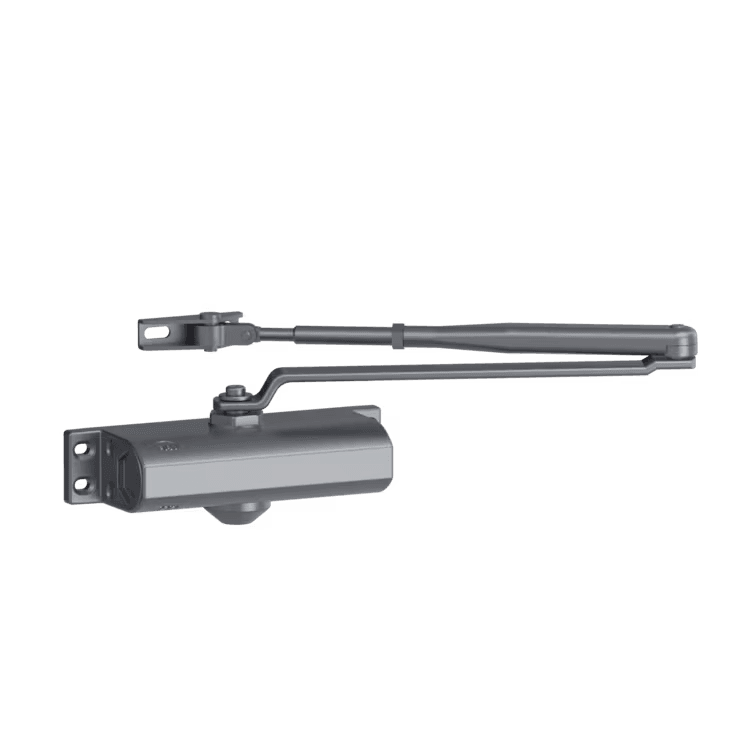
Door Closer Solutions: The Ultimate Guide to Institutional Access Control
Door Closer Solutions: The Ultimate Guide to Institutional Access Control
Modern commercial, institutional, and high-end residential architectures require flawless hardware execution. Ensuring physical security, maintaining precise thermal boundaries, and guaranteeing acoustic isolation depend on a fundamental component: the door control mechanism. Selecting the premium overhead mechanical hardware to control these openings involves critical considerations regarding architectural alignment, mechanical engineering excellence, functional longevity, and international life safety standards.
Choosing high-quality architectural hardware is not just a cosmetic or basic operational requirement. It represents a long-term investment in structural sustainability, facility risk mitigation, and compliance with building codes. Whether looking at busy retail storefronts or quiet healthcare facilities, the right door control technology plays a vital role. It keeps doors operating reliably and safely under heavy daily use.
Door Closer Technology and Architectural Fundamentals
A high-performance door control system is an engineered mechanical device designed to regulate the closing speed, latching force, and overall movement of an interior or exterior door leaf. At its core, a premium overhead door closer stores the kinetic energy generated during the manual opening cycle within a high-tensile steel spring assembly. As the user releases the door leaf, this stored mechanical energy is released in a controlled manner. This process relies on a sophisticated internal hydraulic fluid circuit to guide the door back to its fully closed and latched position safely.
The precise control of this hydraulic release is managed through a series of independent internal regulating valves. These valves allow facility managers and hardware technicians to customize the performance profile of the door control unit. By adjusting these valves, users can balance resistance and closing force to fit the specific traffic patterns and environmental conditions of any commercial space.
Modern architectural design demands that these hydraulic systems work smoothly across various environmental conditions. Fluctuating seasonal temperatures can change fluid viscosity and impact performance. Premium engineering solves this by using all-weather, temperature-compensating hydraulic fluid. This fluid ensures stable operational timing from deep winter conditions to high summer heat without constant manual adjustment.
Beyond simple closing function, these mechanical systems protect the door assembly, hinges, and surrounding frame from damage caused by heavy wind gusts or abusive opening forces. By integrating backcheck control functionality, the hardware creates a hydraulic cushioning effect when the door opens past a specific angle. This safety feature dampens sudden acceleration, protecting both the physical facility assets and pedestrians walking through high-traffic pathways.
Implementing reliable hardware from a trusted brand like door closer guarantees that your building remains secure, energy-efficient, and fully accessible to all individuals. This hardware provides necessary control while keeping required opening forces low, ensuring compliance with strict international accessibility guidelines.
Advanced Hydraulic Mechanics and Engineering Excellence
The internal engineering of a premium door closer features a highly calibrated combination of mechanical gears and fluid dynamics. Most heavy-duty commercial units utilize a precise rack-and-pinion design. When a person pushes or pulls the door, the rotary motion of the door arm translates into linear motion. This movement drives an internal piston across a heavy-duty cast iron or aluminum housing body.
This movement forces hydraulic oil through precisely machined internal channels regulated by adjustable needle valves. The configuration of these valves dictates the specific behavior of the door leaf through three distinct operational zones:
The Closing Speed Range: Controls the door movement from the wide-open position down to the last 10 to 15 degrees of the cycle.
The Latching Speed Range: Governs the final fraction of the arc, providing the necessary mechanical momentum to overcome the latch bolt resistance and seal the door firmly within the frame.
The Backcheck Range: Provides protective resistance during the opening cycle, preventing the door from violently slamming against adjacent walls.
+-------------------------------------------------------------------------+
|                          TOTAL CLOSING ARC                              |
+-------------------------------------------------------------------------+
 \                                      \                                \
  \  180° to 15°: Closing Speed Range    \ 15° to 0°: Latching Range      \ 0°
   \______________________________________\________________________________\
Proper calibration of these three distinct operational zones is essential for maintaining the overall balance of a building's pressure system. In large facilities with active HVAC systems, interior air pressure can fluctuate significantly. These changes create air pockets that can either cause doors to slam shut or prevent them from closing completely.
With independently adjustable closing and latching valves, facility engineers can fine-tune the hardware's operation. This calibration ensures the door successfully latches against negative stack pressures without exceeding accessible opening force limits.
Furthermore, premium mechanical architectural hardware must be built to withstand millions of continuous operating cycles. The internal springs are manufactured from high-grade silicon chrome steel wire, subjected to advanced heat-treatment processes to prevent mechanical fatigue over decades of use. The internal seals and o-rings are constructed from advanced fluorocarbon compounds. These materials resist degradation from friction, pressure, and chemical exposure, ensuring leak-free performance and maintaining precise pressure control.
Technical Specifications and International Certification Standards
When selecting hardware for commercial and institutional environments, compliance with international performance standards is essential. Architectural hardware must meet strict testing protocols to guarantee safety, reliability, and fire protection. The primary global benchmarks for these products are the European EN standards and American ANSI/BHMA standards.
European Standard EN 1154 Explained
The EN 1154 standard classifies door control mechanisms through a detailed six-digit coding system. This framework evaluates parameters such as durability, fire behavior, and corrosion resistance. The most critical metric within this standard is the power size rating, ranging from EN 1 to EN 7.
+-------------------+---------------------+-----------------------+
| EN 1154 Power Size| Max Door Leaf Width | Max Door Leaf Mass    |
+-------------------+---------------------+-----------------------+
| EN 1              | Less than 750 mm    | Up to 20 kg           |
| EN 2              | 850 mm              | 40 kg                 |
| EN 3              | 950 mm              | 60 kg                 |
| EN 4              | 1100 mm             | 80 kg                 |
| EN 5              | 1250 mm             | 100 kg                |
| EN 6              | 1400 mm             | 120 kg                |
| EN 7              | 1600 mm             | 160 kg                |
+-------------------+---------------------+-----------------------+
ANSI/BHMA A156.4 Standards
In American architectural specifications, ANSI/BHMA A156.4 governs standard surface-applied and concealed door closing devices. Grade 1 certification represents the highest level of performance, requiring the hardware design to successfully complete a minimum of 2,000,000 independent closing cycles without losing functional efficiency.
Fire Rating and Compliance
A certified door closer is a critical component of any fire-rated opening assembly. In the event of a structural fire, a door must close and latch securely to prevent the spread of smoke, toxic gases, and flames.
Hardware intended for fire doors must undergo rigorous testing, such as EN 1634-1 or UL 10C protocols. These tests subject the entire door assembly to intense heat inside a furnace for up to three hours. Certified hardware must not incorporate any hold-open features unless connected to an approved electronic fire alarm release system.
Structural Applications and Architectural Layout Environments
The mechanical versatility of premium overhead door hardware allows it to be installed across a wide range of building environments, each presenting unique operational challenges.
Commercial Office Infrastructure
In high-density office towers, interior doors require subtle, reliable control that complements corporate interior designs. Slide arm configurations are often chosen for these settings because they offer a clean profile without projecting arms. The hardware provides smooth, quiet operation that helps maintain professional, productive workspace environments.
Industrial Logistics Centers
Industrial facilities present harsh environments with heavy doors, high winds, and frequent impacts from material handling equipment. Heavy-duty cast iron surface closers are ideal for these locations. They provide the rugged strength needed to control oversized exterior doors while protecting against dust, moisture, and physical wear.
Educational and Healthcare Facilities
Schools and hospitals require highly durable hardware that ensures ease of access for all individuals. These settings use adjustable spring-power models calibrated to lower opening resistance while providing dependable closing and positive latching. This setup maintains important acoustic boundaries and fire containment zones across the facility.
High-Traffic Commercial Retail Entrances
Exterior Aluminum Storefront Entryways
High-traffic commercial retail entrances experience some of the highest physical wear of any architectural opening. Retail storefront doors face continuous operation from customers, along with external environmental pressures like strong wind gusts and temperature swings.
For these high-use entrances, heavy-duty surface-mounted or concealed overhead mechanisms are required. The hardware must be adjusted to provide strong backcheck protection, preventing the door from swinging open too quickly and causing personal injury or structural damage.
Maintaining Indoor Climate Control
Retail entries require careful calibration to manage energy efficiency and indoor climate control. When a customer passes through the entrance, the door must close promptly to prevent conditioned air from escaping, helping to manage utility costs.
Using a premium model from Yale ensures that the door returns to its closed position smoothly and consistently, preventing costly energy loss without creating a barrier for shoppers.
Maximizing Thermal Efficiency
Reduces HVAC energy loss by keeping the entrance closed when not in use.
Prevents external draft penetration in cold weather.
Minimizes dust, debris, and insect entry into retail spaces.
Ensuring Customer Safety
Controls the door closing speed to prevent accidental pinching or striking injuries.
Compensates for sudden wind pressure changes to ensure predictable door movement.
Reduces mechanical wear on hinges, locks, and frames over long periods.
Healthcare and Corporate Facility Corridors
High-Volume Corridor Partitioning
Healthcare facilities and corporate campuses rely on extensive corridor networks to organize departments, manage foot traffic, and establish clear fire zones. Doors along these corridors must remain functional at all times to handle continuous pedestrian and equipment traffic while remaining ready to close instantly during an emergency.
To meet these demands, facilities install electromagnetic hold-open door closers integrated with the central fire alarm system. These specialized devices allow high-volume corridor doors to remain held open for daily convenience, improving traffic flow and visibility.
Automated Fire Zone Containment
When the central fire alarm system is triggered, the internal electromagnet de-energizes instantly. This releases the mechanical hold-open mechanism and allows the hydraulic unit to close the door leaf firmly into its frame.
This automatic closure isolates smoke and fire, protecting occupants and safeguarding building assets during an emergency.
Acoustic Isolation Control
Maintains quiet, private environments within patient rooms and confidential meeting areas.
Prevents heavy doors from slamming shut, reducing noise across the facility.
Dampens ambient sound transmission across busy corridors.
ADA Accessibility Alignment
Reduces initial opening resistance, allowing easy passage for individuals with limited physical strength.
Extends the closing time through delayed action adjustments, allowing safe passage for medical equipment.
Meets strict international accessibility guidelines for public spaces.
Educational Institution Classrooms and Lecture Halls
Daily Academic Traffic Management
Educational environments subject architectural hardware to heavy, continuous use and potential physical abuse. Classroom doors must withstand rapid, high-volume traffic between class periods, followed by long hours of remaining securely closed during lectures.
Hardware selected for these settings must feature heavy-duty cast iron bodies and solid steel arms to resist tampering and vandalism.
Enhancing Security and Focus
The primary function of a classroom door control mechanism is maintaining a secure learning environment. It ensures that whenever a student or instructor enters or exits, the door returns to a securely closed position, preventing unauthorized access.
Additionally, smooth, controlled closing action eliminates disruptive noise, helping students maintain focus during instructional periods.
Tamper-Proof Engineering
Features concealed regulating valves to prevent unauthorized adjustments or vandalism.
Utilizes heavy-duty, impact-resistant metal covers to protect internal hydraulic components.
Includes reinforced arm assemblies designed to resist bending or detachment under pressure.
Long-Term Durability Performance
Engineered to successfully complete millions of operational cycles over decades of service.
Reduces maintenance needs and replacement costs for school districts.
Maintains consistent closing performance across changing seasonal indoor temperatures.
High-Security Exterior Institutional Openings
Perimeter Access Point Protection
The exterior perimeter of any secure institution—such as a government building, research facility, or financial center—serves as the first line of defense against unauthorized entry. Exterior doors in these facilities must remain locked and secured against forced entry at all times.
A high-performance door control system is critical for these security setups, ensuring that exterior doors close and lock immediately after every authorized entry.
Resisting Forced Entry and Environmental Wear
Exterior institutional doors are often heavy and exposed to harsh weather conditions. The installed closing hardware must provide the mechanical force needed to overcome wind resistance and securely latch heavy steel or security-glass doors.
Using premium hardware prevents doors from being left slightly open, protecting against unauthorized access, data breaches, or vandalism.
Enhanced Building Protection
Guarantees immediate positive latching to maintain secure, locked perimeters.
Works seamlessly with high-security access control systems and electronic strikes.
Provides reliable backcheck functionality to protect the entryway against forced entry attempts.
All-Weather Performance Reliability
Uses temperature-compensating hydraulic fluid for consistent closing speeds year-round.
Features corrosion-resistant coatings to protect against rain, humidity, and salt spray.
Maintains durable, heavy-duty performance under extreme environmental conditions.
Technical Guidance and Frequently Asked Questions
What is the primary difference between a regular arm and a parallel arm installation?
A regular arm installation places the door closer body on the pull side of the door leaf, with the arm extending perpendicularly to the frame head. This configuration provides high mechanical efficiency but projects noticeably into the room. A parallel arm installation positions the closer body on the push side of the door, with the arm folded parallel to the frame face. This setup is highly favored in commercial spaces for its clean look and reduced risk of vandalism.
How does temperature affect hydraulic door hardware operation?
Standard hydraulic fluids change viscosity as temperatures fluctuate. In cold weather, the fluid thickens, causing the door to close more slowly; in hot weather, it thins out, which can lead to rapid slamming. Premium hardware solutions address this by using temperature-compensating all-weather fluid. This specialized fluid maintains a stable flow rate across extreme temperatures, ensuring consistent performance without requiring constant manual adjustment.
Can an EN power size 3 mechanism be safely installed on an oversized exterior fire door?
No, an EN power size 3 mechanism is generally rated for interior doors up to 950 mm wide or weighing up to 60 kg. Exterior doors face challenging wind currents and building pressure changes, requiring higher mechanical closing force. For oversized exterior doors or fire-rated openings, a higher power size rating—such as EN 5, EN 6, or an adjustable EN 1-6 mechanism—is necessary to ensure safe, compliant closing and positive latching.
What is the purpose of the delayed action feature in modern door hardware?
The delayed action feature slows the door's closing speed within the wide-open range (typically between 180 and 70 degrees). This extended delay gives individuals extra time to pass through the opening safely. It is particularly useful in healthcare facilities, retirement communities, and logistics centers, allowing ample time for wheelchairs, gurneys, and service carts to pass through without the door closing prematurely.
How often should commercial door control hardware undergo professional maintenance?
In standard commercial environments, hardware should be inspected every six months. In high-traffic locations like schools, hospitals, or major retail entrances, inspections should occur quarterly. Maintenance involves checking for hydraulic fluid leaks, tightening loose mounting screws, inspecting arm connections for wear, and verifying that the opening forces comply with local accessibility regulations.
Appreciate the creator