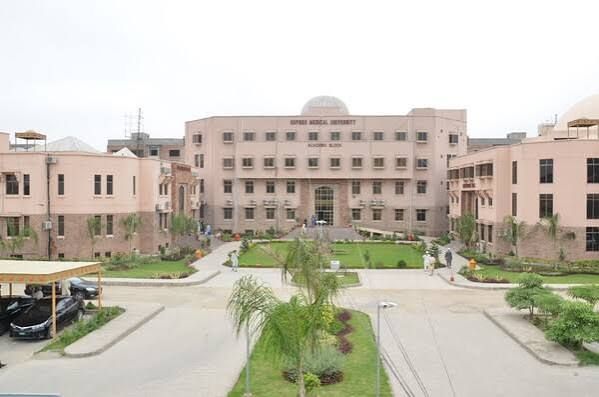
Doctor of Physical Therapy (DPT) : Advancing Healthcare Through Rehabilitation
The Doctor of Physical Therapy (DPT) (https://kmu.edu.pk/programs/undergraduate) is a professional degree that prepares individuals to become licensed physical therapists. Physical therapists play a vital role in the healthcare system by helping patients restore movement, reduce pain, improve physical function, and enhance their overall quality of life. Through evidence-based practice, advanced clinical training, and patient-centered care, DPT professionals contribute significantly to the prevention, diagnosis, and rehabilitation of various physical conditions.
What Is a Doctor of Physical Therapy (DPT)?
A Doctor of Physical Therapy (DPT) is an advanced professional degree designed to educate healthcare practitioners in the science of movement and rehabilitation. DPT graduates assess, diagnose, and treat individuals with injuries, disabilities, and medical conditions that affect mobility and physical function. They work with patients of all ages, from children with developmental disorders to older adults recovering from surgery or managing chronic illnesses.
Objectives of a DPT Program
The primary objectives of a Doctor of Physical Therapy program include:
Developing advanced clinical knowledge and practical skills.
Promoting evidence-based patient care.
Improving mobility and physical independence.
Preventing injuries and long-term disabilities.
Encouraging lifelong learning and professional development.
Enhancing communication and patient education skills.
Curriculum and Areas of Study
A DPT program combines classroom instruction, laboratory training, and clinical experience. Common subjects include:
Human Anatomy
Students gain an in-depth understanding of the structure of the human body, including muscles, bones, joints, and organs.
Physiology
This subject focuses on how the body's systems function under normal and abnormal conditions.
Biomechanics
Biomechanics examines human movement, posture, and the forces acting on the body during physical activities.
Kinesiology
Students learn about muscle function, joint movement, and the mechanics of human motion.
Neurology
Neurology covers disorders affecting the nervous system and rehabilitation techniques for neurological conditions.
Orthopedic Physical Therapy
This area focuses on treating musculoskeletal injuries, fractures, sports injuries, and joint disorders.
Cardiopulmonary Rehabilitation
Students learn rehabilitation techniques for patients with heart and lung conditions.
Pediatric and Geriatric Physical Therapy
Specialized courses prepare students to treat children with developmental disorders and older adults with age-related conditions.
Clinical Training
Clinical education is a fundamental component of the DPT program. Students complete supervised internships in hospitals, rehabilitation centers, sports clinics, and private practices. These experiences allow them to apply theoretical knowledge in real-world healthcare settings while developing professional competence and confidence.
Skills Developed Through a DPT Program
Graduates develop a wide range of professional skills, including:
Patient assessment and evaluation
Clinical reasoning and decision-making
Rehabilitation planning
Manual therapy techniques
Therapeutic exercise prescription
Pain management
Communication and patient counseling
Teamwork and interdisciplinary collaboration
Research and evidence-based practice
Career Opportunities
Graduates with a Doctor of Physical Therapy degree can pursue careers in various healthcare settings, including:
Hospitals
Rehabilitation centers
Private physical therapy clinics
Sports medicine facilities
Orthopedic clinics
Neurological rehabilitation centers
Pediatric healthcare facilities
Home healthcare services
Universities and research institutions
Military and government healthcare organizations
Importance of Physical Therapy
Physical therapy plays a crucial role in modern healthcare by helping patients:
Recover from injuries and surgeries.
Reduce pain without excessive reliance on medication.
Improve balance, flexibility, and strength.
Prevent future injuries.
Manage chronic conditions such as arthritis and back pain.
Enhance mobility and independence.
Improve overall quality of life.
Challenges in the Profession
Physical therapists face several challenges, including managing complex patient conditions, keeping up with advancements in medical research, maintaining physical stamina during clinical practice, and providing individualized treatment plans for diverse patient populations.
Future of the DPT Profession
The demand for qualified physical therapists continues to grow due to aging populations, increased awareness of rehabilitation services, advances in medical care, and the rising prevalence of chronic diseases and sports-related injuries. Emerging technologies such as telehealth, robotic rehabilitation, and artificial intelligence are also shaping the future of physical therapy practice.
Conclusion
The Doctor of Physical Therapy (DPT) is a respected healthcare profession dedicated to improving movement, restoring function, and enhancing the quality of life for patients. Through comprehensive education, clinical training, and evidence-based practice, DPT professionals make a meaningful impact on individuals and communities. As healthcare continues to evolve, physical therapists will remain essential members of multidisciplinary healthcare teams, providing compassionate care and helping patients achieve optimal physical health and independence.
Appreciate the creator