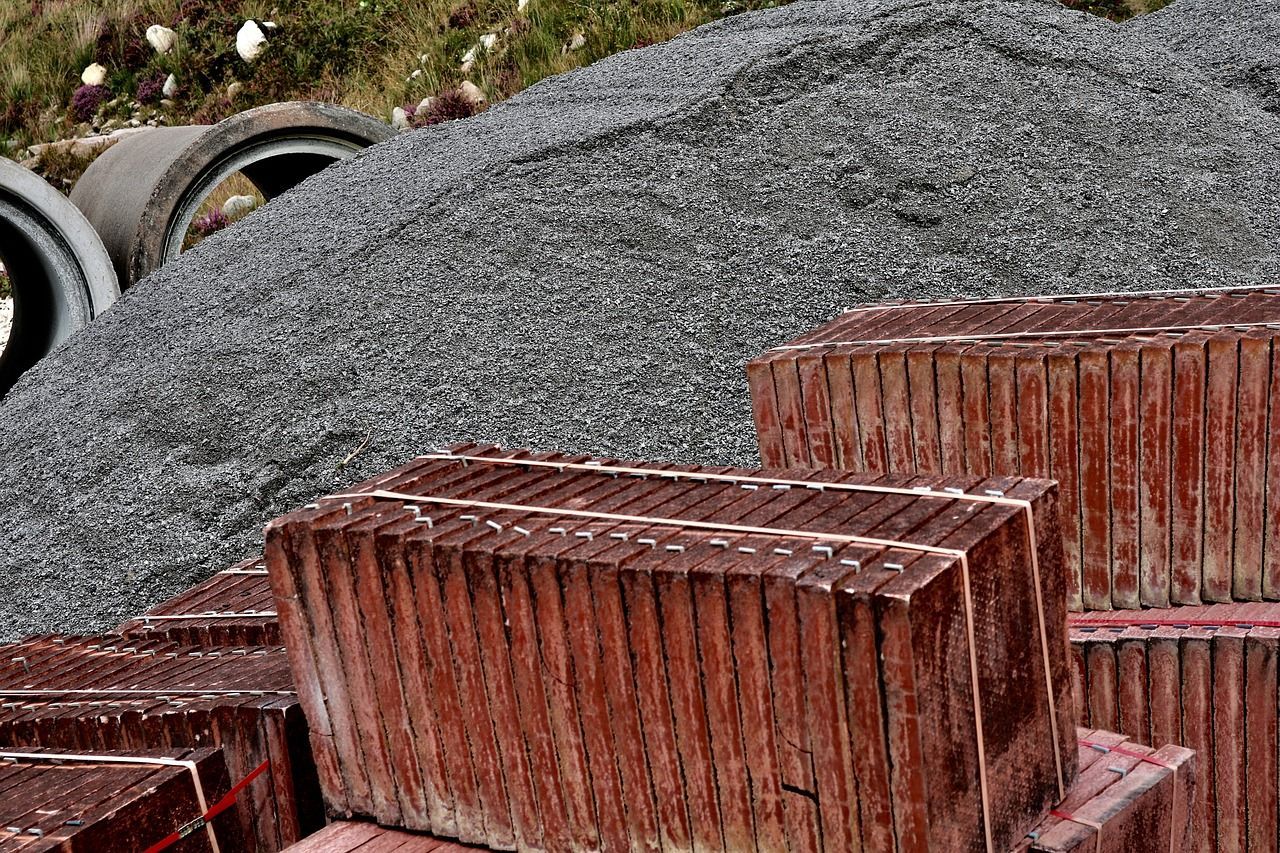
Discover Latest Earthquake Resistant Construction Materials
The threat of earthquakes has always been a concern when it comes to constructing buildings and infrastructure. The unpredictable nature of seismic events poses significant risks to the safety of occupants and the integrity of structures. However, advancements in construction materials and technologies have opened up new possibilities for fortifying buildings against earthquakes. In this article, we will explore the latest developments in earthquake resistant construction materials, their benefits, challenges, case studies, and future directions.
Introduction
Earthquakes can cause widespread devastation, resulting in loss of life, economic damage, and long-term social consequences. To mitigate these risks, engineers and researchers have been working tirelessly to develop innovative materials and techniques that can enhance the seismic resilience of structures. Traditional construction materials such as wood, concrete, and steel have long been used, but they have their limitations when it comes to withstanding earthquakes. Now, let's delve into the advancements in earthquake resistant construction materials that offer improved safety and longevity.
Traditional Construction Materials and Their Limitations
Wood
Wood has been used as a construction material for centuries due to its availability and ease of use. However, wood structures are vulnerable to earthquakes, especially in regions with high seismic activity. The inherent flexibility and low density of wood can lead to significant damage during seismic shaking.
Concrete
Concrete is a widely used material in the construction industry, known for its strength and durability. However, conventional concrete structures may suffer from brittle failure during earthquakes. The lack of tensile strength and limited ductility can result in extensive cracking and collapse.
Steel
Steel is another commonly used material in construction, offering high strength and ductility. While steel structures can withstand seismic forces to a certain extent, they can experience damage due to cyclic loading during earthquakes. Additionally, corrosion can weaken steel over time, compromising its performance.
Advancements in Earthquake Resistant Construction Materials
To address the limitations of traditional materials, researchers and engineers have developed several innovative earthquake resistant construction materials. These materials offer enhanced strength, flexibility, and energy dissipation capabilities, making them ideal for seismic-prone regions. Let's explore some of these advancements:
Fiber Reinforced Polymers (FRPs)
Fiber Reinforced Polymers, such as carbon fiber and glass fiber composites, have gained popularity in earthquake resistant construction. FRPs offer high strength-to-weight ratios and excellent corrosion resistance. They can be used to reinforce existing structures or as primary structural elements in new construction.
Shape Memory Alloys (SMAs)
Shape Memory Alloys possess unique properties that make them ideal for seismic applications. These alloys have the ability to recover their original shape after being deformed, providing excellent energy dissipation and reentry capabilities. SMAs can be incorporated into structures as dampers or bracing systems to mitigate seismic forces.
Cross-Laminated Timber (CLT)
Cross-Laminated Timber is an engineered wood product that offers superior strength and stability. CLT panels consist of multiple layers of lumber boards bonded together at right angles. This construction technique enhances the seismic performance of timber structures, making them a viable alternative to traditional materials.
Buckling Restrained Braces (BRBs)
Buckling Restrained Braces are innovative energy dissipating devices that can be installed in steel and concrete structures. BRBs absorb seismic energy by buckling under compressive forces, protecting the main structural elements from damage. These braces provide enhanced ductility and can be easily incorporated into both new and existing buildings.
Base Isolation Systems
Base Isolation Systems decouple the structure from the ground by introducing flexible bearings or isolators between the foundation and the building. These isolators absorb and dissipate seismic energy, reducing the forces transferred to the superstructure. Base isolation systems offer excellent protection against earthquakes, particularly for critical infrastructure such as hospitals and data centers.
Benefits of Earthquake Resistant Construction Materials
The use of earthquake resistant construction materials provides numerous benefits in terms of safety, cost-effectiveness, and environmental sustainability.
Enhanced Safety
Earthquake resistant materials significantly improve the safety of structures and reduce the risk of collapse during seismic events. By dissipating and redistributing the energy generated by earthquakes, these materials help maintain the structural integrity and protect the lives of occupants.
Cost-effectiveness
While some earthquake resistant materials may have higher upfront costs compared to traditional options, they often result in long-term cost savings. The enhanced durability and reduced maintenance requirements of these materials contribute to their cost-effectiveness over the lifespan of the structure.
Environmental Sustainability
Many earthquake resistant construction materials offer eco-friendly advantages. For instance, the use of timber as a primary material reduces carbon emissions compared to concrete and steel. Additionally, some materials can be recycled or reused, minimizing waste generation.
Challenges and Considerations
Despite the numerous benefits, the adoption of earthquake resistant construction materials comes with certain challenges and considerations that need to be addressed.
Availability and Cost
Some advanced materials may not be readily available in all regions, making their procurement and transportation challenging. Additionally, the initial cost of these materials can be higher than traditional options, limiting their widespread adoption.
Design and Engineering Expertise
Utilizing earthquake resistant materials requires specialized design and engineering expertise. Designers and architects need to be knowledgeable about the unique characteristics and behavior of these materials to ensure proper implementation and performance.
Regulatory Compliance
Building codes and regulations play a crucial role in promoting the use of earthquake resistant construction materials. However, compliance with these codes may vary across different regions, making it essential to align with the local regulations and obtain the necessary approvals.
Future Directions and Innovations
The field of earthquake resistant construction materials continues to evolve, and several exciting directions and innovations are being explored:
Nanomaterials
Nanotechnology offers promising opportunities for developing advanced materials with exceptional strength and durability. Researchers are investigating the use of nanomaterials in concrete, polymers, and metals to enhance their seismic performance.
Smart Structures
The integration of sensors, actuators, and control systems in buildings enables real-time monitoring and adaptive response to seismic events. Smart structures can dynamically adjust their properties to mitigate damage and improve occupant safety.
3D Printing
The application of 3D printing technology in construction allows for the precise fabrication of complex shapes and structures. This technique holds potential for creating earthquake resistant components with optimized designs and reduced material waste.
Resilient Design Principles
Resilient design principles emphasize holistic approaches that consider social, economic, and environmental aspects of construction. By incorporating strategies such as redundancy, modularity, and community planning, structures can better withstand earthquakes and recover more effectively.
Conclusion
Earthquake resistant construction materials play a crucial role in fortifying structures and protecting lives during seismic events. Advancements in materials such as FRPs, SMAs, CLT, BRBs, and base isolation systems have revolutionized the field, offering improved safety, cost-effectiveness, and environmental sustainability. However, challenges related to availability, cost, expertise, and regulatory compliance must be addressed for wider adoption. Through case studies and ongoing innovations, it is evident that the future of earthquake resistant construction is promising. By embracing these materials and design principles, we can fortify our structures and enhance the resilience of our communities.
FAQs
Q: What are the main factors to consider when choosing earthquake resistant construction materials?
A: When selecting earthquake resistant construction materials, it is important to consider factors such as the seismicity of the region, the desired level of performance, material availability, and cost-effectiveness.
Q: Are earthquake resistant construction materials more expensive than traditional materials?
A: While some earthquake resistant materials may have higher upfront costs, they often result in long-term cost savings due to their enhanced durability and reduced maintenance requirements.
Q: How long do earthquake resistant structures last?
A: The lifespan of earthquake resistant structures depends on various factors, including the quality of construction, materials used, and maintenance practices. Well-designed and properly maintained structures can last for decades or even centuries.
Q: Can existing structures be retrofitted with earthquake resistant materials?
A: Yes, existing structures can be retrofitted with earthquake resistant materials and techniques. Seismic retrofitting involves strengthening the structural elements to enhance their ability to withstand earthquakes.
Q: Are earthquake resistant construction materials environmentally friendly?
A: Many earthquake resistant construction materials offer environmental advantages. For example, the use of timber reduces carbon emissions compared to concrete and steel. Additionally, some materials can be recycled or reused, promoting sustainability.
Appreciate the creator