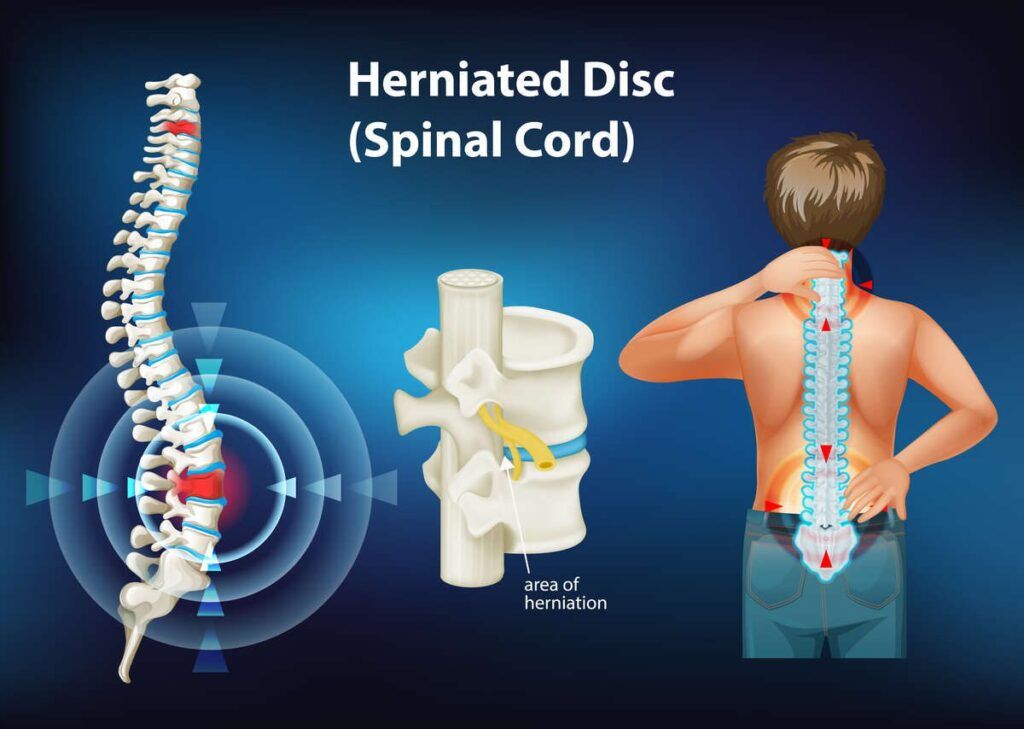
Disc Problem Symptoms Explained – Expert Neurology & Spine Care
Disc problems are becoming increasingly common due to sedentary lifestyles, long working hours, and poor posture. When a spinal disc becomes damaged, bulges, or slips out of place, it can put pressure on surrounding nerves—leading to pain, discomfort, and mobility issues. Understanding the symptoms early can help prevent the condition from worsening and ensure timely medical care. Here’s a clear and expert-backed explanation of the most common symptoms associated with disc problems.
1. Localised Back or Neck Pain
One of the earliest signs of a disc issue is dull, persistent pain in the back or neck. This pain may worsen when bending, lifting, or sitting for long periods. Patients often describe it as a deep ache that doesn’t go away easily. If the affected disc is in the lower back, pain may radiate into the hips or buttocks. In the cervical spine, pain can spread to the shoulders or upper back.
2. Radiating Pain Down Arms or Legs
Radiating or “shooting” pain is a hallmark symptom of nerve compression caused by a herniated or bulging disc.
In cervical disc problems, pain may travel down the arms.
In lumbar disc issues, pain typically radiates down the legs—often known as sciatica.
This shooting pain can be sharp, electric-like, or burning, and usually worsens with movements like coughing, sneezing, or bending.
3. Numbness and Tingling
Nerve irritation caused by disc damage often leads to sensations like numbness, tingling, or “pins and needles.”
Patients may feel numbness in the arms, hands, or fingers if the cervical spine is involved.
For lumbar disc problems, numbness may appear in the thighs, calves, or feet.
These symptoms indicate nerve involvement and should not be ignored.
4. Muscle Weakness
Compressed nerves can interfere with muscle function. Patients may notice:
Weak grip strength
Difficulty lifting the foot (foot drop)
Trouble raising the arm
Weakness while walking or climbing stairs
Muscle weakness is a serious symptom that requires immediate medical attention, as prolonged nerve compression can lead to long-term damage.
5. Pain That Worsens with Movement
Disc-related pain typically intensifies with activity. This includes:
Bending forward or sideways
Sitting for long hours
Standing suddenly
Lifting heavy objects
Many people also experience increased morning stiffness or difficulty finding a comfortable sleeping position.
6. Limited Mobility
Patients often feel restricted movement due to stiffness, pain, or spasms. Difficulty bending, twisting, or turning the head is common. Over time, reduced mobility can affect daily activities and overall quality of life.
When to Seek Medical Help
If you experience:
Persistent pain lasting more than a week
Radiating pain to the arms or legs
Muscle weakness
Difficulty walking
Loss of bladder or bowel control (a medical emergency)
Consult a neurologist or spine specialist promptly.
Expert Care for Disc Problems
Advanced neurology and spine care centres offer treatments such as targeted injections, physiotherapy, medications, and minimally invasive procedures to provide long-lasting relief. Early diagnosis ensures faster recovery and prevents complications.
Understanding the symptoms of disc problems is your first step toward better spine health and a pain-free life. If you’re experiencing any of these signs, don’t wait—expert help is available.
Appreciate the creator