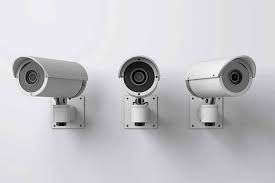
Different Types of Cctv Security Cameras
Find out about the various CCTV security cameras on the market and how to select the most appropriate for your company. Closed-circuit television, also known as CCTV security cameras, is a system of video feeds contained within a closed system that is only accessible to users who have been granted permission to use it. Since they were first introduced in the middle of the 20th century, CCTV cameras have advanced significantly. Now, they offer high frame rates, which enable users to track the movement of people or objects caught on camera. In addition, having a high resolution enables the transmission of full-color feeds, pictures with incredible detail, and the ability to see in the dark. There are many different Cctv security Camera types and configurations available today.
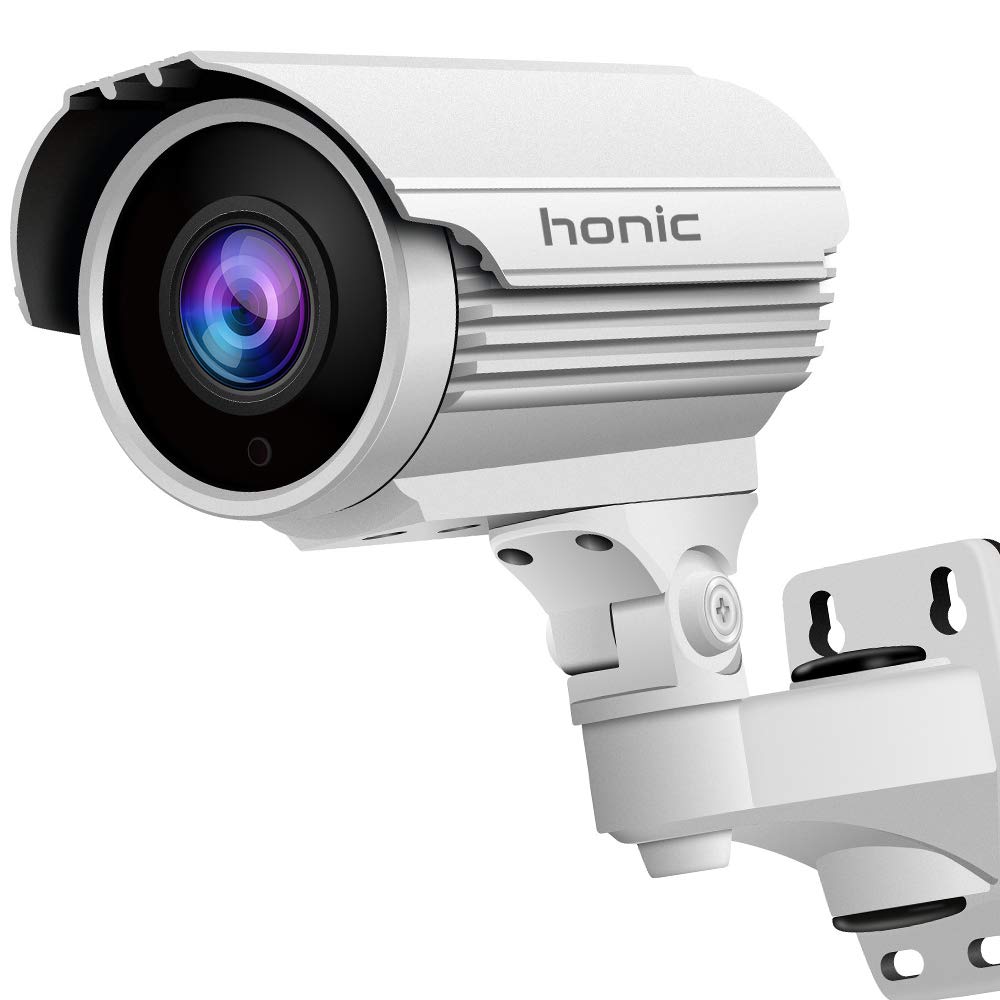
Bullet Cameras
One of the two varieties of CCTV cameras that are most frequently used is the bullet camera. They are characterized by a lengthened cylinder form, contributing to their name and distinctive appearance. Because almost everyone can recognize this appearance, it is a deterrent to people who should not be present. The presence of visible security cameras raises the possibility that would-be intruders and criminals will look for other targets instead. Bullet cameras are more likely to be vandalized because they are so obviously visible. In addition, the camera's shape makes it perfect for zeroing in on a specific area, such as the entrance or exit of a building; however, the user will need multiple cameras if they want to see multiple fixed views. Bullet cameras have an easy mounting system and are versatile enough to be used indoors or outdoors. They have a small lip on the end of the camera that serves two purposes: it protects the camera from the elements and cuts down on glare.
Dome Cameras
The dome camera is the type of CCTV camera that is the second most common. Dome cameras have a specific shape comparable to bullet cameras, but at first glance, they are less noticeable. The cameras are considered indoor cameras because they are normally installed on ceilings; however, they can be mounted on walls to be used outside if required. The vast majority of cameras feature night vision and heat and motion sensing technology, which enables effective surveillance twenty-four hours a day, seven days a week. Compared to the bullet camera, the dome camera offers a more all-encompassing field of view and is typically more resistant to vandalism and tampering.
IP Cameras
Wired, wireless, and wire-free IP cameras are part of the IP security options. Data is gathered and transmitted from wireless cameras over a wireless network. These security cameras can connect to the WiFi network of a user's home, enabling that user to view the footage from any location in the world. There is a widespread misunderstanding that having a wireless camera means it does not have any wires. However, this is not the case, as some wireless cameras still require a power cord. Wired security cameras are connected directly to a recorder, which is then connected to a router, which is then connected to the internet. Last but not least, wire-free cameras are powered solely by their batteries and do not require cables. Even though battery replacements are required, this option can be installed with the least effort, and all recorded footage is saved in the cloud.
PTZ Camera (Pan-Tilt-Zoom)
PTZ cameras, which stand for "pan, tilt, zoom," are effective tools for keeping an eye on expansive areas. The pan and tilt capabilities of the camera lens can range from being completely disabled to having a full 360 degrees of movement and 180 degrees of tilt. Using a single pan-tilt-zoom camera (PTZ) rather than several individually mounted fixed cameras is one of the primary benefits of using PTZ cameras. Many cameras come equipped with preset capabilities that allow the user to easily point the camera in any direction they choose and zoom in and out of the scene as necessary.
Indoor and Outdoor CCTV Cameras
The vast majority of security cameras are designed to function properly both inside and outside. The features, such as night vision or remote viewing, are typically the same across all of them, but their durability varies. Outdoor cameras must be resistant to the elements and, in some instances, completely waterproof. The most reliable cameras are those that have a weather resistance rating of either IP66 or IP67.
Because their design minimizes glare, bullet cameras are typically among the most popular outdoor use choices. In terms of detection, having a camera equipped with infrared detection rather than motion detection is preferable to having a camera that only has motion detection. This will result in alerts that are both more accurate and less frequent. This is because motion detection is frequently triggered by movements that aren't intended to be detected, such as the wind blowing through a tree or an animal passing by.
How to Choose a CCTV Camera and What to Look for
When both the benefits and drawbacks of each type of surveillance camera are known, it is much simpler to decide which cameras will function most effectively in a given setting. When contrasting the various types of cameras and their prices, keep the following three considerations in mind.
Clarity and quality of the image
Adjust the cameras, so they meet the requirements. If capturing high-resolution footage is not a priority for a user, opting for a less expensive solution could be the best option. Similarly, if clarity is essential, many cameras on the market are equipped with HD capabilities and night vision.
Vision in the periphery
The location that will be watched is likely one of the simplest ways to figure out which camera will function the best in that setting. One of the first things a user should think about is whether or not they need a narrow or wide field of vision.
Usage
Will you be taking pictures inside or outside with the camera? Should it be visible as a deterrent, or should it be discreet? What are the necessary capabilities, considering the location's light conditions? When searching for the ideal camera, you should consider all of these considerations.
Appreciate the creator