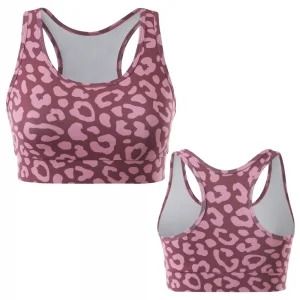
Designing Fitness Bras for Different Body Types and Markets
The global activewear industry has experienced remarkable growth over the past decade. As fitness culture expands across continents, consumers expect performance apparel that combines comfort, support, style, and inclusivity. Among all activewear categories, fitness bras stand out as one of the most technically demanding garments to design.
Designing a sports bra is not just about aesthetics. It requires a deep understanding of body diversity, biomechanics, fabric technology, and market expectations. Brands collaborating with custom clothing manufacturers and experienced production partners must carefully balance support, fit, and fashion to meet evolving consumer demands.
In this guide, we’ll explore how to design fitness bras tailored to different body types and global markets while ensuring performance and scalability.
Understanding Body Diversity in Fitness Bra Design
Every body type requires a different level of support, structure, and coverage. A one-size-fits-all approach no longer works in modern activewear.
1. Small Bust Support Needs
For individuals with smaller bust sizes, light to medium support bras are often sufficient. Key design elements include:
Soft elastic underbands
Minimal padding
Racerback or cross-back straps
Lightweight compression fabrics
These designs prioritize flexibility and comfort without excessive bulk.
2. Medium Bust Support Requirements
Medium bust sizes require enhanced stability. Features often include:
Wider underbands
Removable padding
Double-layer fabric construction
Balanced compression and encapsulation
Partnering with experienced custom clothing manufacturers ensures accurate grading and pattern development for consistent fit across size ranges.
3. Full Bust and High-Impact Needs
Designing for larger bust sizes demands advanced engineering. High-impact sports bras must reduce movement and provide long-lasting support. Essential features include:
Encapsulation cups
Reinforced shoulder straps
Power mesh panels
Adjustable closures
Moisture-wicking linings
Working with reliable sports bra wholesale suppliers helps brands maintain structural integrity while producing at scale.
Choosing the Right Level of Support
Support levels typically fall into three categories:
Low Impact
Ideal for yoga, pilates, and walking. Focus is on flexibility and breathability.
Medium Impact
Suitable for gym workouts and cycling. Balanced support and comfort are essential.
High Impact
Designed for running, HIIT, and competitive sports. Maximum compression and encapsulation reduce bounce and discomfort.
Brands sourcing from professional sports apparel suppliers often request lab testing for elasticity recovery, compression retention, and durability to ensure performance standards are met.
Fabric Selection: Performance Meets Comfort
Fabric choice significantly impacts the overall performance of fitness bras.
Key Fabric Characteristics
Four-way stretch
Moisture-wicking capability
Breathability
Anti-odor treatment
Soft hand feel
Shape retention
Blended fabrics such as nylon-spandex or polyester-elastane are commonly used. For sustainable collections, recycled polyester and eco-friendly dye processes are becoming increasingly popular.
Experienced custom activewear manufacturers often offer fabric development services, helping brands select materials that match both performance goals and price targets.
Inclusive Sizing and Global Fit Standards
Global markets have varying sizing standards and body proportions. What fits well in North America may differ from expectations in Europe, the Middle East, or Asia.
Regional Fit Considerations
Asian markets may prefer lighter padding and slimmer silhouettes.
Western markets often demand extended plus-size ranges.
Middle Eastern markets may prioritize higher coverage and modest cuts.
A strong collaboration with custom clothing manufacturers ensures proper size grading and fit trials for multiple target regions.
Design Aesthetics for Different Markets
Beyond functionality, design aesthetics play a major role in market appeal.
Minimalist Designs
Neutral tones and clean silhouettes perform well in premium and Scandinavian-inspired markets.
Bold and Trend-Driven Styles
Bright colors, graphic elements, and cut-out details resonate with younger consumers and urban fitness communities.
Brands partnering with a pakistan streetwear manufacturer sometimes incorporate street-style influences into activewear collections, blending fashion-forward design with athletic functionality.
Strap Engineering and Back Designs
Straps are more than a visual feature—they determine support distribution and comfort.
Common strap styles include:
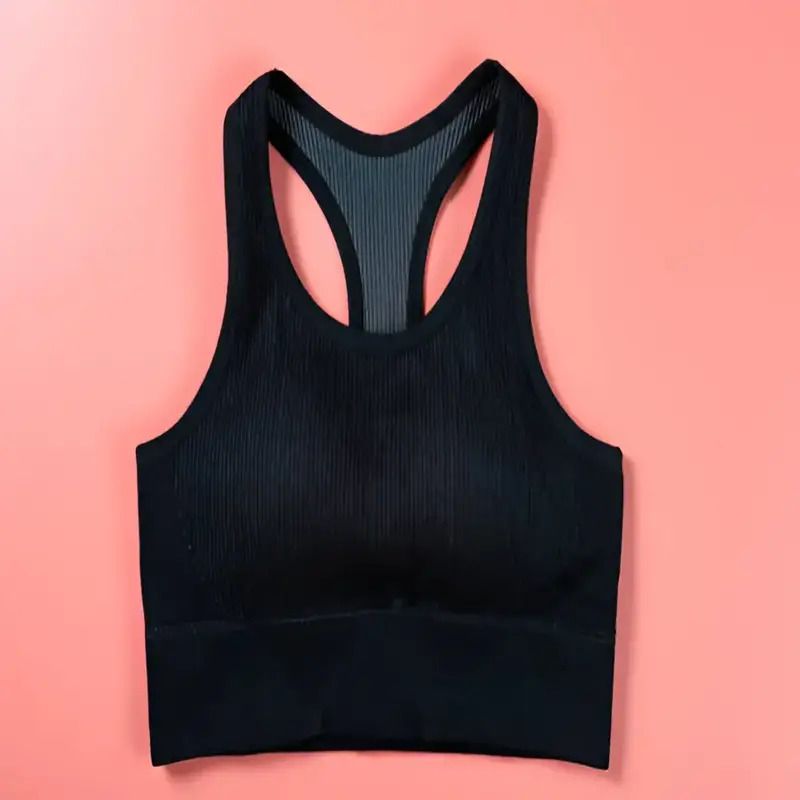
Racerback for high-impact stability
Cross-back for enhanced flexibility
Adjustable straight straps for customization
Multi-strap designs for fashion appeal
Reinforced stitching and durable elastic components from trusted sports bra wholesale suppliers help ensure longevity during repeated wear and washing.
The Role of Compression and Encapsulation
There are two primary support mechanisms in fitness bras:
Compression
Presses the breasts against the chest wall to reduce movement. Best for smaller bust sizes or low-to-medium impact activities.
Encapsulation
Uses separate molded cups to provide individual support. Ideal for larger bust sizes and high-impact workouts.
Modern designs often combine both methods to maximize comfort and performance. Leading sports apparel suppliers conduct stretch and recovery testing to maintain long-term elasticity.
Sustainability in Fitness Bra Manufacturing
Sustainability is no longer optional. Consumers actively seek brands that prioritize ethical production and environmentally responsible materials.
Key sustainability practices include:
Recycled synthetic fibers
Water-efficient dyeing processes
Reduced packaging waste
Ethical labor standards
Collaborating with responsible custom activewear manufacturers allows brands to align with global sustainability expectations without compromising quality.
Market Segmentation Strategies
When designing fitness bras for global markets, brands should define their target segments clearly.
Performance-Focused Athletes
Prioritize advanced support systems, durability, and moisture control.
Athleisure Consumers
Focus on stylish cuts, comfort, and versatility for daily wear.
Budget-Conscious Buyers
Balance cost efficiency with essential performance features.
Working closely with scalable custom clothing manufacturers enables flexible production quantities and pricing structures tailored to different market tiers.
Testing and Quality Control
Before launching a fitness bra collection, thorough testing is critical.
Key Testing Areas
Elasticity retention
Seam strength
Color fastness
Fabric shrinkage
Wash durability
Sweat absorption
Reliable sports bra wholesale suppliers often provide third-party lab certifications to verify compliance with international standards.
Technology and Innovation in Fitness Bras
Modern innovation is transforming sports bra design. Emerging trends include:
Seamless knitting technology
Bonded seams for reduced friction
Laser-cut ventilation panels
Smart textiles with temperature regulation
Brands collaborating with advanced sports apparel suppliers can leverage these technologies to differentiate themselves in competitive markets.
Pricing Strategy and Production Planning
Pricing depends on:
Fabric quality
Support complexity
Construction method
Branding elements
Packaging requirements
Bulk production planning with experienced custom activewear manufacturers ensures cost optimization without sacrificing quality. Efficient sampling and prototype development reduce delays and improve time-to-market.
Cultural Sensitivity and Market Adaptation
Fitness apparel must align with cultural norms in different regions. For example:
High-neck designs may appeal in conservative markets.
Cropped and strappy styles may perform better in Western markets.
Neutral tones may dominate in minimalist regions.
Understanding these nuances helps brands expand globally while maintaining authenticity.
Building Long-Term Brand Value
Designing fitness bras for diverse body types is not only about short-term sales—it builds long-term customer trust.
When consumers find a bra that fits well, supports properly, and feels comfortable, they remain loyal. Consistency in sizing and performance, achieved through partnerships with reliable custom clothing manufacturers, strengthens brand reputation over time.
Appreciate the creator