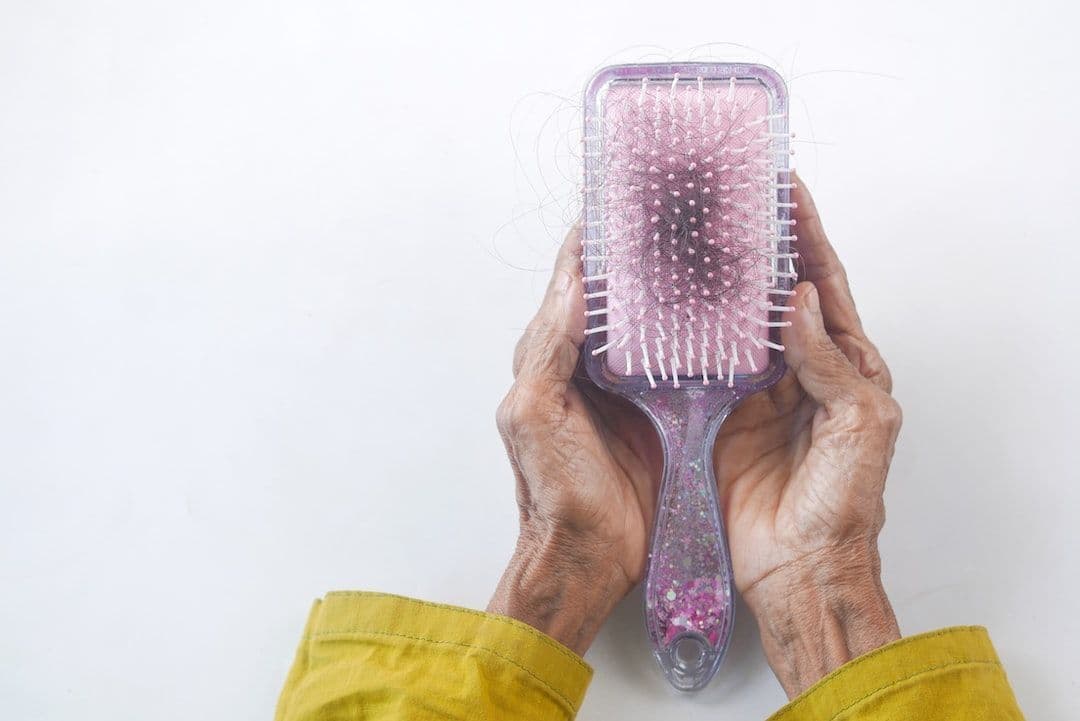
Debunking Myths: Can Wearing a Helmet Cause Hair Loss?
Wearing a helmet, when used correctly, should not cause hair loss. Helmets are designed to protect your head and reduce the risk of head injuries in various activities such as cycling, motorcycling, and certain sports. However, some misconceptions and concerns about helmet use and hair loss have circulated over the years. Let's address these concerns:
Friction: Some people worry that the friction between the helmet and the scalp can lead to hair loss. While it's true that helmets may press on the hair and scalp, especially if they are tight-fitting, this pressure is unlikely to cause hair loss. The hair follicles are quite resilient and can withstand some pressure without being damaged.
Sweat and Moisture: Helmets can trap sweat and moisture on the scalp, creating a humid environment. Some individuals believe that this moisture can weaken hair and lead to hair loss. However, temporary moisture and sweating under a helmet are not typically significant enough to cause hair loss. Proper hygiene and regular cleaning of the helmet can help mitigate these concerns.
Traction Alopecia: Traction alopecia is a type of hair loss that occurs when hair is pulled or subjected to prolonged tension. This condition can be caused by tight hairstyles like braids or ponytails, but it's generally not associated with wearing helmets unless the helmet is excessively tight or used incorrectly.
Pre-existing Conditions: If you have pre-existing scalp conditions or are prone to hair loss due to genetics or hormonal factors, wearing a helmet may not directly cause hair loss but could exacerbate these issues. It's essential to address any underlying hair or scalp conditions with a healthcare professional.
In summary, wearing a properly fitting helmet should not cause hair loss in most cases. The benefits of protecting your head and preventing head injuries far outweigh any minor concerns about hair and scalp health. If you experience unusual hair loss or discomfort while wearing a helmet, it's advisable to consult a dermatologist or a healthcare provider to assess your specific situation and address any underlying causes of hair loss or scalp issues.
Appreciate the creator