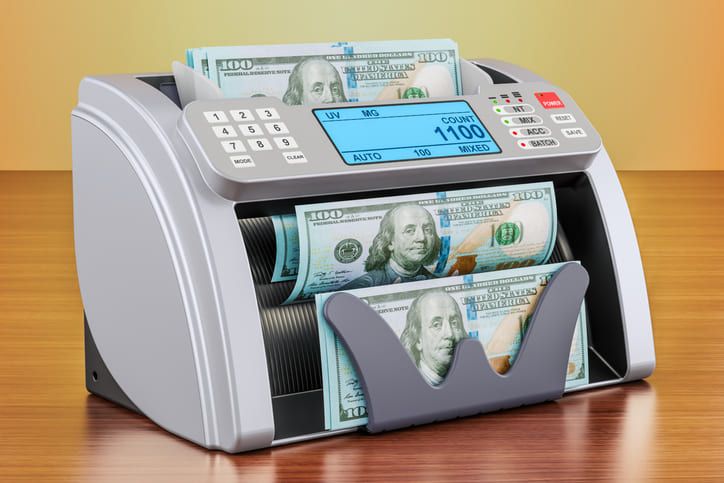
Counterfeit Money Detectors: Materials, Standards and Where They're Used
The materials and engineering choices behind a counterfeit detection device shape both how accurately it performs and how long it lasts under daily commercial handling. These details rarely appear prominently in product descriptions, even though they matter enormously to how the device holds up over time.
This overview covers what typically goes into building this equipment and the range of settings where it earns its keep protecting against losses that cannot be recovered.
Sensor and Circuit Materials
UV lamps, magnetic sensors, and infrared receivers connect to a central circuit board responsible for interpreting readings and signaling a result. The quality of this circuitry, more than any single sensor, is what determines whether a counterfeit money detector performs consistently over years of use rather than degrading after a few months.
Higher-end circuit boards also include temperature compensation, which keeps sensor readings accurate even as ambient conditions shift between a cold morning opening and a warm, crowded afternoon at the counter.
Housing Construction and Durability
Reinforced plastic or metal housings shield internal components from dust, moisture, and the repetitive handling typical of busy retail counters or teller stations that rarely get a moment of downtime.
Standards That Apply to This Equipment
CE marking and RoHS compliance are common baseline requirements across many import markets, addressing safety, electromagnetic compatibility, and restricted substances in electronic components used throughout the device.
Typical Settings Where This Equipment Is Used
Retail stores, banks, hospitality venues, currency exchanges, and cash-in-transit operations all rely on this equipment, though the specific model chosen usually reflects transaction volume and currency variety at each individual site.
Why Material Choices Affect Long-Term Cost
Devices built with lower-grade sensors or housings may cost less upfront but tend to need recalibration or replacement sooner, which quietly adds up in service calls and downtime that a slightly higher initial investment would have avoided.
Some destination markets impose additional certification requirements beyond the common baseline, so confirming which standards apply to a specific country avoids customs delays that have nothing to do with the equipment's actual quality.
Conclusion
Understanding the materials and standards behind detection equipment gives buyers a much stronger basis for judging quality than surface-level comparisons between similar-looking listings. That understanding leads directly to equipment that performs reliably in the specific environment it ends up serving.
It also helps buyers ask sharper, more specific questions the next time they evaluate a new supplier or model.
Appreciate the creator