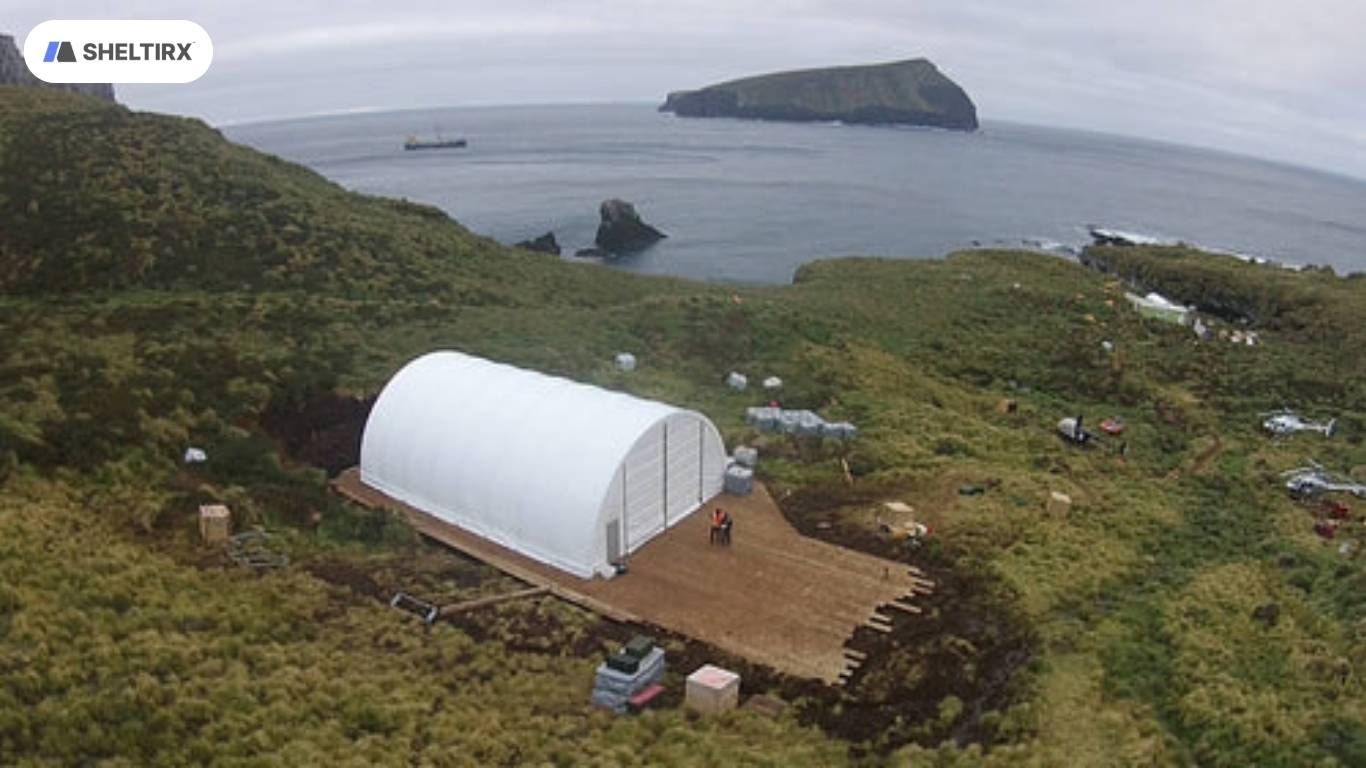
Container Domes and Shelters: The Fastest Way to Create Durable Industrial Covered Space
Industrial businesses are under constant pressure to expand operations, protect valuable assets, and increase productivity without taking on the high costs and long timelines associated with permanent construction. Whether managing a construction project, mining operation, logistics hub, or agricultural facility, organizations need practical ways to add covered space quickly.
This growing demand has fueled the popularity of container domes and shelters, which provide a fast, flexible, and cost-effective alternative to conventional buildings. By combining engineered steel framing with durable fabric membranes and existing shipping containers, these structures deliver reliable protection for equipment, materials, vehicles, and personnel while significantly reducing project timelines and capital expenditures.
What Are Container Domes and Shelters?
Container domes and shelters are engineered fabric structures that utilize shipping containers as the primary support foundation for a steel-framed shelter system. The containers act as stable anchor points while the fabric-covered structure spans between them, creating a large protected area.
Often referred to as a shipping container shelter, these systems are widely used across industrial sectors because they eliminate the need for extensive foundations while providing substantial covered space.
A conex tent operates on the same principle, using conex or shipping containers as structural supports. Modern container shelter systems are engineered for temporary, semi-permanent, or long-term applications and can be customized to meet project-specific requirements.
Unlike basic tarps or temporary covers, engineered container shelters feature:
Hot-dip galvanized steel frames
High-performance fabric membranes
Wind and snow load engineering
Code-compliant structural design
Modular expansion capabilities
The result is a durable structure capable of supporting demanding industrial operations in a wide range of environments.
Why Businesses Are Choosing Container-Based Shelter Systems
Fast Installation
Traditional construction projects often require months of site preparation, permitting, foundation work, and building assembly.
Container-based shelter systems can frequently be installed in a fraction of that time. Since shipping containers often serve as the foundation system, site preparation requirements are significantly reduced.
This allows businesses to respond quickly to changing operational demands.
Lower Capital Costs
Permanent structures typically require substantial investment in foundations, structural steel, labor, and permitting.
Container shelters provide a more economical alternative while still delivering dependable protection and operational functionality. Organizations can allocate capital toward revenue-generating activities rather than extensive construction projects.
Relocatability
Many industries operate in dynamic environments where facility needs change over time.
Unlike permanent buildings, container shelters can be dismantled, relocated, and reinstalled at a new site. This flexibility is particularly valuable for construction projects, mining operations, and temporary industrial facilities.
Operational Flexibility
As business needs evolve, shelter systems can often be expanded or reconfigured.
Additional bays, extended lengths, or larger shelter spans can accommodate future growth without requiring an entirely new facility.
Reduced Site Disruption
Large construction projects often interrupt daily operations.
Container shelters minimize disruption by requiring less excavation, fewer construction activities, and faster deployment schedules.
Common Applications for Container Domes and Shelters
The versatility of these structures makes them suitable for numerous industrial applications.
Equipment Storage
Heavy machinery and specialized equipment represent significant investments. Shelter systems help protect assets from weather-related damage and reduce maintenance costs.
Fleet Protection
Vehicle fleets can be stored under cover to reduce exposure to sun, rain, snow, and other environmental factors that contribute to wear and deterioration.
Bulk Material Storage
Many operations require covered storage for aggregate, sand, salt, grain, fertilizers, or industrial raw materials.
Temporary Warehousing
Businesses experiencing seasonal demand spikes or temporary storage shortages can rapidly deploy additional warehousing capacity.
Construction Shelters
Modern construction shelters provide protected workspaces for equipment maintenance, material storage, fabrication activities, and project staging areas.
Agricultural Storage
Farm operations benefit from shelter systems for machinery storage, hay protection, feed storage, and equipment maintenance.
Industrial Maintenance Areas
Many facilities use container canopies to create dedicated maintenance zones that allow technicians to work efficiently regardless of weather conditions.
Understanding Shelter Sizes and Configurations
Selecting the appropriate shelter size depends on operational requirements, equipment dimensions, storage needs, and future expansion plans.
20 ft Dome Shelter Applications
A 20 ft dome shelter is often ideal for:
Small equipment storage
Compact workshops
Maintenance bays
Material protection
Remote project sites
These shelters provide an efficient solution where space constraints exist or where operations require smaller covered areas.
40ft Container Shelter Applications
A 40ft container shelter offers substantially more covered space and is commonly used for:
Fleet vehicle storage
Temporary warehouses
Industrial maintenance operations
Construction staging areas
Agricultural storage
Larger shelter configurations typically provide greater clearance heights and expanded operational flexibility.
When evaluating shelter size, businesses should consider:
Equipment dimensions
Vehicle access requirements
Future expansion needs
Material handling equipment
Clearance height requirements
Planning for future growth can help maximize long-term return on investment.
Conex Box Canopy vs Traditional Buildings
A conex box canopy offers several advantages compared to conventional construction.
Installation Speed
Traditional buildings may take months to complete.
Container shelters can often be deployed much faster, allowing operations to begin sooner.
Cost Efficiency
Permanent structures generally require larger capital investments.
Container shelters provide functional covered space with significantly lower upfront costs.
Permitting Simplicity
Many projects experience delays due to permitting requirements associated with traditional construction.
Container-based structures often involve a more streamlined approval process, depending on local regulations.
Relocation Capability
Permanent buildings remain fixed in place.
Container shelters can be moved to support future projects or changing operational requirements.
Expansion Flexibility
Expanding a conventional building can be costly and disruptive.
Many container shelter systems can be extended or modified as business needs evolve.
Faster ROI
Lower capital costs and quicker deployment often enable organizations to realize returns sooner compared to permanent construction alternatives.
Key Features to Look for When Buying Container Domes and Shelters
Not all shelter systems are engineered to the same standards.
Before investing in container domes and shelters, buyers should evaluate several critical factors.
Engineered Structural Design
Choose systems specifically engineered for local environmental conditions and building code requirements.
Wind and Snow Load Compliance
Shelters should be designed to withstand project-specific wind speeds and snow loads.
Fabric Quality
Premium PVC, PVDF, or PTFE fabric membranes generally provide superior durability, weather resistance, and longevity.
Corrosion Protection
Hot-dip galvanized steel components help protect against rust and extend service life.
Frame Strength
Industrial applications demand robust structural systems capable of handling challenging operating environments.
Expandability
Modular systems provide flexibility to accommodate future growth.
Manufacturer Experience
Proven experience and a strong installation history often indicate higher-quality engineering and project execution.
Warranty Support
Comprehensive warranty programs help protect long-term investments.
Engineered systems consistently outperform low-cost imported alternatives that may not meet structural, safety, or durability expectations.
Why Sheltirx USA Is a Trusted Partner for Industrial Shelter Solutions
Sheltirx USA has built a reputation for delivering engineered fabric structures that meet the demanding requirements of industrial clients worldwide.
The company's shelter solutions are designed using project-specific engineering principles and are developed to comply with applicable building codes and environmental load requirements.
Key strengths include:
Engineered structural designs
Code-compliant systems
Relocatable shelter solutions
Hot-dip galvanized steel construction
Premium fabric membrane technology
Extensive global project experience
Hundreds of installations annually
Zero structural failure record
These capabilities allow organizations to invest confidently in shelter infrastructure that supports operational efficiency, asset protection, and long-term value.
Conclusion
As industrial operations continue to demand faster, more flexible infrastructure solutions, container domes and shelters have emerged as one of the most practical alternatives to permanent construction. They provide rapid deployment, lower capital costs, operational flexibility, and dependable protection for equipment, materials, and personnel.
From a compact 20 ft dome shelter to a large 40ft container shelter, these systems can be tailored to meet a wide range of operational requirements while delivering excellent long-term value.
For businesses seeking a reliable, engineered solution, Sheltirx USA offers the expertise, engineering capabilities, and proven track record necessary to support successful projects. Contact the Sheltirx team today to discuss your requirements and receive a customized recommendation for the ideal container shelter solution.
Read more: Shipping Container Canopy Shelters in Hurricanes & High Winds
Appreciate the creator