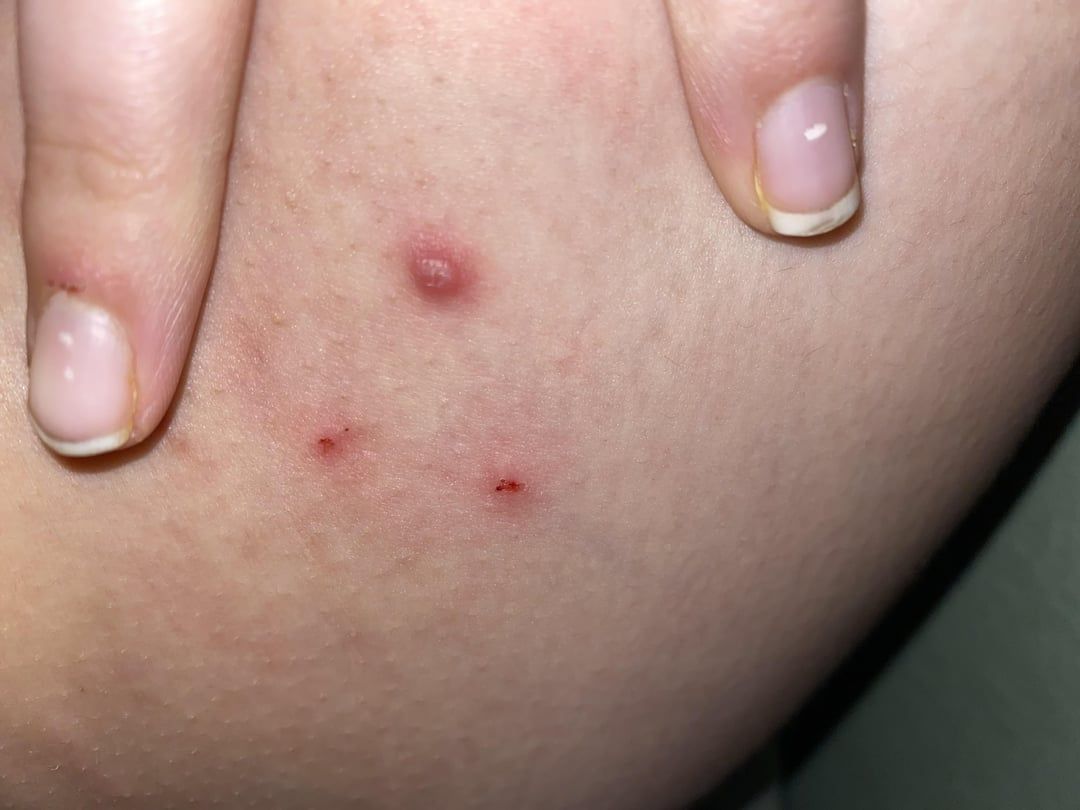
Complete Guide to Warts Removal Surgery
Warts are small, benign skin growths caused by the human papillomavirus (HPV). They can appear anywhere on the body, commonly on hands, feet, face, and genitals. While often harmless, warts can be unsightly, uncomfortable, and contagious. Some warts disappear on their own, but persistent or painful ones may require Warts Removal Surgery in Dubai. Individuals often choose surgery when warts do not respond to over-the-counter treatments, or when they multiply rapidly and interfere with daily life or aesthetics.
Types of Warts Treated by Surgery:
There are several types of Warts Removal Surgery (ما هو أفضل علاج لإزالة الثآليل؟). Common warts (verruca vulgaris) typically appear on fingers and hands and have a rough, raised surface. Plantar warts grow on the soles of the feet and can be painful due to pressure from walking. Flat warts are smoother and smaller and often appear on the face or legs. Filiform warts have thread-like projections and often occur on the face. Genital warts are a sexually transmitted form of HPV and may need medical intervention if persistent. Surgery is often considered for large, recurring, or treatment-resistant warts of any type.
Different Surgical Techniques for Warts Removal:
Wart removal surgery may involve various techniques depending on the size, location, and type of wart. Cryosurgery is a common method where liquid nitrogen is used to freeze and destroy the wart. Electrosurgery involves burning the wart using an electric current, often combined with curettage (scraping). Laser surgery uses intense light beams to target and vaporize wart tissue, especially useful for deep or stubborn growths. Excision, where the wart is cut out with a scalpel, may be performed under local anesthesia. Each technique has its benefits, and the choice depends on wart characteristics and the desired recovery time.
Preparing for the Procedure:
Preparation for wart removal surgery typically involves a consultation to assess the wart type, location, and history of treatments used. Patients may be advised to stop certain medications or avoid skin products in the area before surgery. Good hygiene, hydration, and avoiding skin irritation in the affected area are key. In some cases, a topical anesthetic may be applied before the procedure to minimize discomfort. Clear instructions are usually given regarding what to expect before, during, and after surgery. Understanding the process helps reduce anxiety and improves post-surgical care.
What Happens During Wart Removal Surgery:
Wart removal surgeries are typically outpatient procedures and can often be completed in a short time. After cleaning the area, the chosen method—whether freezing, burning, cutting, or laser—is applied. Local anesthesia is often used to numb the area, ensuring minimal pain. During cryosurgery, a cotton swab or spray may be used to apply liquid nitrogen. Electrosurgery and curettage involve applying an electric current to destroy the wart followed by scraping it off. In excision, a scalpel is used to remove the wart completely. After the procedure, the site is dressed with a sterile bandage, and instructions for home care are provided.
Post-Surgery Care and Healing Process:
After wart removal, the treated area may appear red, swollen, or mildly painful. It's important to keep the wound clean and dry to prevent infection. Over-the-counter pain relievers may be used to manage discomfort. Scabbing is common, and it's crucial not to pick at the area to avoid scarring. Healing usually takes 1–3 weeks depending on the method used and the individual’s skin type. Avoiding friction, sun exposure, and moisture in the area promotes faster healing. Follow-up appointments may be recommended to check for regrowth or assess healing progress.
Potential Risks and Side Effects:
While wart removal surgery is generally safe, there are some possible side effects and risks. These include mild pain, redness, blistering, scarring, and infection. In some cases, warts may return if the virus remains in the surrounding skin. Rare complications may involve delayed healing or changes in skin pigmentation. To reduce risks, it’s important to follow all aftercare instructions and monitor the area for signs of infection such as increased redness, pus, or fever. If such symptoms occur, timely medical attention helps ensure proper recovery.
Long-Term Prevention and Results:
Surgical wart removal offers immediate relief from persistent warts, but maintaining results requires preventive measures. Since HPV is contagious, avoiding skin-to-skin contact with infected individuals and not sharing personal items like razors or towels is essential. Strengthening the immune system through a healthy lifestyle can reduce recurrence. For plantar and genital warts, using protective footwear in communal areas and practicing safe hygiene are key preventive strategies. While surgery removes existing warts, virus suppression is a long-term commitment. With proper care, most individuals experience significant improvement and enjoy wart-free skin for years to come.
Conclusion:
Warts Removal Surgery (علاج الثألول) is a reliable and effective method for managing stubborn or recurrent warts. By understanding the types of procedures available, how to prepare, what to expect during and after surgery, and how to care for your skin post-treatment, individuals can confidently take steps toward healthier, clearer skin. While the journey doesn't end with surgery, consistent care and prevention practices make a big difference in long-term success.
Appreciate the creator