Common Problems in Rubber Mixing Mill and How to Fix Them
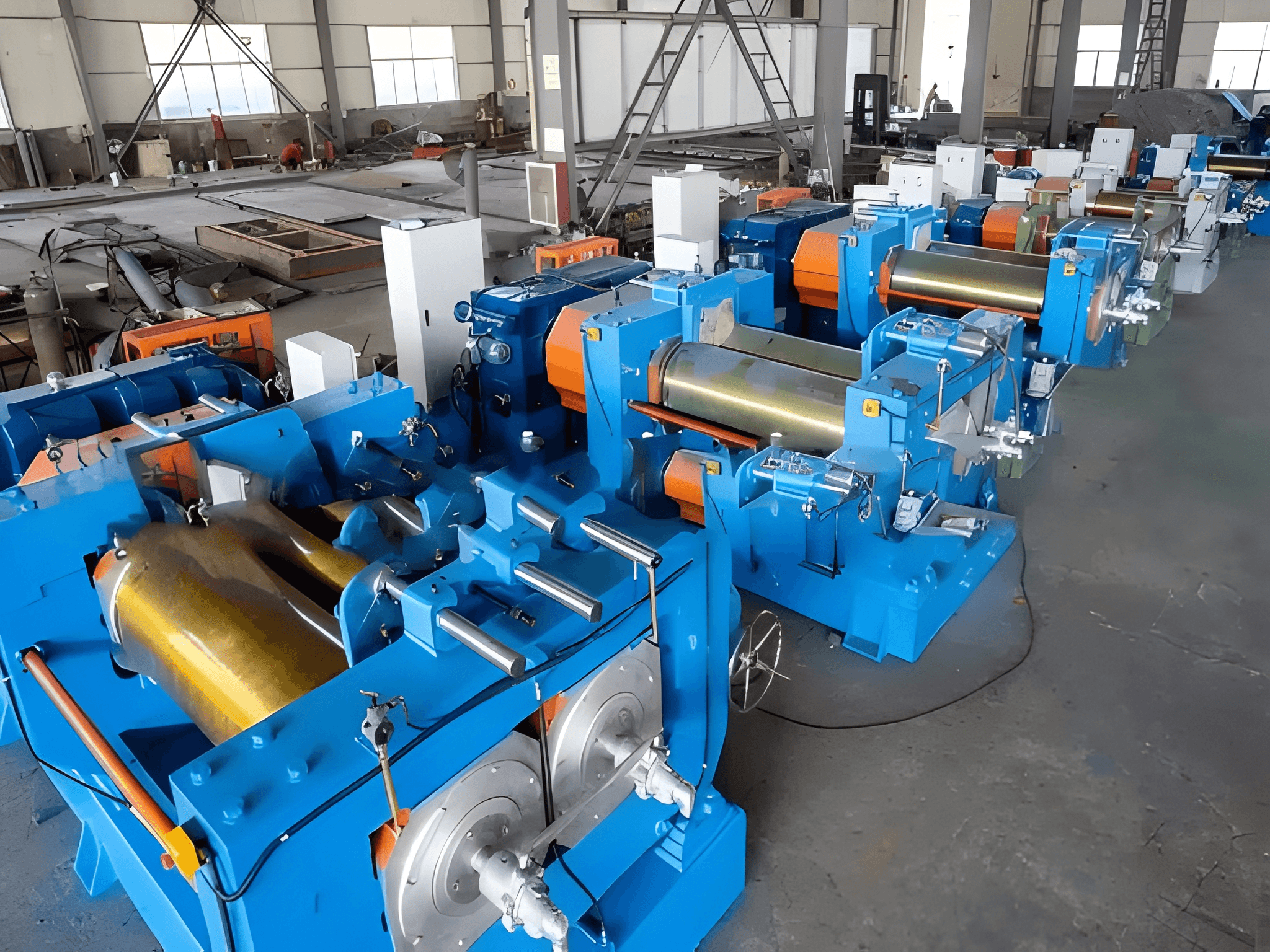
Across rubber processing plants, the rubber mixing mill is often treated as the mechanical backbone of compound preparation. Filler incorporation, polymer mastication, chemical blending, and batch consistency are all heavily influenced by the performance of this machine. When a mill begins operating outside design tolerances, production losses are usually experienced quickly.
A mill breakdown is rarely caused by one visible issue. In most cases, heat buildup, mechanical wear, electrical instability, lubrication failure, or improper compound loading are quietly developing long before operators notice the symptoms.
For processors studying machine performance, spare parts planning, and technical support options, industrial references are often reviewed through https://vatsntecnic.com/ before maintenance decisions are finalized.
When a rubber mixing mill is maintained correctly, years of reliable service can be achieved. When warning signs are ignored, downtime costs can multiply rapidly.
Problem 1: Uneven Rubber Mixing and Poor Dispersion
One of the most common issues seen on factory floors is poor filler dispersion.
Carbon black clusters, silica agglomerates, oil streaks, or additive separation may be observed in the final sheet.
This issue is often caused by:
Incorrect friction ratio
Roll speed imbalance
Excessive batch loading
Inconsistent roll temperature
Worn roll surfaces
When dispersion becomes inconsistent, tensile strength, cure stability, and downstream product performance may all be affected.
To solve this issue:
Roll speed synchronization should be checked
Surface wear should be measured
Batch weight should be reduced if overload is present
Cooling water flow should be inspected
When advanced compounding systems are being compared, process references are often reviewed through https://vatsntecnic.com/difference-between-rubber-intermix-internal-mixer/ before process upgrades are approved.
Problem 2: Roll Surface Overheating
Excessive roll temperature is another issue frequently observed in rubber mixing operations.
When roll temperature rises beyond acceptable process limits, scorching risk may increase and polymer degradation may occur.
Common causes include:
Poor cooling circulation
Scale buildup inside channels
Excessive friction loading
Bearing drag
Overloaded compound batches
To correct this issue:
Cooling water channels should be flushed
Temperature sensors should be calibrated
Bearing lubrication should be verified
Production batch size should be reviewed
If thermal control is restored early, compound quality can usually be stabilized.
Problem 3: Bearing Heating and Vibration
Bearing failure is often responsible for major production stoppages.
The earliest warning signs usually include:
Abnormal vibration
Grinding noise
Housing temperature increase
Lubrication discoloration
If bearing damage is ignored, shaft alignment may be affected and gearbox stress may increase.
To correct this issue:
Bearing clearance should be measured
Grease contamination should be inspected
Housing alignment should be checked
Load distribution should be tested
Preventive bearing replacement is often cheaper than emergency downtime.
Problem 4: Rubber Sheet Thickness Variation
When sheet thickness begins fluctuating, downstream extrusion and molding quality may be affected.
This issue is commonly created by:
Roll misalignment
Mechanical backlash
Hydraulic gap instability
Worn adjustment screws
To correct this issue:
Roll parallelism should be verified
Gap adjustment systems should be recalibrated
Hydraulic pressure should be tested
When dimensional stability is restored, scrap generation is often reduced significantly.
Problem 5: Gearbox Noise and Torque Loss
If gearbox noise becomes louder during load conditions, internal wear may already be developing.
The problem may be caused by:
Gear tooth wear
Poor lubrication
Shaft misalignment
Overloading
To solve this issue:
Gear backlash should be measured
Oil contamination should be analyzed
Vibration readings should be recorded
Load balance should be evaluated
Ignoring gearbox warning signs often leads to expensive rebuilds.
Analyzing Material Requirements (Compounds and Viscosity)
Not every mixing issue is caused by machine wear. In many cases, compound behavior is responsible.
Raw material viscosity, filler loading, polymer elasticity, and thermal sensitivity should always be considered.
Low-viscosity compounds may be processed easily.
Heavy compounds such as:
Carbon black tyre formulations
Silica tread compounds
NBR industrial blends
EPDM weather-resistant compounds
usually require stronger shear control.
If polymer shearing is excessive, chain breakdown may occur.
If shearing is insufficient, filler dispersion may remain incomplete.
Friction ratios such as 1:1.1 or 1:1.25 are often selected depending on compound sensitivity.
Businesses planning tyre production often review process and investment planning through https://vatsntecnic.com/how-to-start-tyre-manufacturing-business-in-low-budget/ before equipment purchases are made.
Evaluating Technical Specifications (Automation and PLC Systems)
Older mills often depend heavily on operator judgment.
In modern production facilities, technical consistency is increasingly being supported by automation.
Advanced mills are often equipped with:
PLC control systems
HMI touchscreen panels
VFD motor drives
Load monitoring sensors
Torque feedback systems
Auto lubrication systems
When automation is integrated, batch variation is often reduced.
In downstream extrusion systems, L/D ratios such as 12:1, 16:1, or 20:1 are commonly selected depending on polymer flow behavior.
In molding operations, clamping force may range from 100 tons to 500 tons depending on component size.
If mixing inconsistency exists upstream, downstream process quality may also be affected.
Total Cost of Ownership (Energy Efficiency and Maintenance)
Machine breakdowns rarely affect only repair budgets.
Long-term cost is often increased through:
Energy waste
Scrap generation
Emergency labor
Production downtime
Spare part delays
If motors are inefficient, electrical costs may rise.
If bearings run hot, mechanical stress may increase.
If lubrication systems fail, gearbox damage may be accelerated.
Modern VFD systems and energy-efficient motors can reduce long-term operating cost significantly.
When preventive maintenance is prioritized, machine life is often extended by several years.
Safety Compliance Should Always Be Maintained
Rubber mixing mills operate under high torque, high friction, and high thermal load.
Because of this, safety systems should always remain functional.
The following should be inspected regularly:
Emergency stop bars
Pull-cord systems
Reverse braking systems
Electrical grounding
Thermal overload protection
Nip point guards
If safety systems fail, operator risk may increase significantly.
Compliance should never be treated as optional maintenance.
Final Thoughts
Most rubber mixing mill problems are not created overnight.
They are usually built slowly through neglected maintenance, incorrect compound loading, poor lubrication, or outdated control systems.
Machines may continue running while problems develop quietly.
Factories that monitor early warning signs, invest in preventive maintenance, and control process parameters carefully are usually rewarded with lower downtime, stronger compound consistency, and better long-term ROI.
Appreciate the creator