Common Bus Sizes and Seating Capacities Used in Dubai Transport Services
Dubai operates one of the most structured and diverse passenger transport networks in the region. Buses play a central role in moving residents, tourists, staff groups, and event attendees across the city. From compact minibuses to large-capacity coaches, each bus type serves a specific operational purpose. Understanding common bus sizes and seating capacities helps businesses and organizers choose the right option for safety, comfort, and efficiency.
Dubai’s transport ecosystem follows strict operational standards. Vehicle size, seating layout, and passenger limits are carefully regulated. These factors directly affect route planning, fuel efficiency, and passenger experience. Knowing how different bus categories function makes transport decisions more informed and cost-effective.
Why Bus Size and Seating Capacity Matter in Dubai
Bus size influences more than passenger count. It affects road access, parking availability, and route approvals. Smaller buses work well in residential areas and short-distance travel. Larger buses suit highways, intercity routes, and mass movement needs.
In Dubai, Transportation Services must comply with capacity limits to ensure safety and operational efficiency. Overloading is strictly penalized. Seating configuration also matters. Fixed seating, standing allowances, and luggage space differ by bus type.
Capacity planning becomes critical for staff transport, tourism groups, school routes, and corporate shuttles. Choosing the wrong size leads to higher costs or operational delays.
Minibuses (10–15 Seaters)
Minibuses are the smallest category commonly used in Dubai. They are ideal for small groups and short-distance travel. Their compact size allows easy navigation through narrow streets and residential zones.
Typical seating capacity ranges from 10 to 15 passengers. Some configurations include limited luggage space. These buses are often used for hotel transfers, family outings, and executive travel.
Minibuses offer flexibility without the cost burden of larger vehicles. They are also easier to park and manage during peak hours.
Mid-Size Buses (18–30 Seaters)
Mid-size buses bridge the gap between minibuses and full-size coaches. They provide better seating comfort while remaining relatively agile on city roads. These buses are common in corporate and institutional transport.
Seating capacity usually falls between 18 and 30 passengers. Interior layouts may include high-back seats and moderate aisle space. Some models offer overhead storage for small bags.
Common use cases include:
Staff transport for medium-sized teams
School and university shuttle routes
City tours with limited group sizes
Daily commuter transport within business districts
Mid-size buses balance passenger comfort and operational efficiency. They suit routes with frequent stops and moderate passenger volume.
Standard City Buses (35–40 Seaters)
Standard city buses form the backbone of urban mobility in Dubai. These buses are designed for high-frequency routes and consistent passenger flow. They operate efficiently on main roads and designated bus lanes.
Seating capacity typically ranges from 35 to 40 passengers. Some models allow additional standing passengers, depending on regulations. Seating layouts prioritize durability and quick boarding.
These buses are widely used for:
Urban public transport routes
Worker accommodation shuttles
Daily fixed-route services
Community transport programs
Their design focuses on reliability rather than luxury. They handle heavy daily usage with minimal downtime.
Large Coaches (45–50 Seaters)
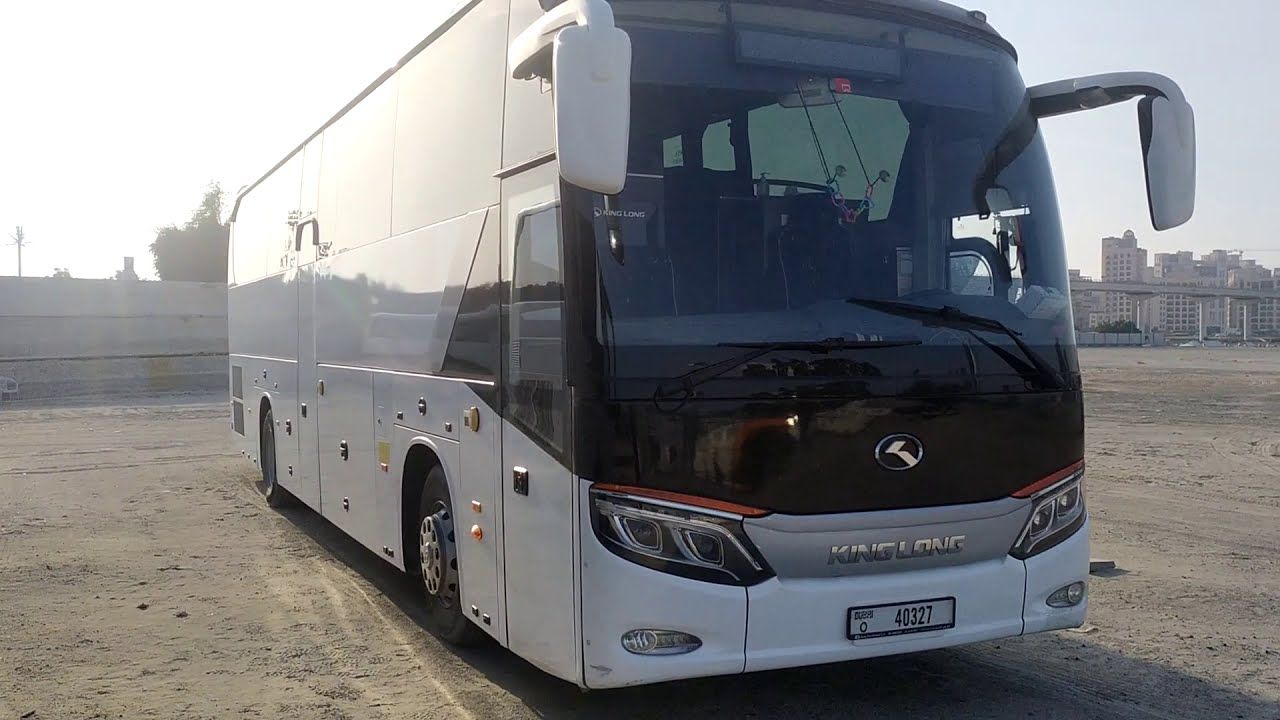
Large coaches are among the most recognizable buses in Dubai. They are built for long-distance travel and group comfort. These buses are commonly used for tourism and intercity movement.
Seating capacity usually ranges from 45 to 50 passengers. Seats are reclinable and spaced for legroom. Air conditioning systems are stronger to handle long journeys.
Key features often include onboard entertainment, luggage compartments, and tinted windows. These coaches support passenger transport solutions that prioritize comfort and efficiency over extended routes.
Large coaches are ideal for:
Tourist group travel
Corporate events and conferences
Airport-to-hotel transfers
Inter-emirate journeys
Their size requires careful route planning. They perform best on highways and wide urban roads.
High-Capacity Buses (55–60 Seaters)
High-capacity buses serve large-scale transport needs. They are commonly used for workforce movement in industrial zones and large construction projects. These buses maximize seating without compromising safety standards.
Seating capacity ranges from 55 to 60 passengers. Interior design focuses on space optimization and airflow. Luggage storage is minimal, as these buses prioritize passenger volume.
They are suitable for:
Labor transport services
Large staff shift movements
Remote site access routes
High-demand daily operations
These buses reduce the number of trips required. This lowers fuel consumption and operational costs per passenger.
Double-Decker Buses (70+ Seaters)
Double-decker buses represent the highest passenger capacity option used in Dubai. They are primarily seen in sightseeing and specialized routes. Their vertical design maximizes seating without increasing road footprint.
Seating capacity often exceeds 70 passengers. Upper decks offer panoramic views, while lower decks provide standard seating. Some models include open-top configurations for tourism.
Operational considerations include height restrictions and route approvals. These buses are not suitable for all roads. They excel on predefined routes with minimal overhead obstacles.
Double-decker buses support urban mobility systems that aim to move large groups efficiently while enhancing passenger experience.
Seating Configuration and Comfort Levels
Seating capacity alone does not define suitability. Seat width, legroom, and aisle space vary across bus types. Luxury coaches focus on comfort. City buses focus on durability and turnover speed.
Some buses include:
Fixed seating with armrests
High-density seating for short trips
Reclining seats for long journeys
Dedicated spaces for limited luggage
The right seating configuration depends on trip duration and passenger expectations. Comfort becomes more critical as travel time increases.
Regulatory Standards and Capacity Compliance
Dubai enforces strict regulations on passenger limits. Each bus has a licensed seating capacity that must not be exceeded. Compliance ensures safety and avoids operational penalties.
Regulatory checks focus on:
Approved seating layout
Emergency exits and access
Air-conditioning efficiency
Passenger load limits
Operators must align bus size with route demand. This supports safer and more predictable transport operations across the city.
Choosing the Right Bus Size for Your Needs
Selecting the right bus size starts with understanding passenger volume and route type. Short urban routes favor smaller buses. Long-distance or high-volume routes need larger capacity vehicles.
Other factors to consider include travel duration, luggage requirements, and road access. Efficient planning reduces costs and improves passenger satisfaction.
Dubai’s transport landscape offers a wide range of bus options. Each size serves a clear purpose within the city’s structured mobility framework. Making informed choices ensures smooth operations and dependable service delivery.
Appreciate the creator