Commercial Plumbing Safety Regulations 2025
Commercial plumbing safety regulations have evolved significantly in 2025, with stricter enforcement and updated standards designed to protect both workers and building occupants. Understanding these regulations is crucial for property managers, business owners, and plumbing contractors to ensure compliance and maintain safe working environments.
Key Safety Standards and Compliance Requirements
The Occupational Safety and Health Administration (OSHA) has strengthened its commercial plumbing safety protocols, emphasizing hazard identification and prevention. All commercial plumbing work must now comply with enhanced safety standards that include mandatory safety training, proper equipment usage, and detailed documentation of safety procedures.
Commercial establishments are required to maintain current safety certifications and conduct regular inspections of their plumbing systems. These inspections must be performed by licensed professionals who can identify potential hazards such as gas leaks, water contamination risks, and structural vulnerabilities that could compromise building safety.
Personal Protective Equipment (PPE) Requirements
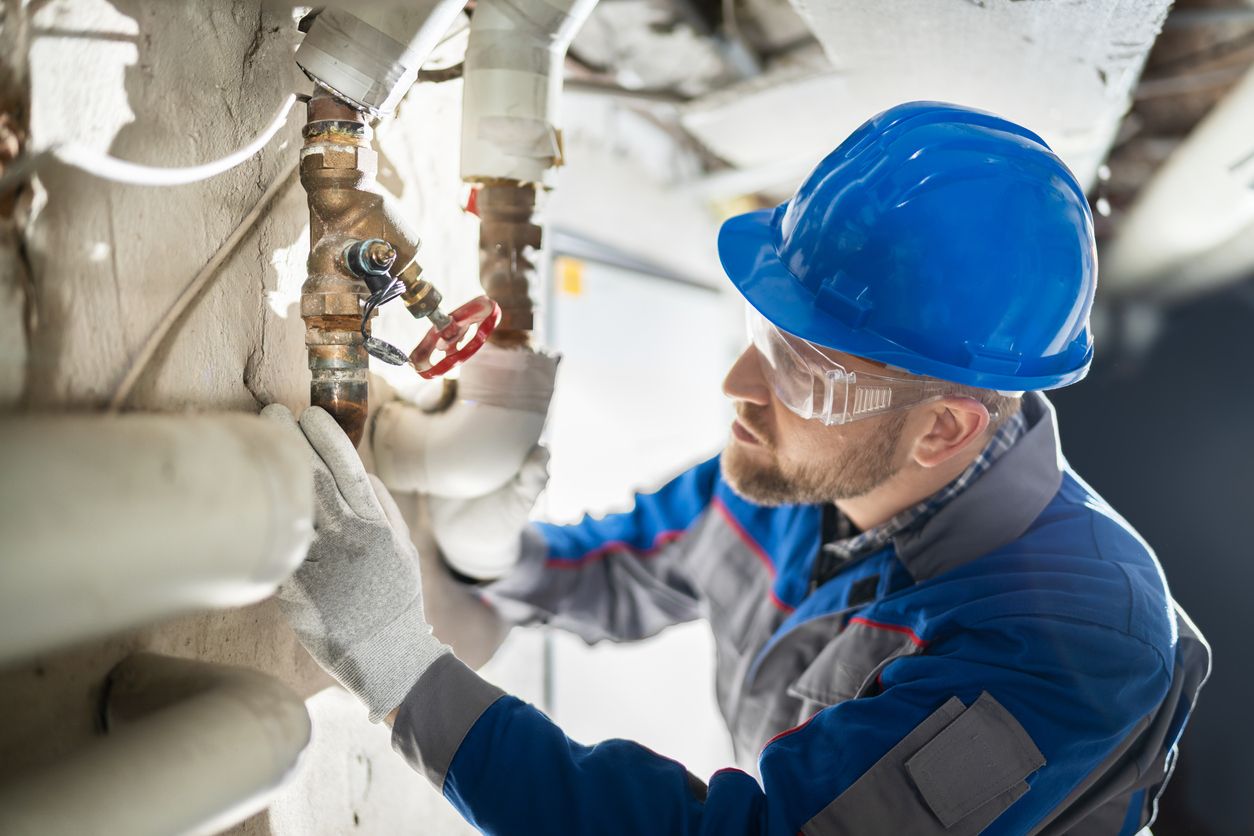
Updated PPE requirements mandate that all commercial plumbing technicians wear appropriate safety gear, including safety glasses, hard hats, non-slip footwear, and chemical-resistant gloves when handling hazardous materials. The regulations now specify that PPE must be inspected daily and replaced according to manufacturer guidelines.
Respiratory protection is mandatory when working in confined spaces or areas with potential chemical exposure. Commercial plumbers must be fitted for respirators and receive proper training on their use, maintenance, and limitations.
Confined Space Entry Protocols
Commercial plumbing often involves working in confined spaces such as underground vaults, crawl spaces, and mechanical rooms. The 2025 regulations require comprehensive confined space entry procedures, including atmospheric testing, continuous monitoring, and rescue plan implementation.
Entry permits must be obtained before any work begins in confined spaces, and a trained attendant must remain outside the space during all operations. Emergency communication systems and rescue equipment must be readily available and properly maintained.
Chemical Handling and Hazardous Materials
Commercial plumbing frequently involves handling chemicals for drain cleaning, pipe maintenance, and water treatment. The updated regulations require detailed safety data sheets (SDS) for all chemicals used, and workers must receive training on proper handling, storage, and disposal procedures.
Spill containment systems must be in place wherever hazardous materials are stored or used. Emergency eyewash stations and safety showers are required in areas where chemical exposure is possible, and these safety devices must be tested weekly to ensure proper operation.
Water Quality and Cross-Connection Control
Backflow prevention has become a critical focus in 2025 regulations, with mandatory testing and certification of all backflow prevention devices in commercial buildings. These devices must be tested annually by certified technicians, and detailed records must be maintained for regulatory compliance.
Cross-connection control programs are now required for all commercial facilities, with regular inspections to identify and eliminate potential contamination sources. Water quality testing must be conducted according to established schedules, with immediate reporting of any issues to local health authorities.
Emergency Response Procedures
Commercial buildings must have comprehensive emergency response plans that address plumbing-related incidents such as major water leaks, sewage backups, and gas leaks. These plans must include evacuation procedures, emergency contact information, and coordination with local emergency services.
Regular emergency drills must be conducted to ensure all building occupants understand their roles during plumbing emergencies. Emergency shut-off valves and controls must be clearly marked and accessible to authorized personnel.
Documentation and Record Keeping
The 2025 regulations emphasize thorough documentation of all safety procedures, training records, and inspection reports. Digital record-keeping systems are encouraged to ensure easy access and retrieval of safety documentation during regulatory inspections.
Incident reporting requirements have been expanded to include near-miss events and minor injuries, helping to identify trends and prevent future accidents. All safety violations must be documented and corrected within specified timeframes.
Conclusion
Compliance with commercial plumbing safety regulations in 2025 requires a proactive approach that prioritizes worker safety and public health. By staying informed about these evolving standards and implementing comprehensive safety programs, commercial property owners and plumbing contractors can create safer work environments while avoiding costly violations and liability issues.
Appreciate the creator