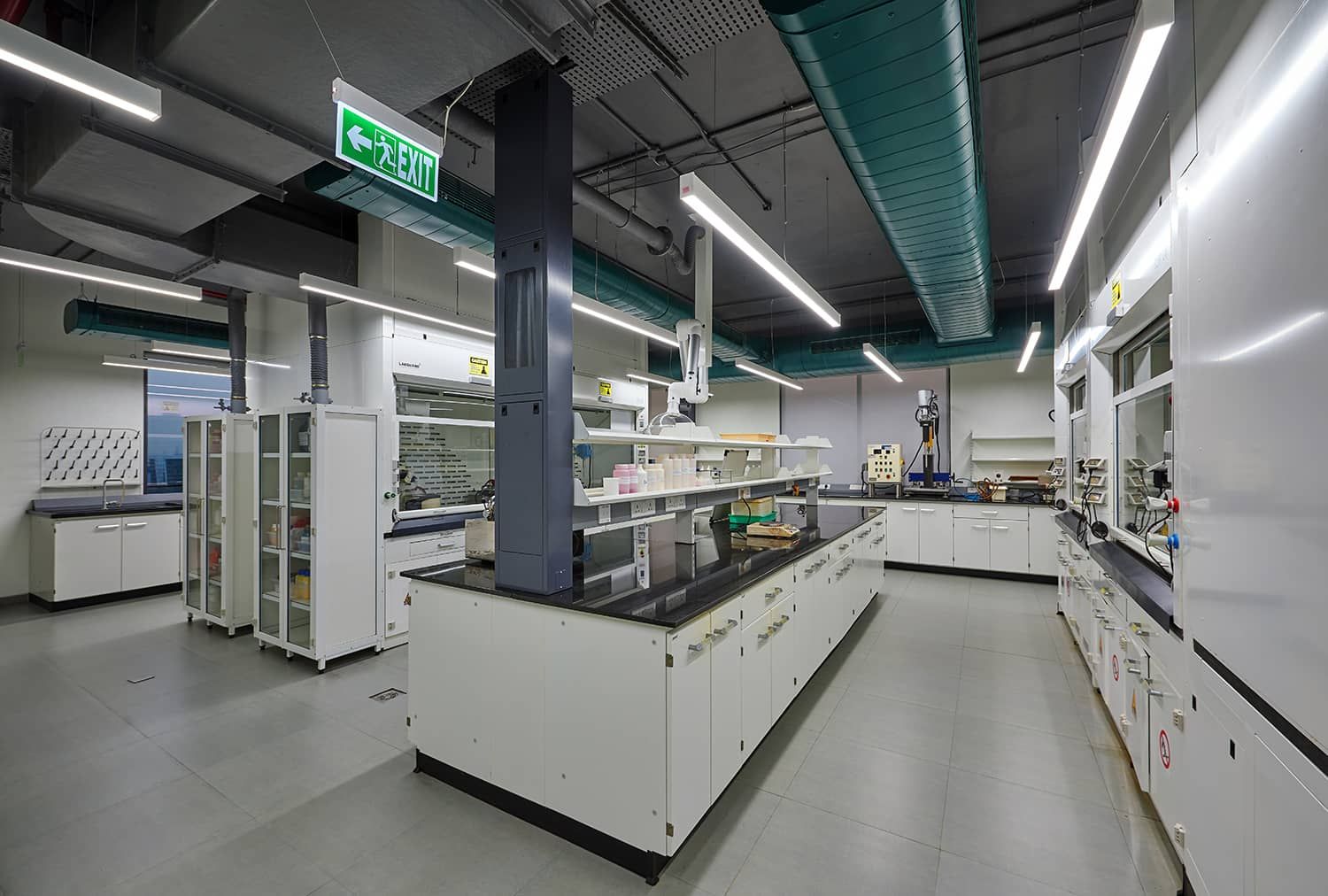
Commercial Laboratory Refurbishment: A Practical Guide for Modern Lab Spaces
Commercial laboratories need to support precise work, efficient workflows and safe day-to-day operations. As equipment, processes and business requirements change, an existing laboratory can quickly become outdated or difficult to use.
Commercial laboratory refurbishment (https://lab-fit.co.uk/lab-refurbishment-and-design/) provides a practical way to improve an existing laboratory without starting again with a completely new building. A well-planned refurbishment can improve the layout, update laboratory furniture, accommodate new equipment and make better use of the available space.
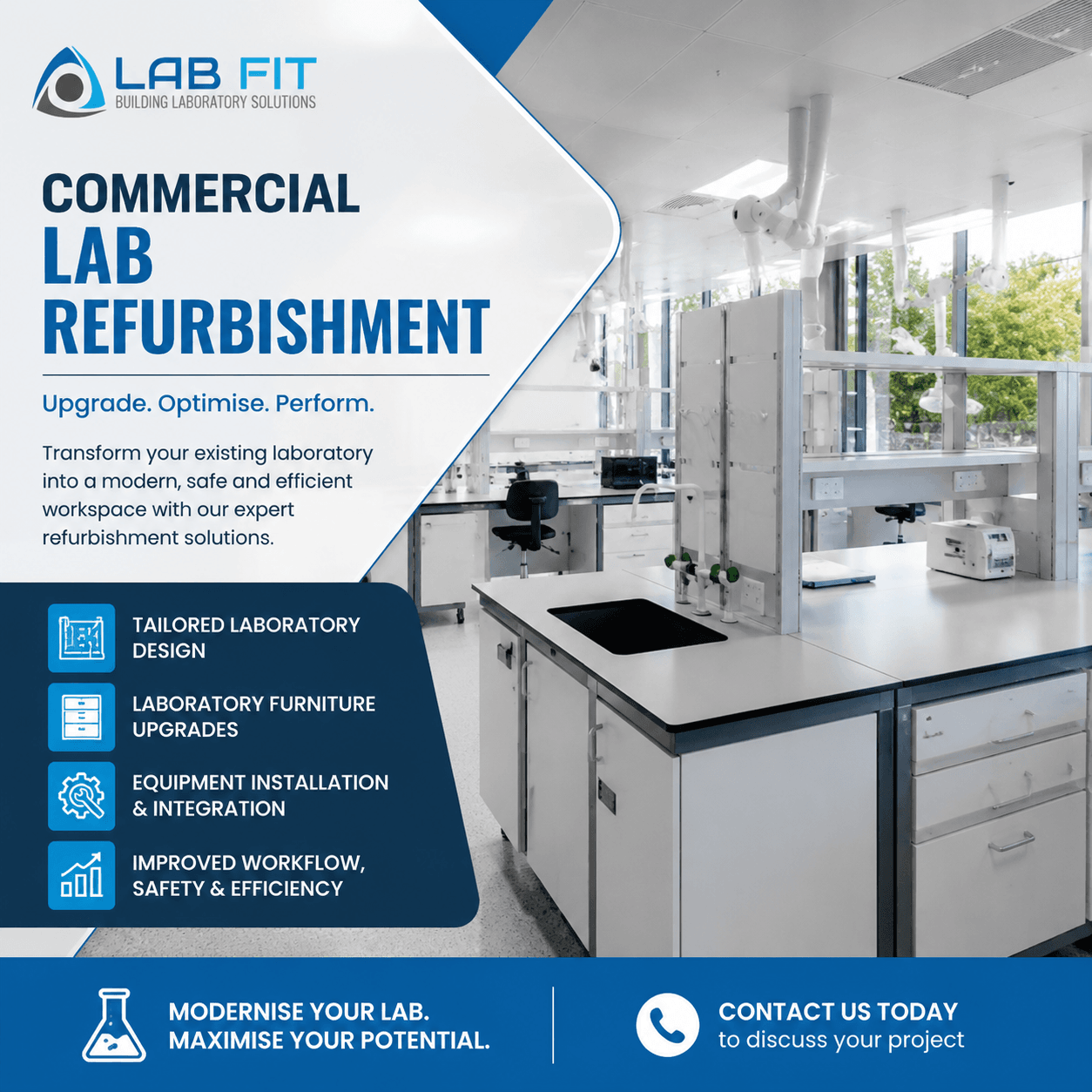
What Is Commercial Laboratory Refurbishment?
Commercial laboratory refurbishment involves upgrading an existing laboratory to improve its functionality, appearance, safety and overall performance.
Depending on the condition and requirements of the facility, refurbishment may include:
Laboratory layout redesign
New laboratory benches and worktops
Storage improvements
Equipment relocation
Electrical and plumbing upgrades
Ventilation and extraction improvements
New flooring and finishes
Workspace optimisation
Laboratory furniture installation
The exact scope depends on the type of laboratory, the work being carried out and the condition of the existing facility.
Why Refurbish an Existing Laboratory?
There are several reasons why a business may decide to refurbish its laboratory rather than move to a new building.
Outdated Layout
An older laboratory layout may no longer suit the way staff work. Equipment may be poorly positioned, storage may be limited and staff may need to move unnecessarily between different areas.
Refurbishment provides an opportunity to redesign the space around current workflows.
New Equipment
Laboratory equipment can change as businesses introduce new technology or expand their services. New equipment may require additional space, electrical connections, water, drainage or ventilation.
A refurbishment can incorporate these requirements into the overall design.
Better Use of Space
Existing laboratory space can often be used more effectively through careful planning. Changing the position of benches, storage and equipment can create a more practical working environment without increasing the building's footprint.
Modernisation
Old furniture, finishes and services can make a laboratory feel outdated and may affect how efficiently the space operates.
Refurbishment can bring the environment up to date while retaining the advantages of the existing building.
What Does a Commercial Laboratory Refurbishment Include?
The scope of a project varies, but several areas are commonly considered.
Laboratory Design and Space Planning
Good planning should begin with understanding how the laboratory is used.
Designers may consider:
Staff movement
Equipment locations
Work areas
Storage
Sample movement
Access requirements
Future expansion
The aim is to create a logical layout that supports the work taking place within the laboratory.
Laboratory Furniture
Laboratory furniture needs to be suitable for the type of work being undertaken.
Refurbishment may involve installing:
Laboratory benches
Worktops
Storage cabinets
Shelving
Mobile workstations
Specialist laboratory furniture
Choosing appropriate materials and configurations can improve both durability and usability.
Equipment Installation
Equipment should be considered early in the refurbishment process.
Some equipment may require dedicated power, water, drainage, ventilation or other services. Planning these requirements before installation helps prevent problems during the project.
Ventilation and Extraction
Depending on the laboratory's activities, ventilation and extraction may be important parts of the refurbishment.
Existing systems can be reviewed to determine whether they remain appropriate for the planned laboratory environment.
Electrical and Plumbing Services
Laboratories often require more complex services than standard commercial spaces.
A refurbishment may include changes to:
Electrical supplies
Lighting
Water connections
Drainage
Specialist services
These elements should be coordinated with the laboratory layout and equipment.
Benefits of Commercial Laboratory Refurbishment
Improved Workflow
A better layout can reduce unnecessary movement and make frequently used areas easier to access.
Better Space Utilisation
Refurbishment can help organisations make more effective use of existing floor space.
Improved Working Environment
Modern furniture, lighting, finishes and storage can create a more practical environment for laboratory staff.
Support for New Equipment
A redesigned laboratory can accommodate new equipment and the services it requires.
Reduced Disruption Compared With Relocation
For some organisations, improving an existing facility can be more practical than moving operations to another building.
How Does the Refurbishment Process Work?
1. Initial Consultation
The project begins by understanding the laboratory's current problems and future requirements.
This may include discussions about workflow, equipment, budget, timescales and planned changes.
2. Site Assessment
The existing laboratory is assessed to understand its condition and identify limitations.
Existing services, access, layout and building conditions can all influence the refurbishment plan.
3. Design and Planning
A suitable laboratory layout is developed based on the requirements identified during the consultation and site assessment.
At this stage, furniture, equipment, services and workflow can be coordinated.
4. Refurbishment and Installation
Once the design has been agreed, the physical refurbishment can begin.
Depending on the project, this may involve building work, furniture installation, service upgrades and equipment installation.
5. Completion
The completed laboratory is checked to ensure the planned work has been carried out and the space is ready for use.
Can a Laboratory Be Refurbished While It Is Still Operating?
In some situations, refurbishment can be completed in phases to reduce disruption to laboratory operations.
The approach depends on the size of the facility, the work required and whether alternative working areas are available.
A phased plan may allow different areas to be refurbished at different times rather than closing the entire laboratory.
Commercial Laboratory Refurbishment for Different Industries
Laboratory requirements vary depending on the industry.
Pharmaceutical Laboratories
Pharmaceutical laboratories may require carefully planned spaces for testing, research, development and quality control.
Biotechnology Laboratories
Biotechnology facilities often need flexible layouts that can accommodate specialist equipment and changing research requirements.
Healthcare Laboratories
Healthcare and diagnostic laboratories need efficient workflows and practical environments that support laboratory testing.
Research Laboratories
Research facilities may benefit from adaptable workspaces that can change as projects and equipment develop.
Educational Laboratories
Universities and other educational facilities may refurbish laboratories to create modern teaching and practical learning environments.
Industrial Laboratories
Industrial laboratories can require dedicated areas for testing, quality control, analysis and product development.
How to Choose a Commercial Laboratory Refurbishment Company
Choosing the right contractor is an important part of the project.
Look for a company with:
Laboratory experience: Specialist laboratory projects have different requirements from standard commercial refurbishment.
Design capability: The contractor should be able to understand your workflow and develop a practical layout.
Installation experience: Coordinating furniture, equipment and building services can make the project more efficient.
Relevant project experience: Previous laboratory projects can demonstrate the contractor's ability to handle similar requirements.
Clear project planning: A defined scope, timeline and communication process can help keep the refurbishment organised.
Why Choose Lab Fit UK?
Lab Fit UK specialises in laboratory design, fit-out and refurbishment services across the UK.
The company provides solutions for research, healthcare, education, biotechnology, pharmaceutical and commercial laboratory environments.
Services include laboratory design, laboratory refurbishment, laboratory furniture, equipment installation, laboratory fit-out and office-to-lab conversions.
By combining design and installation expertise, Lab Fit UK helps organisations transform existing spaces into practical and efficient laboratory environments.
Frequently Asked Questions
What is commercial laboratory refurbishment?
Commercial laboratory refurbishment is the process of upgrading an existing laboratory to improve its layout, functionality, equipment, furniture, services and working environment.
How long does laboratory refurbishment take?
The timeframe depends on the size and complexity of the laboratory, the condition of the existing space and the amount of work required.
Can an old laboratory be modernised?
Yes. An existing laboratory can often be redesigned and upgraded with modern furniture, equipment, services and improved space planning.
Can refurbishment be completed without closing the entire laboratory?
In some projects, work can be phased to minimise disruption. The appropriate approach depends on the facility and the type of refurbishment required.
Does refurbishment include laboratory furniture?
It can. Laboratory refurbishment projects commonly include benches, worktops, storage, shelving and other specialist furniture.
Conclusion
Commercial laboratory refurbishment (https://lab-fit.co.uk/lab-refurbishment-and-design/) can transform an outdated or inefficient workspace into a modern environment that better supports staff, equipment and business requirements.
From laboratory layout and furniture to equipment installation, ventilation and services, every element should be considered as part of the overall refurbishment plan.
Working with an experienced laboratory refurbishment specialist can help ensure that the existing space is improved without losing sight of workflow, functionality and future requirements.
For organisations planning to upgrade an existing laboratory, Lab Fit UK provides specialist laboratory refurbishment, design and fit-out services across the UK.
Appreciate the creator