Classic III vs Lightweight II: Best Stethoscope for EMT Students
Choosing the right stethoscope is one of the first and most important decisions an EMS student will make before stepping into a skills lab or clinical rotation.
The tools a student carries from day one shape how quickly they develop confidence in patient assessment.
MedTech Kits offers two Littmann models that serve different stages of EMS training, each built around a distinct set of clinical priorities.
The Littmann classic iii and the Littmann lightweight ii stethoscope are not interchangeable tools; they represent two different approaches to auscultation for students.
How MedTech Kits Supports EMS Students
MedTechKits exists to remove one of the most common stressors EMS students face: figuring out what gear they actually need and where to get it before their program begins.
The company builds each medkit around the specific requirements of EMS and paramedic training programs, so students are not left guessing which tools are program-appropriate or field-ready.
Whether a student is entering an EMT-Basic program and building foundational assessment skills or advancing into paramedic coursework that demands more clinical range, MedTech Kits carries the right instrument for that stage of training.
The Littmann Classic III: Built for Clinical Versatility
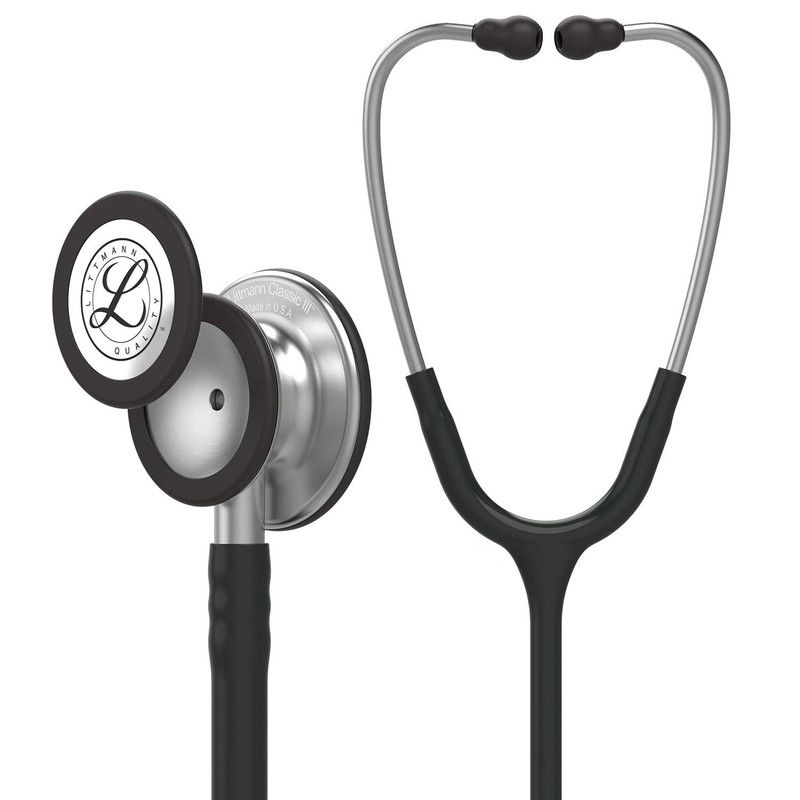
The littmann classic iii stethoscope available through MedTechKits is widely regarded as one of the most capable stethoscopes available at the student level, offering a feature set that extends well beyond the basics.
Its chestpiece includes tunable diaphragms on both the adult and pediatric sides, allowing the user to access different frequency ranges simply by adjusting the pressure applied during auscultation.
That dual-sided, dual-frequency design makes the classic iii a tool that students can use effectively across a broad and varied patient population.
The pediatric side of the classic iii can also be converted into a traditional open bell by replacing the single-piece diaphragm with a non-chill sleeve, adding another layer of flexibility for clinical settings.
The chestpiece itself is precision-machined from stainless steel with a less angular profile and an open side indicator on the stem, details that reduce fumbling during EMS assessments.
The Littmann Lightweight II S.E.: Designed for Comfort
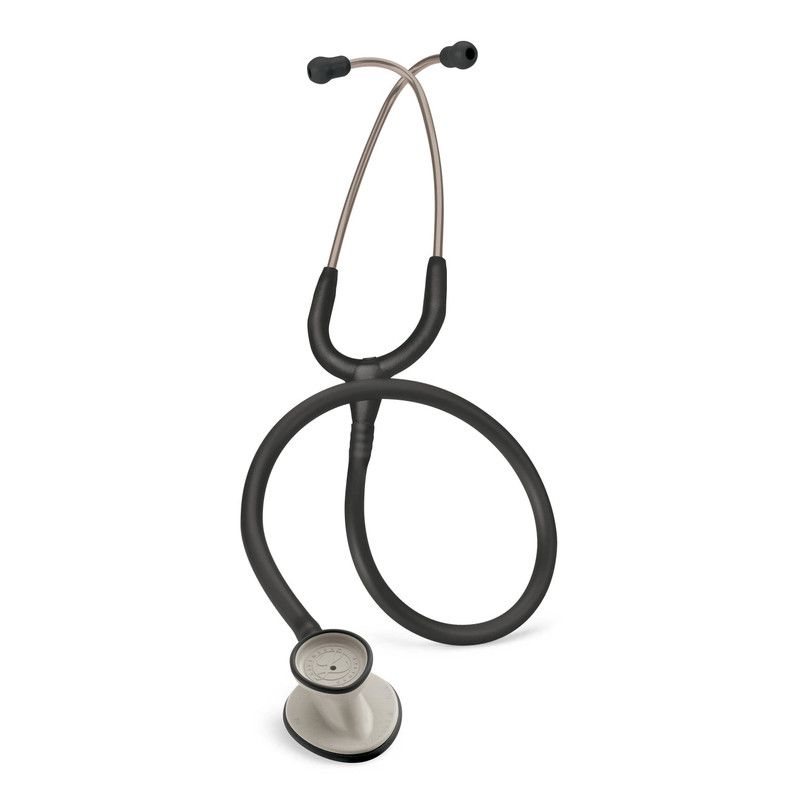
The littmann lightweight ii se stethoscope from MedTechKits approaches stethoscope design from a different angle, prioritizing ease of use, patient comfort, and all-day wearability for students who are just beginning to build their assessment skills.
At 118 grams, it is the lightest stethoscope in the Littmann adult lineup, a distinction that becomes meaningful during long lab sessions and extended clinical shifts.
Its teardrop-shaped chestpiece is specifically engineered to slide easily beneath blood pressure cuffs, making it a natural fit for students whose primary focus is manual vitals practice.
The lightweight ii stethoscope includes a non-chill diaphragm and rim, which prioritizes patient comfort during assessments and allows students to focus on the clinical task rather than managing patient reactions.
Its tubing is built to hold shape and flexibility even when tightly folded, and the adjustable headset with snap-tight soft-sealing eartips ensures a reliable acoustic seal that conforms to individual ear shapes.
How Acoustic Performance Differs Between the Two
The classic iii delivers high acoustic sensitivity capable of detecting both normal and abnormal sounds across a wide spectrum of patients, which is why it is frequently recommended for students who need to identify subtle cardiac and pulmonary findings.
The lightweight ii stethoscope provides clear and reliable acoustic performance that is well matched to the scope of entry-level training, where the primary auscultation tasks involve lung sounds and heart tones during basic physical assessments.
Which One Works Better for Blood Pressure Assessments
Manual blood pressure assessment is a foundational skill in EMS training, and both stethoscopes are built to support it, though they approach the task differently.
The lightweight ii stethoscope was specifically engineered with blood pressure readings in mind, making it a popular choice for standard student clinical kits, and its teardrop chestpiece shape gives it a practical advantage when working around a blood pressure cuff during manual vitals.
The classic iii also performs reliably for blood pressure assessment, and its high acoustic sensitivity can be an advantage when working in noisy environments like an ambulance bay or a crowded skills lab.
What the Weight Difference Means in the Field
At 118 grams, the lightweight ii stethoscope lives up to its name, offering a level of comfort that reduces neck and shoulder fatigue during extended wear.
The classic iii weighs approximately 150 grams, which is still well within a manageable range for most students, and the difference between the two becomes less significant once a student is regularly active in clinical settings.
Color and Customization Options for Each Model
The classic iii is offered in an extensive selection of tube and chestpiece combinations, spanning standard stainless steel finishes, smoke, matte black, champagne, rainbow, mirror, and copper chestpieces across a wide variety of tube colors.
The lightweight ii se stethoscope is available in a more focused color range, currently offered in black, burgundy, caribbean blue, ciel blue, and pearl pink.
Which Stethoscope Should You Add to Your Kit
After examining both models across design, acoustic performance, weight, and use case, the decision comes down to where a student is in their training and what their program requires of them.
Paramedic students and those in advanced EMS programs will find the classic iii better aligned with the clinical demands they will face, such as interpreting complex auscultations alongside a lifepak simulator, including pediatric assessments and high-sensitivity sound detection in challenging environments.
EMT students and those entering allied health programs who need a reliable, comfortable, and purpose-built entry-level instrument will find the lightweight ii stethoscope meets their needs precisely.
Frequently Asked Questions
Q1. Is the Littmann lightweight ii good enough for actual patient assessments, or is it mainly for practice labs?
The lightweight ii stethoscope is absolutely capable of handling real patient assessments in both classroom and clinical environments. Many EMT students and healthcare professionals use it daily for blood pressures, lung sounds, and general patient evaluations.
Q2. Which of these stethoscopes works better in loud places like ambulances or busy emergency rooms?
Noisy environments can make auscultation difficult, especially when trying to hear subtle breath or heart sounds. The classic iii performs noticeably better in these situations because its higher acoustic sensitivity helps isolate sounds more clearly from surrounding noise.
Q3. Can the lightweight ii hear lung sounds clearly enough during EMS field assessments?
The lightweight ii stethoscope is designed to support the level of auscultation expected during entry-level EMS practice. Students can clearly assess normal breath sounds as well as many common abnormal findings while learning patient assessment skills.
Q4. Is there a noticeable comfort difference between the eartips on these two stethoscopes?
Both models include soft-sealing eartips that are designed to sit comfortably while maintaining a strong acoustic seal. The classic iii includes multiple eartip sizes, which helps students customize the fit more precisely for long shifts or extended classroom sessions.
Additional EMS Tools and Resources
1. Best MedTechKits Stethoscope Setup for Paramedic Students
2. Trauma Shears for EMTs: Finding the Right Pair for EMS Training
Appreciate the creator