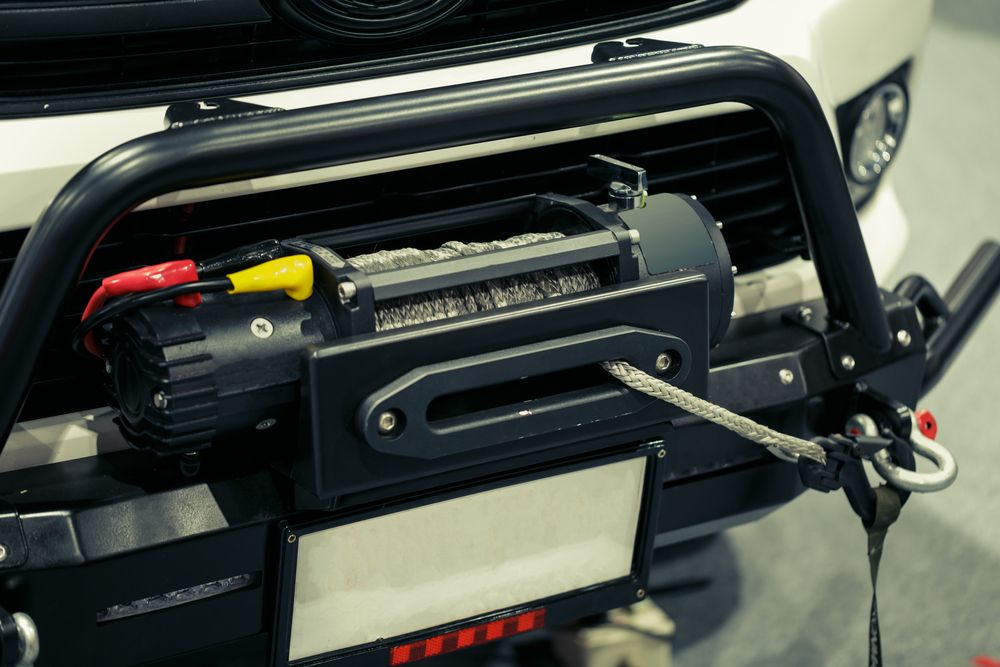
Choosing the Right 4x4 Winch for Your Vehicle
When you’re venturing off-road in Australia, one essential piece of recovery gear that can make all the difference between an adventure and a rescue mission is a 4x4 winch. Whether you’re tackling the sandy dunes of Fraser Island, muddy tracks in the High Country, or rugged trails in the outback, the right winch can get you out of tough spots safely and efficiently.
This guide will walk you through everything you need to know about choosing the right 4x4 winch for your vehicle—from winch types and sizes to installation tips and maintenance—so you can explore with confidence.
Understanding What a 4x4 Winch Does
A 4x4 winch is a mechanical device that pulls heavy loads by winding a cable or rope around a drum. It’s usually mounted on the front (and sometimes the rear) of a 4WD vehicle. The winch uses either electric or hydraulic power to help recover your vehicle when stuck in mud, sand, or snow.
In Australia’s varied terrain, having a dependable winch can mean the difference between getting home on time or spending the night stranded in the bush.
Types of 4x4 Winches
When selecting a 4x4 winch, you’ll typically come across two main types:
1. Electric Winches
These are the most popular choice among off-road enthusiasts in Australia. They are powered by the vehicle’s battery and controlled using a wired or wireless remote.
Advantages:
Easy to install and operate.
Ideal for recreational off-roading.
Can be used even when the engine is off (for short durations).
Disadvantages:
Can drain your battery if used excessively.
Requires regular maintenance of the electrical system.
2. Hydraulic Winches
These run off the power steering pump and are often found on heavy-duty or commercial recovery vehicles.
Advantages:
Can operate continuously without overheating.
Extremely reliable for professional or frequent recovery use.
Disadvantages:
More complex installation.
Generally more expensive.
Choosing the Right Capacity for Your 4x4 Winch
Winch capacity is one of the most critical factors. It determines how much weight your winch can safely pull. A common rule of thumb is to select a winch rated at 1.5 times the Gross Vehicle Weight (GVW) of your 4WD.
For example:
If your 4WD weighs 3,000 kg (including gear and passengers), choose a winch with at least a 4,500 kg (9,900 lbs) rating.
Popular capacities for Australian 4x4s include 9,000 lbs, 12,000 lbs, and 15,000 lbs, depending on your vehicle size and terrain conditions.
Steel Cable vs Synthetic Rope
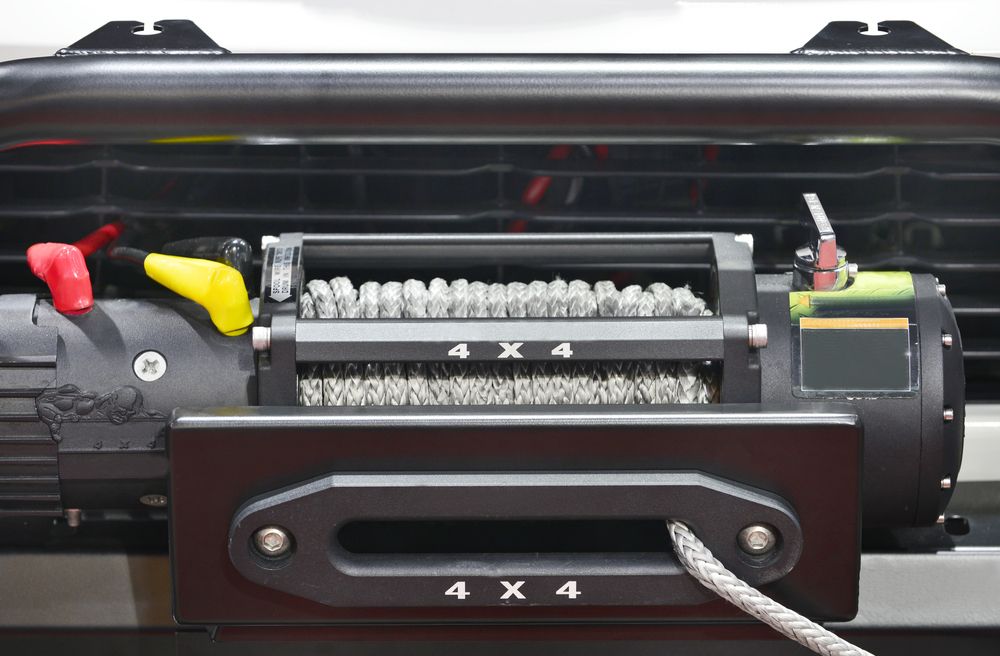
When choosing a 4x4 winch, you’ll also need to decide between steel cable and synthetic rope.
Steel Cable
Durable and heat-resistant.
Ideal for rocky terrain or frequent use.
Requires gloves for handling due to frayed wire risk.
Synthetic Rope
Lightweight and safer if it snaps.
Easier to handle and floatable in water.
More vulnerable to UV and abrasion damage.
For most Australian off-roaders, synthetic rope is a preferred option because it’s easier to manage and safer in recovery situations.
Installation and Mounting Considerations
Proper installation ensures your 4x4 winch performs safely and efficiently.
Use a winch-compatible bull bar or mounting plate rated for your winch’s capacity.
Check that your battery and alternator can handle the power draw of an electric winch.
Ensure the winch line spools evenly to prevent damage or tangling.
In Australia, some states may have regulations around bull bar and winch mounting safety. Always check with your local road authority before installation to ensure compliance.
Maintenance and Safety Tips
Regular maintenance keeps your winch reliable when you need it most:
Inspect cables or ropes for wear and fraying.
Keep connections clean and free from corrosion.
Run your winch monthly to prevent motor seizing.
Avoid overloading beyond its rated capacity.
Carrying essential accessories like snatch blocks, tree trunk protectors, and recovery gloves can make your recovery operations safer and more effective.
Questions and Answers: Common Questions About 4x4 Winch in Australia
1. What size 4x4 winch should I get for my ute or SUV?
Choose a winch with a load rating at least 1.5 times your vehicle’s weight. For mid-sized utes like the Toyota Hilux or Ford Ranger, a 12,000 lbs winch is ideal.
2. Can I install a 4x4 winch myself?
Yes, if you have the right tools and follow safety procedures. However, many Australians prefer professional installation to ensure proper wiring and mounting.
3. Is a synthetic rope better for Australian conditions?
Yes, for most regions. Synthetic ropes perform well in sand and mud, are lightweight, and safer if they break during recovery.
4. Do I need special electrical upgrades for an electric winch?
If your winch has high power draw, you may need a dual-battery setup or a higher-output alternator to prevent draining your vehicle battery.
5. Are 4x4 winches legal on public roads in Australia?
Yes, but they must be securely mounted and comply with Australian Design Rules (ADR) for front protection systems. Check your state’s guidelines for specific regulations.
Conclusion: Your Path to a Successful 4x4 Winch in Australia
A 4x4 winch is more than just a recovery tool—it’s your lifeline when exploring Australia’s rugged landscapes. Choosing the right type, capacity, and setup ensures you can travel safely and confidently across diverse terrains.
Before purchasing, assess your vehicle’s weight, preferred terrain, and power system. Consider reputable local suppliers who understand Australian off-road conditions and can provide quality gear and installation support.
With proper care and the right winch setup, your 4x4 will be ready to tackle any challenge—whether you’re conquering Cape York, exploring the Simpson Desert, or navigating the Victorian Alps. Invest wisely, maintain it well, and your 4x4 winch will serve you reliably for years of adventures ahead.
Appreciate the creator