
Causes, Symptoms, and Treatment for Congenital Heart Disease
What is Congenital Heart Disease?
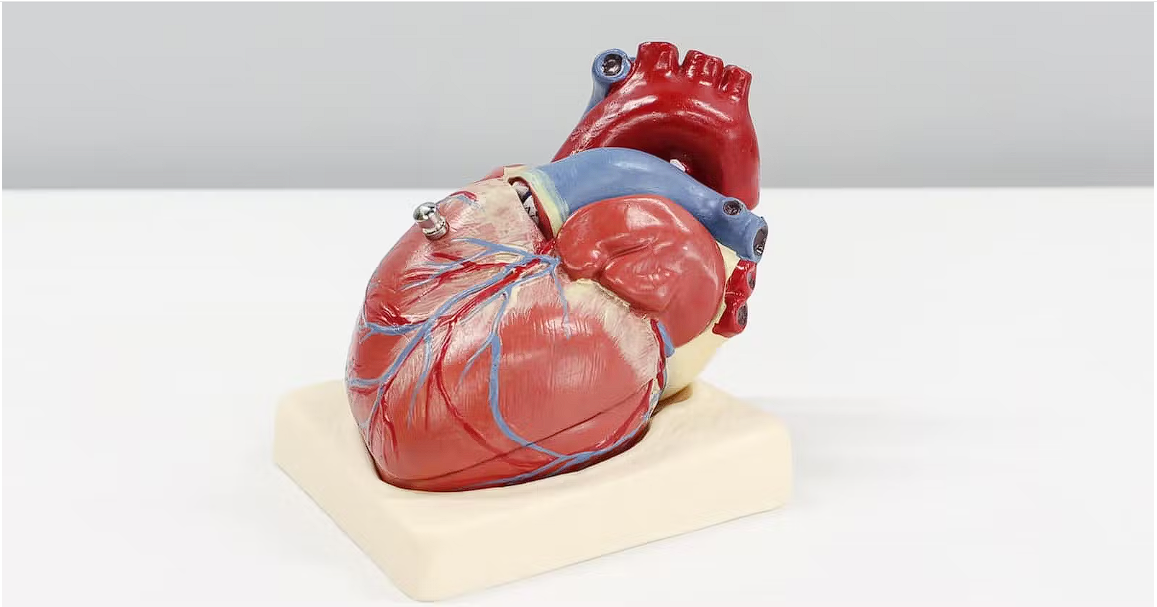
Congenital Heart Disease (CHD) stands as one of the most prevalent birth defects, affecting millions of individuals worldwide. This comprehensive blog is designed to illuminate various aspects of CHD, encompassing its origins, symptoms, diagnosis, and treatment alternatives. Our mission is to enhance comprehension of this condition, rally behind those affected and their families, and advocate for improved healthcare for those living with CHD.
Understanding Congenital Heart Disease:
Congenital heart disease denotes structural anomalies within the heart that manifest from birth, impacting both pediatric and adult populations. These anomalies can influence blood circulation, heart walls, valves, blood vessels, and the heart's electrical system. While certain cases are mild, intricate defects can lead to potentially life-threatening complications. The good news is that advancements in diagnosis and treatment have elevated survival rates. Effective management of congenital heart disease involves ongoing medical attention, encompassing regular checkups, medication, and surgical interventions when necessary. Adults with congenital heart disease should consult their healthcare provider to determine the appropriate frequency of checkups tailored to their specific condition.
Origins and Risk Factors of Congenital Heart Disease:
The genesis of most congenital heart defects traces back to developmental changes occurring in the early stages of fetal heart formation. Although the exact triggers remain elusive, specific risk factors have been identified:
1. Rubella (German measles): Contracting rubella during pregnancy can impact fetal heart development. Immunity can be ascertained through a blood test, and vaccination is available for non-immune individuals.
2. Diabetes: Maintaining meticulous blood sugar control before and during pregnancy can diminish the risk of congenital heart defects. Generally, gestational diabetes doesn't significantly heighten the risk of heart anomalies.
3. Medications: Certain medications taken during pregnancy could elevate the risk of birth defects, including congenital heart issues. It's vital to furnish your healthcare provider with a comprehensive list of medications prior to conceiving. Medications linked to increased risk include thalidomide, ACE inhibitors, statins, isotretinoin, specific epilepsy drugs, and certain anxiety medications.
4. Alcohol consumption during pregnancy: Drinking alcohol during pregnancy amplifies the likelihood of congenital heart defects.
5. Smoking: Ceasing smoking is imperative for pregnant individuals or those planning pregnancy, as smoking during this period raises the risk of congenital heart defects.
6. Family history and genetics: Congenital heart defects may have a hereditary component and can be associated with genetic syndromes. Down syndrome, marked by an extra 21st chromosome, is often correlated with these defects. Furthermore, chromosomal deletions, such as on chromosome 22, can also contribute.
Recognizing these risk factors empowers expectant parents and healthcare providers to adopt preventive measures and administer suitable care, reducing the chances of congenital heart defects and ensuring the well-being of the infant.
Common Varieties of CHD (Congenital Heart Disease)
The initial six weeks of pregnancy are pivotal for the formation of the fetal heart and major blood vessels. During this critical phase, congenital heart defects may manifest. While the precise causes of most defects remain uncertain, factors like genetics, medical conditions, medications, and lifestyle choices such as smoking may play a role.
Congenital heart defects encompass diverse types, falling under categories like abnormal heart or blood vessel connections and issues with congenital heart valves. Altered connections can disrupt normal blood flow, resulting in a mixture of oxygen-poor and oxygen-rich blood, placing added strain on the heart and lungs. Examples include atrial septal defects, ventricular septal defects, patent ductus arteriosus, and anomalous pulmonary venous connection. Congenital heart valve problems involve malfunctions in valves hindering smooth blood flow. These include narrowed valves (stenosis) or imperfect valve closure (regurgitation). Conditions like aortic stenosis, pulmonary stenosis, and Ebstein anomaly are part of this category.
Complex cases may involve combinations of congenital heart defects, leading to significant alterations in blood circulation or underdeveloped heart chambers. Tetralogy of Fallot, pulmonary atresia, tricuspid atresia, transposition of the great arteries, and hypoplastic left heart syndrome exemplify such intricate conditions.
Symptoms and Diagnosis for CHD
Symptoms of CHD can vary based on defect severity and type. Common indicators encompass cyanosis (bluish skin tint), rapid breathing, poor feeding, fatigue, delayed growth, and recurrent respiratory infections. Diagnosis entails physical examinations, medical imaging (such as echocardiography), and sometimes genetic testing.
Treatment Avenues for Congenital Heart Disease:
Treatment for congenital heart disease hinges on the specific defect and its severity. Options include:
1. Medication: Medications aid in symptom management, heart rhythm regulation, enhanced heart function, and prevention of associated complications.
2. Catheter-based interventions: These procedures aim to widen narrowed blood vessels or repair faulty heart valves, promoting improved blood flow and symptom reduction. Minimally invasive methods, like balloon angioplasty or valve repair via catheter insertion, are utilized.
3. Open-heart surgery: Complex cases necessitate corrective measures like structural anomaly repairs, heart valve replacements or repairs, septal defect closures, or blood flow rerouting. Surgical interventions augment heart function and alleviate symptoms.
4. Multiple procedures: Especially relevant for growing children as their bodies evolve. Ongoing follow-ups aid in identifying additional interventions as required.
For severe congenital heart defects, early detection and prompt treatment are pivotal. Treatment may comprise a blend of medications, heart procedures, surgeries, or even heart transplants in critical cases. The goal is to ensure optimal outcomes and enhance quality of life for individuals with CHD.
Living with Congenital Heart Disease:
Individuals with CHD necessitate sustained care and vigilance. Regular cardiologist appointments, adherence to medication regimens, and lifestyle modifications, including a balanced diet and exercise regimen, are pivotal for condition management and complication prevention. Emotional and social support for patients and their families is equally vital.
Advancements and Prospects at Premier Multispecialty Hospitals:
At our best multispecialty hospital, strides in medical technology, surgical techniques, and overall care have significantly enhanced outcomes for those grappling with Congenital Heart Disease. Our dedicated team, comprising cardiologists, cardiac surgeons, and specialized healthcare professionals, is committed to delivering comprehensive care to CHD patients.
At our best multispecialty hospital, strides in medical technology, surgical techniques, and overall care have significantly enhanced outcomes for those grappling with Congenital Heart Disease. Our dedicated team, comprising cardiologists, cardiac surgeons, and specialized healthcare professionals, is committed to delivering comprehensive care to CHD patients.
Secure your appointment now at one of the finest multispecialty hospitals.
Numerous children born with CHD mature into fulfilling lives. Thanks to our early identification, timely interventions, and continuous medical oversight. Our cutting-edge facilities and personalized treatment strategies are geared towards optimizing health for CHD patients through lifelong management and consistent monitoring.
Conclusion:
Congenital heart disease presents a multifaceted challenge that necessitates a multidisciplinary approach encompassing diagnosis, treatment, and sustained care. Heightened awareness, timely identification, and specialized healthcare access hold the potential to substantially enrich the lives of individuals grappling with CHD. Through research support, awareness campaigns, and backing for affected individuals and their families, a positive impact can be made, securing a brighter future for those living with congenital heart disease.
Explore More Articles on itimesbiz for further insights.
Appreciate the creator