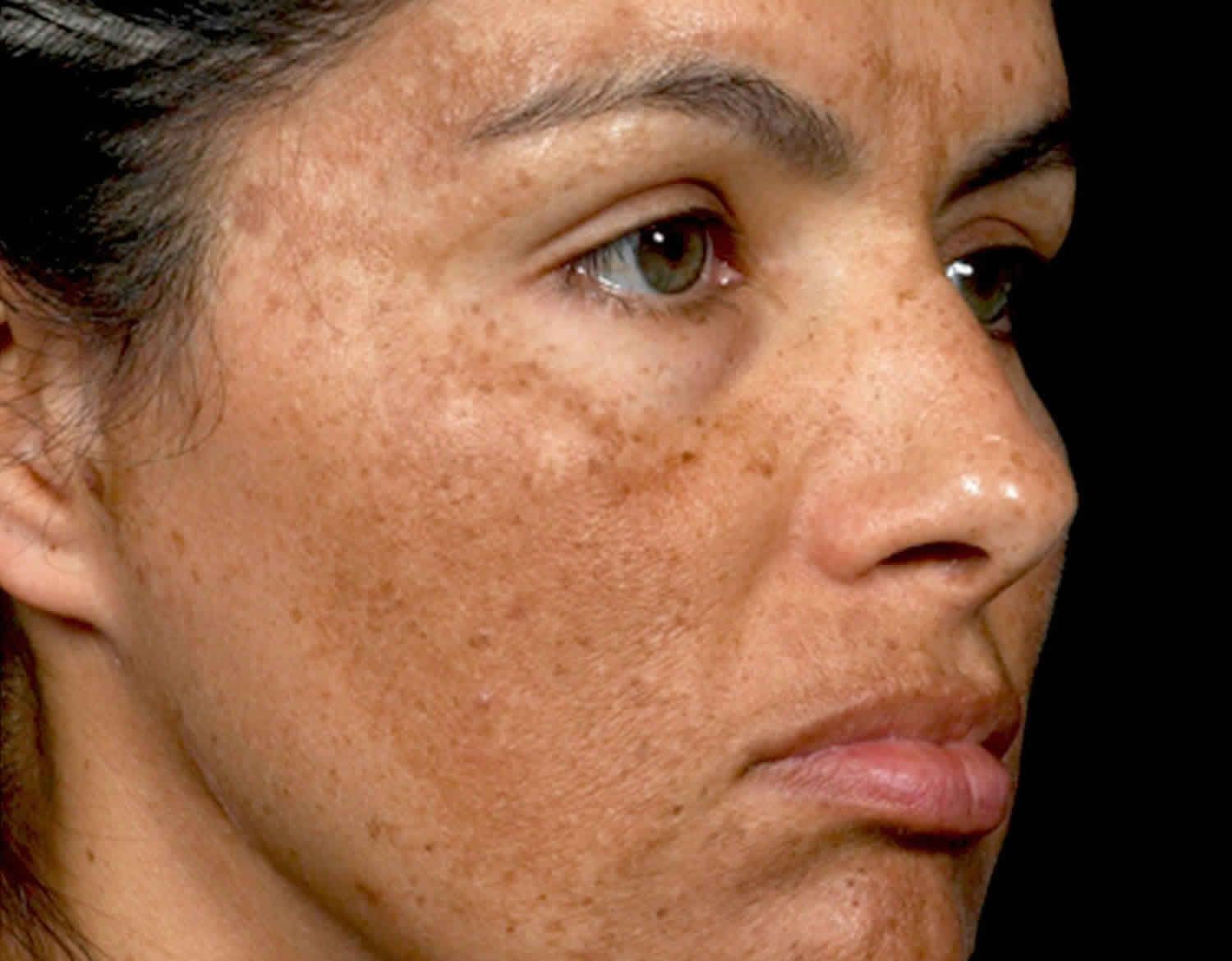
Can hyperpigmentation happen anywhere on the body?
Hyperpigmentation is a common skin concern that appears as darkened patches or spots on the skin due to excess melanin production. While it is often associated with facial discoloration, it’s important to understand that hyperpigmentation can affect almost any part of the body. Fortunately, with advanced dermatological care like the specialized individuals can effectively address these issues regardless of the affected area.
What Causes Hyperpigmentation Across Different Body Parts?
Hyperpigmentation can be triggered by several factors, such as sun exposure, hormonal changes, skin injuries, certain medications, and inflammatory conditions like acne or eczema. Different types of hyperpigmentation—including melasma, post-inflammatory hyperpigmentation, and sunspots—can emerge on various body parts depending on the root cause.
1. Face and Neck
These areas are most commonly affected due to their consistent exposure to UV rays. Melasma, often seen in pregnant women or those on birth control, typically appears on the cheeks, forehead, and upper lip.
2. Arms and Hands
The forearms and backs of the hands are also exposed frequently to sunlight. Sunspots, also known as age spots, are prevalent in these regions due to cumulative sun damage over time.
3. Back and Chest
Hyperpigmentation on the chest or back may develop due to acne, allergic reactions, or other skin traumas. These areas are particularly susceptible to post-inflammatory hyperpigmentation (PIH).
4. Underarms, Elbows, and Knees
These body parts often experience friction, shaving, or irritation from deodorants. This mechanical irritation can stimulate melanocytes, leading to darker skin.
5. Bikini Line and Inner Thighs
Darkening in intimate areas can result from chafing, tight clothing, or hormonal imbalances. This is especially common in individuals with medium to dark skin tones.
6. Legs and Feet
Conditions like PIH or venous stasis (in which blood pools in the lower legs) may contribute to dark patches on the legs and feet. Bug bites, injuries, or shaving may also cause discoloration.
How to Diagnose and Treat Hyperpigmentation on the Body
A proper diagnosis by a dermatologist is essential to identify the underlying cause and type of hyperpigmentation. Skin assessments may include visual inspection, Wood’s lamp examination, or even biopsies in rare cases.
When it comes to treating pigmentation concerns beyond the face, several options are available, including:
Topical treatments like hydroquinone, retinoids, and vitamin C
Chemical peels to exfoliate the upper skin layers
Laser treatments and IPL therapy for deep pigmentation
Microneedling combined with serums for collagen stimulation
Understanding the Hyperpigmentation Treatment in Islamabad can help you explore options suited to your specific needs and skin type.
Are All Hyperpigmentation Treatments Effective on the Body?
While facial skin responds well to most cosmetic treatments, body skin is thicker and may require stronger or more frequent sessions for optimal results. Patience is key, as it may take several weeks or even months for noticeable improvement depending on the body area involved.
Additionally, maintenance treatments and strict sun protection are crucial to prevent recurrence. Broad-spectrum sunscreen, wearing protective clothing, and avoiding harsh chemicals can greatly support long-term results.
Why Seek Professional Help for Body Hyperpigmentation?
Treating hyperpigmentation on the body requires a tailored approach based on skin type, location, and severity. Over-the-counter products may not be potent enough to treat deep or extensive pigmentation, which is why consulting a certified dermatologist or cosmetic specialist is highly recommended.
At the heart of successful outcomes is expert care that targets both the symptoms and underlying causes. Clinics offering comprehensive diagnostic and therapeutic solutions can significantly enhance your skin’s clarity and health.
Conclusion
Yes, hyperpigmentation can indeed occur anywhere on the body—from exposed areas like the face and arms to more intimate or friction-prone regions. Identifying the cause, choosing the appropriate treatment, and maintaining a consistent skincare routine are all crucial steps toward restoring your natural skin tone.
If you’re struggling with stubborn dark patches or uneven skin tone, consider seeking professional help from trusted experts at Royal Cosmetic Surgery PK, where personalized care and state-of-the-art solutions ensure optimal skin rejuvenation
Appreciate the creator