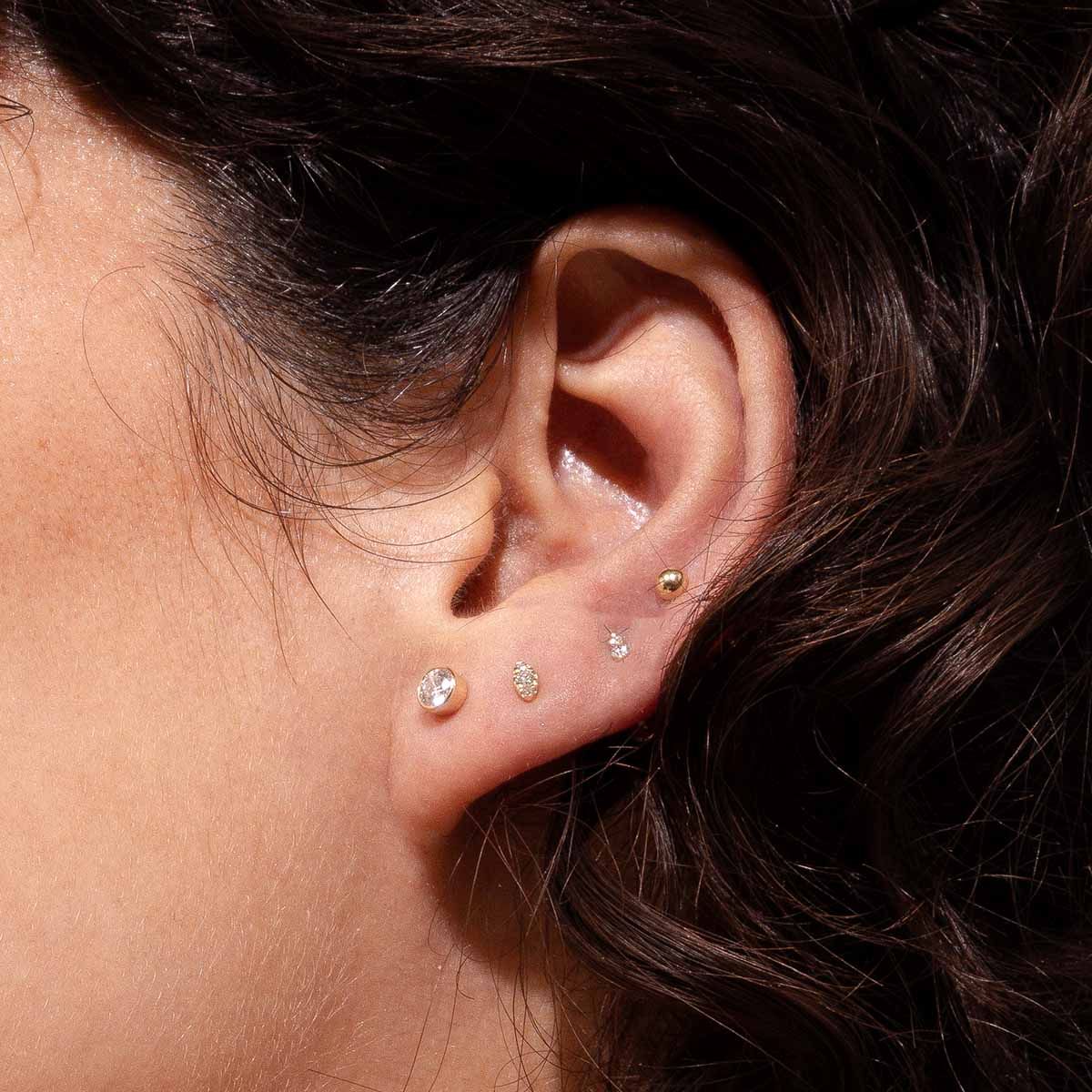
Can Ear Piercing Jewelry Cause Tearing?
Ear piercing is a popular form of body modification that has been embraced worldwide for centuries. While it is often considered a simple and relatively safe procedure, concerns sometimes arise regarding the impact of wearing ear piercing jewelry, particularly about tearing of the earlobe or surrounding tissue. This article explores the relationship between ear piercing jewelry and the potential for tearing, examining how and why it might occur. Let's delve into Ear Piercing Dubai
Understanding Ear Piercing Jewelry
Types of Jewelry Used in Ear Piercing
Jewelry used in ear piercings comes in various shapes, sizes, and materials. Common types include studs, hoops, barbells, and dangles. The design and weight of the jewelry can affect how it interacts with the pierced tissue over time.
Materials and Their Impact on Tissue
Different materials used for ear piercing jewelry, such as metals and plastics, vary in weight and rigidity. Heavier or rigid jewelry may place more strain on the pierced area, which could contribute to tissue stress. However, the material alone does not inherently cause tearing; it is often related to other factors like jewelry size and handling.
How Ear Piercing Jewelry May Lead to Tearing
Mechanical Stress and Trauma
One of the primary ways jewelry can cause tearing is through mechanical stress or trauma. This occurs when the jewelry catches on objects, is pulled accidentally, or experiences sudden force. For example, snagging the earring on clothing or hair can place excessive tension on the piercing, leading to a tear.
Weight and Size of Jewelry
Heavy or large jewelry pieces can increase the strain on the pierced tissue. The earlobe, being a soft and flexible part of the body, can only support a certain amount of weight before the skin starts to stretch or weaken. Over time, this continuous pressure can cause thinning of the tissue and increase the likelihood of tearing.
Improper Jewelry Fit
Jewelry that does not fit properly, such as earrings that are too tight or too loose, may also contribute to tearing. Tight jewelry can irritate the skin and reduce blood flow, weakening the tissue. Conversely, loose jewelry may move excessively and cause friction, both of which can compromise the integrity of the piercing.
Factors That Increase the Risk of Tearing
Location of the Piercing
The placement of the piercing can influence the risk of tearing. Earlobe piercings tend to be more susceptible because the tissue is softer and more pliable. Cartilage piercings, while different in structure, can still experience trauma that might lead to tears, especially if the jewelry is bulky or catches on something.
Activity Levels and Lifestyle
Individuals with active lifestyles or those frequently involved in physical activities may inadvertently expose their ear piercings to higher risks of trauma. Sports, vigorous movements, or accidental pulls can increase the chance of jewelry-related tearing.
Jewelry Changes and Handling
Frequent removal and reinsertion of earrings can stress the piercing hole. Rough handling or improper techniques when changing jewelry may cause small tears or irritation, which over time might develop into larger tissue damage.
Types of Tearing Related to Ear Piercing Jewelry
Partial Tears
Partial tearing occurs when the tissue around the piercing hole is stretched or torn but not completely severed. This can result in pain, bleeding, or a widened hole that may not heal properly if left untreated.
Complete Tears
A complete tear happens when the tissue is fully split, potentially causing the earring to fall out or the piercing to close. This type of tear often requires medical intervention to heal properly and prevent permanent damage or scarring.
Stretching and Elongation
Although not a tear in the strict sense, continuous pressure from heavy or large jewelry can cause the piercing hole to stretch or elongate. This may eventually lead to thinning of the earlobe tissue and increase susceptibility to tearing.
Preventing Jewelry-Related Tearing
Choosing Appropriate Jewelry Size and Weight
Selecting jewelry that is lightweight and appropriately sized for the piercing can reduce undue stress on the tissue. Smaller and lighter pieces place less tension on the earlobe or cartilage, helping maintain tissue strength.
Avoiding Trauma and Accidental Pulling
Being cautious to avoid snagging earrings on clothing or hair, and preventing accidental pulls, can significantly decrease the risk of tearing. Awareness during activities such as dressing or physical exercise is important to protect the piercing.
Proper Handling and Jewelry Changes
Gentle handling when removing or inserting earrings is crucial. Abrupt or forceful movements should be avoided to prevent irritation or damage to the piercing hole.
Monitoring for Early Signs of Tissue Stress
Early detection of discomfort, redness, or slight elongation of the piercing hole can help in taking preventive action before tearing occurs. Removing heavy jewelry temporarily and allowing the tissue to recover can be beneficial.
What Happens When Tearing Occurs?
Immediate Response to Tearing
If a tear happens, stopping any bleeding by applying gentle pressure is the first step. Cleaning the area with mild antiseptic solutions may help reduce the risk of infection. Seeking professional care to assess the damage and recommend appropriate treatment is advised.
Healing Process
Tissue healing after a tear depends on the severity of the injury. Minor tears may heal naturally if kept clean and protected, while more severe tears could require suturing or other medical interventions.
Impact on Future Piercings
Severe tearing can lead to scarring or changes in the earlobe shape, potentially complicating future piercing attempts. Adequate healing time and professional advice are important before considering a new piercing in the same area.
Conclusion
Ear Piercing in Dubai, particularly when heavy, large, or handled improperly, can contribute to tearing of the pierced tissue. Mechanical stress, accidental trauma, and improper fit are the main factors that increase the risk. Awareness and careful management of jewelry can help maintain the health and integrity of ear piercings and minimize the chance of tearing. In the event of a tear, appropriate care and professional consultation are important to ensure proper healing and prevent further complications.
Appreciate the creator