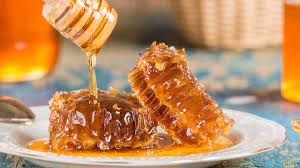
Can Dogs Eat Honey? a Complete Guide for Pet Owners

As dog owners, we all want to make sure our furry friends are healthy and happy. With so many different types of food and treats available, it can be difficult to know what is safe for our pets to eat. One common question that arises is whether or not dogs can eat honey. In this article, we will explore the benefits and risks of feeding honey to your dog, as well as some precautions to keep in mind.
Table of Contents
Why Do People Give Honey to Dogs?
Is Honey Safe for Dogs to Eat?
The Health Benefits of Honey for Dogs
The Risks of Feeding Honey to Dogs
How to Safely Feed Honey to Your Dog
Alternatives to Honey for Dogs
Conclusion
FAQs
Why Do People Give Honey to Dogs?
Honey has been used as a natural remedy for various health conditions for thousands of years. It contains antioxidants, enzymes, and other beneficial nutrients that can help to boost the immune system, soothe sore throats, and even aid in digestion. Some dog owners believe that feeding their pets honey can provide similar health benefits.
Is Honey Safe for Dogs to Eat?
In general, honey is safe for dogs to eat in small amounts. However, there are some risks to keep in mind. Like all sweeteners, honey is high in sugar and can contribute to weight gain and dental problems if given in excess. Additionally, some types of honey may contain toxins that can be harmful to dogs, such as grayanotoxins found in certain types of honey from rhododendron plants.
The Health Benefits of Honey for Dogs
While there are some risks associated with feeding honey to dogs, there are also some potential health benefits. Here are a few of the ways that honey may be good for your furry friend:
Boosts Immune System
Honey contains antioxidants that can help to fight off harmful free radicals and boost the immune system. This can be particularly beneficial for older dogs or those with weakened immune systems.
Soothes Sore Throats
The antibacterial and anti-inflammatory properties of honey can help to soothe sore throats and coughs. This can be especially helpful for dogs that are prone to respiratory issues or allergies.
Aids in Digestion
Honey contains enzymes that can aid in digestion and help to relieve constipation. It can also help to promote the growth of beneficial bacteria in the gut.
The Risks of Feeding Honey to Dogs
While honey can be beneficial for dogs in small amounts, there are also some risks to be aware of:
High Sugar Content
Like all sweeteners, honey is high in sugar and can contribute to weight gain and dental problems if given in excess.
Allergies
While rare, some dogs may be allergic to honey. If your dog shows signs of an allergic reaction after eating honey, such as itching or swelling, stop giving it to them and consult your veterinarian.
Toxins
Certain types of honey may contain toxins that can be harmful to dogs. Grayanotoxins found in some types of honey from rhododendron plants can cause vomiting, diarrhea, and even seizures in dogs.
How to Safely Feed Honey to Your Dog
If you decide to give honey to your dog, it is important to do so safely:
Start Slowly
Introduce honey to your dog's diet slowly and in small amounts to avoid any digestive issues.
Choose Raw, Unprocessed Honey
Raw, unprocessed honey is the best option for dogs, as it contains all of the natural enzymes and nutrients. Look for honey that is labeled as "raw" or "unpasteurized."
Avoid Honey from Rhododendron Plants
As mentioned earlier, honey from certain types of rhododendron plants can contain toxins that can be harmful to dogs. Avoid giving your dog honey from unknown sources or from areas where rhododendron plants grow.
Use Honey as a Treat
Honey should be used as a treat and not as a regular part of your dog's diet. Limit the amount of honey you give to your dog to avoid weight gain and other health problems.
Consult Your Vet
If you have any concerns about feeding honey to your dog, consult your veterinarian. They can help you determine if honey is a good choice for your particular pet and provide advice on how to incorporate it into their diet safely.
Alternatives to Honey for Dogs
If you are concerned about the risks associated with feeding honey to your dog, there are some alternatives you can try:
Coconut Oil
Coconut oil is a great source of healthy fats and can help to improve your dog's skin and coat health. It can also help to boost their immune system and aid in digestion.
Blueberries
Blueberries are low in calories and high in antioxidants, making them a great treat for dogs. They can help to improve cognitive function and may even reduce the risk of certain types of cancer.
Green Beans
Green beans are a good source of fiber and can help to promote healthy digestion in dogs. They are also low in calories, making them a great option for overweight dogs.
Conclusion
In conclusion, while honey can be a healthy treat for dogs in moderation, there are some risks to keep in mind. It is important to choose raw, unprocessed honey and avoid giving honey from rhododendron plants. Additionally, honey should be used as a treat and not as a regular part of your dog's diet. If you have any concerns about feeding honey to your dog, consult your veterinarian.
FAQs
Can dogs have honey for a cough? Yes, honey can help to soothe coughs in dogs due to its antibacterial and anti-inflammatory properties. However, it should be given in small amounts and under the guidance of a veterinarian.
Is honey good for a dog's skin? Honey contains antioxidants and antibacterial properties that can be beneficial for a dog's skin. However, it should be used in moderation and under the guidance of a veterinarian.
Can dogs be allergic to honey? Yes, some dogs may be allergic to honey. Signs of an allergic reaction may include itching, swelling, and difficulty breathing.
How much honey can I give my dog? Honey should be given in moderation as a treat and not as a regular part of your dog's diet. The amount will depend on your dog's size and overall health, so it's best to consult with a veterinarian.
Can honey cause diarrhea in dogs? While rare, giving too much honey to your dog can cause diarrhea. It's important to introduce honey slowly and in small amounts to avoid any digestive issues.
Appreciate the creator