Building a Legally Safe Medical Practice in Delhi
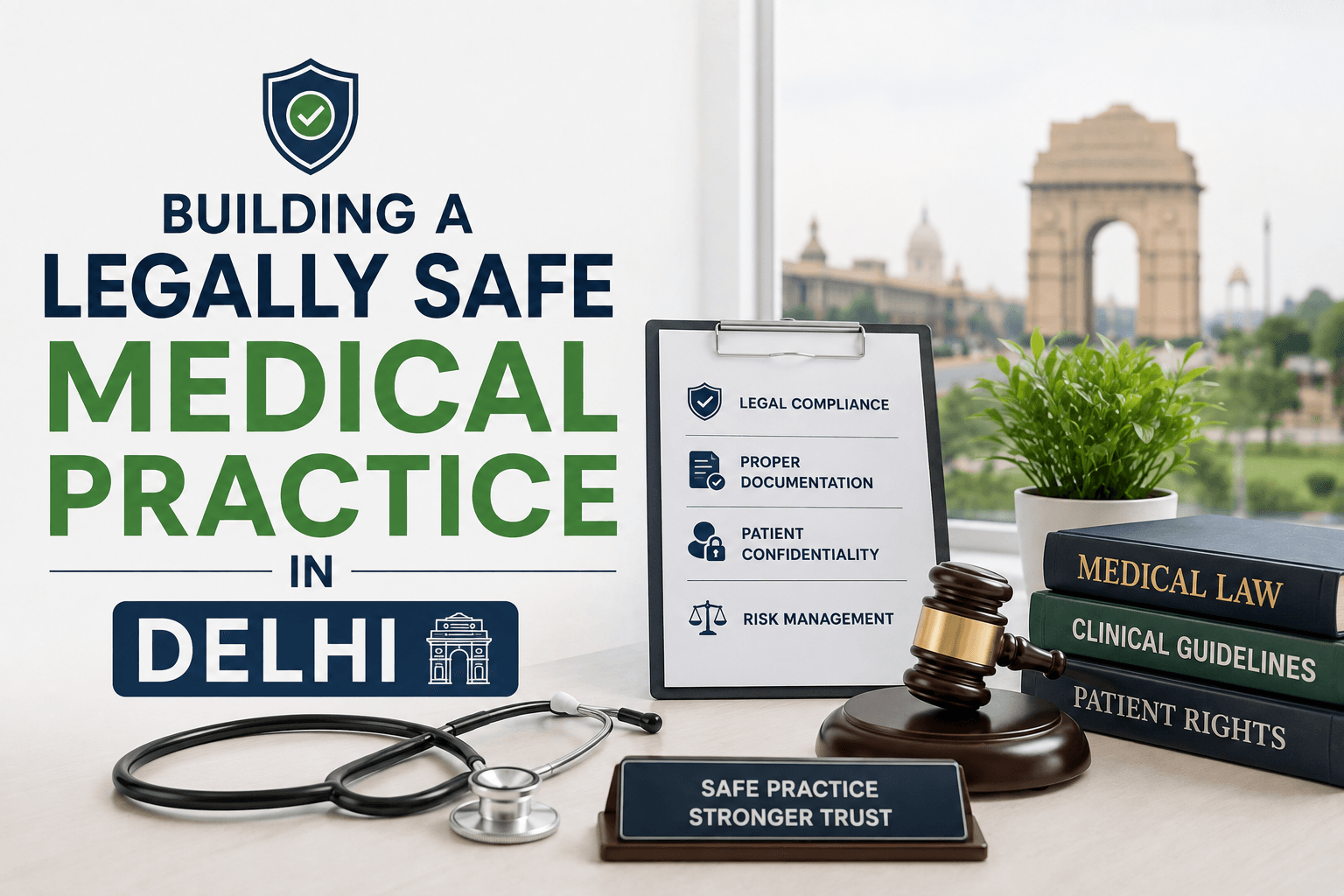
Running a clinic in Delhi means dealing with more than patient care. Between staff management, equipment, billing, and compliance paperwork, legal safety often gets pushed to the bottom of the list — until a complaint forces it to the top. Speaking with a medico legal expert in Delhi (https://drvimalkantgoyal.com/) before that happens, rather than after, is usually what separates a clinic that handles disputes calmly from one that scrambles to catch up.
This article walks through what actually makes a medical practice legally safe, the areas doctors tend to overlook, and the practical steps that reduce avoidable risk without turning a clinic into a paperwork-heavy operation.
What "Legally Safe" Actually Means for a Clinic
Question: What does it mean for a medical practice to be legally safe?
A legally safe medical practice is one where documentation, consent, staff training, and patient communication are consistent enough that the clinic can clearly explain the care given if a complaint or dispute arises. It doesn't mean avoiding every possible disagreement — it means being prepared to respond to one calmly and with evidence.
This idea applies just as much to a two-room clinic as it does to a multi-specialty hospital. The scale is different, but the underlying habits — clear records, documented consent, and consistent communication — stay the same.
Why This Matters More in a City Like Delhi
Delhi has a dense concentration of clinics, diagnostic centres, and hospitals, which means patients often have several options and don't hesitate to seek a second opinion or raise a formal complaint if something feels off. A top medicolegal advisor Delhi (https://drvimalkantgoyal.com/best-medicolegal-consultant-in-delhi.php) clinics rely on will usually say the same thing: patients aren't necessarily more litigious here, but the sheer volume of practices means even small gaps get noticed faster.
Where Clinics Commonly Fall Short
Legal risk rarely comes from major clinical errors. It usually comes from small operational gaps that build up over time.
Documentation and Consent Gaps
Many clinics have consent forms, but the forms are signed quickly without a real conversation about risks, alternatives, and what to expect. Discharge summaries get written in a hurry and skip details the patient actually needs. Phone conversations about symptoms or medication changes often go unrecorded entirely. None of this reflects poor clinical care — it reflects paperwork that hasn't kept pace with a busy practice.
Inconsistent Staff Training
Reception and nursing staff are often the first point of contact for an unhappy patient, yet they're rarely trained on how to handle a complaint calmly or what information they're allowed to share. A single untrained response — dismissing a concern too quickly, or sharing details with the wrong person — can turn a minor issue into a formal grievance.
Practical Steps to Reduce Legal Risk
Question: What can doctors do to reduce the risk of legal disputes in their practice?
Doctors can reduce legal risk by documenting consultations and consent conversations at the time they happen, training staff on basic complaint handling, keeping consistent records of complications and patient refusals, and reviewing their documentation practices periodically rather than only after a dispute arises.
A few specific habits make a noticeable difference over time:
Writing consultation notes immediately, not from memory at the end of the day
Recording what was actually explained to the patient during consent, not just collecting a signature
Documenting any patient refusal of treatment, along with the risks that were discussed
Keeping investigation reports, referral letters, and discharge notes within the same file
Reviewing a handful of recent patient files every few months to check for gaps
These steps don't require expensive systems. They require consistency, which is often the harder part.
Building Systems, Not Just Individual Habits
A single careful doctor can only do so much if the clinic around them doesn't support the same standards.
Setting Clear Policies for the Whole Team
Clinics that put basic policies in writing — how records are stored, who can access patient files, how complaints get escalated internally — tend to handle disputes with far less confusion. Staff know what to do the moment a concern is raised, instead of improvising in the middle of a tense conversation.
Reviewing the System Regularly, Not Just Once
A policy written once and never revisited tends to drift out of date as staff change and workflows shift. Following a practical legal compliance guide for doctors in Delhi (https://drvimalkantgoyal.com/best-medicolegal-consultant-in-delhi.php) as a periodic checklist — even a short annual review — helps catch small issues, like an outdated consent form or an inconsistent record-keeping habit, before they become a pattern across the clinic.
When to Bring in a Medico-Legal Advisor
Most day-to-day clinical decisions don't need outside legal input. But certain moments call for it clearly.
It makes sense to consult a medico legal expert in Delhi when setting up a new clinic's documentation systems from scratch, after a serious complication that could raise questions later, when a patient's family has already expressed dissatisfaction informally, or when reviewing consent forms and policies for the first time in years. Dr. Vimal Kant Goyal, who has advised several clinics and hospitals across Delhi on medico-legal compliance, often points out that the clinics with the fewest serious disputes are usually the ones that treat this kind of review as routine, not emergency response.
Common Mistakes That Undermine Legal Safety
A few patterns show up again and again across clinics of different sizes. Assuming that good clinical outcomes alone will protect a doctor, without matching documentation, is one of the most common. Waiting until a complaint is already formal to review internal records and processes is another — by then, options are more limited. Making corrections to old notes after a dispute has started, even with honest intentions, often raises more questions than it answers. Dr. Vimal Kant Goyal notes that most of the disputes he reviews could have been resolved far more easily if the underlying documentation had simply been completed at the time of care, rather than reconstructed later.
Expert Tips for Everyday Practice
Building a legally safe practice doesn't mean adding more paperwork for its own sake. It means being deliberate about the paperwork that already exists — finishing notes before moving to the next patient, having a short but clear conversation about risks before a procedure, and keeping a simple internal process for handling complaints before they escalate. A short, consistent routine beats an elaborate system that nobody actually follows.
Frequently Asked Questions
How often should a clinic review its legal and compliance practices? A yearly review is a reasonable baseline for most small to mid-sized clinics, with more frequent checks for practices handling complex procedures or higher patient volumes.
Does having a medico-legal advisor mean a clinic expects legal trouble? No. Most clinics that work with a medico legal expert in Delhi do so to prevent disputes and strengthen everyday practices, not because they're anticipating a specific problem.
What should be included in a basic clinic compliance checklist? A basic checklist typically covers consent documentation, record-keeping consistency, staff training on complaint handling, data privacy practices, and a clear process for escalating patient concerns internally.
Can a legally safe practice still face a complaint? Yes, depending on the circumstances. Being legally safe reduces avoidable risk and makes it easier to explain the care given, but it doesn't guarantee that a complaint will never be filed.
Is a top medicolegal advisor only useful for hospitals, or also for small clinics? Both. Smaller clinics often have fewer formal systems, which makes basic reviews of consent and documentation even more useful, not less.
What's the first step for a new clinic setting up its compliance systems? Start with a written consent process, a simple documentation template for consultations, and a clear policy on how patient records are stored and who can access them.
A Practical Takeaway
Building a legally safe medical practice isn't about eliminating every disagreement with a patient. It's about having consistent documentation, clear consent conversations, and a trained team, so that if a question or complaint does come up, the clinic can explain what happened with confidence. Doctors who treat working with a medico legal expert in Delhi as part of running the practice, rather than a step reserved for emergencies, tend to build clinics that handle disputes with far less disruption.
Appreciate the creator