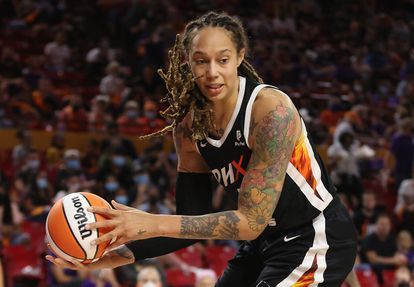
Brittney Griner Defends Transgender Participation in Women Sports
Sports have long been a platform that unites people, transcending differences and celebrating the power of athleticism. In recent years, discussions surrounding transgender participation in women's sports have sparked intense debates and raised important questions about inclusivity and fairness. Brittney Griner, a prominent figure in women's basketball, has emerged as an advocate for transgender athletes, passionately defending their right to compete in sports that align with their gender identity. In this article, we delve into the subject of transgender participation in women's sports, exploring Griner's perspective, addressing common concerns, and championing the principles of inclusivity and equality.
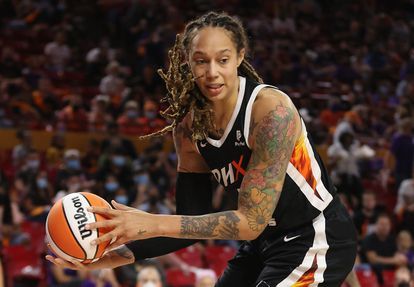
Brittney Griner defends transgender participation in women's sports: Breaking Barriers
Breaking Down Stereotypes: Griner's Personal Journey
Brittney Griner, a remarkable athlete known for her towering presence on the basketball court, understands the challenges and obstacles faced by athletes who don't conform to traditional gender norms. As a trailblazer in her own right, Griner has faced her fair share of stereotypes and prejudice throughout her career. Her unique experiences have cultivated a deep empathy and compassion for individuals who seek to express their authentic selves, including transgender athletes.
Leveling the Playing Field: Embracing Fairness and Equality
Griner firmly believes that transgender athletes should be afforded the same opportunities and rights as their cisgender counterparts. In an interview, she expressed her view that sports should be a space where everyone can participate, regardless of their gender identity. Griner argues that excluding transgender individuals from women's sports perpetuates discrimination and denies them the chance to showcase their skills and compete at the highest level. By defending transgender participation, she champions fairness and equality, creating a more inclusive environment for all athletes.
Understanding the Concerns: Debunking Myths and Addressing Questions
As discussions surrounding transgender participation in women's sports intensify, it is essential to address common concerns and misconceptions. Let's explore some frequently asked questions:
FAQ 1: Does transgender participation in women's sports create an unfair advantage?
While concerns regarding competitive advantage have been raised, it's crucial to note that policies regulating transgender participation typically include stringent guidelines that aim to maintain a fair playing field. These guidelines often require individuals to undergo hormone therapy and fulfill specific eligibility criteria. By adhering to these guidelines, transgender athletes navigate a comprehensive framework that mitigates concerns about unfair advantages.
FAQ 2: What about the physical differences between cisgender and transgender women?
It is essential to recognize that physical variations exist among athletes, regardless of gender identity. Not all cisgender women have the same physical attributes, and transgender women encompass a wide range of body types. By emphasizing inclusivity and focusing on an individual's gender identity rather than physical characteristics, sports can become more welcoming to athletes of diverse backgrounds.
FAQ 3: How does Brittney Griner's advocacy impact the conversation?
As a highly respected athlete and influential figure in women's sports, Brittney Griner's advocacy provides a platform to foster meaningful discussions and challenge societal norms. By sharing her experiences and championing inclusivity, Griner encourages others to question preconceived notions and embrace transgender participation in women's sports.
FAQ 4: What role do sports governing bodies play in ensuring fairness?
Sports governing bodies play a pivotal role in establishing policies that promote inclusivity and fairness in sports. These bodies continuously evaluate and update guidelines to ensure a level playing field for all athletes. By collaborating with experts and considering diverse perspectives, sports governing bodies can strike a balance between inclusivity and maintaining competitive integrity.
Appreciate the creator