Boost Fertility: Tackle Hypogonadism & Testosterone Deficiency
Hypogonadism and testosterone deficiency are significant health concerns that can severely impact fertility, energy levels, and overall quality of life. Fortunately, advancements in medical science have provided effective treatments to address these issues. One such treatment is Human Chorionic Gonadotropin (HCG), a hormone that plays a crucial role in regulating testosterone production and improving fertility. In this article, we’ll explore how HCG works, its benefits, and how it can help individuals struggling with hypogonadism and testosterone deficiency.
Understanding Hypogonadism and Testosterone Deficiency
Hypogonadism is a condition where the body produces insufficient amounts of testosterone, the primary male sex hormone. This condition can occur due to problems in the testes (primary hypogonadism) or issues with the pituitary gland and hypothalamus (secondary hypogonadism). Symptoms of hypogonadism include low libido, fatigue, reduced muscle mass, increased body fat, mood swings, and infertility.
Testosterone deficiency, often linked to hypogonadism, can affect men of all ages but is more common as men grow older. Low testosterone levels can lead to a host of physical and emotional challenges, including erectile dysfunction, decreased bone density, and depression. For couples trying to conceive, low testosterone levels can significantly reduce the chances of successful conception.
The Role of HCG in Boosting Fertility and Testosterone
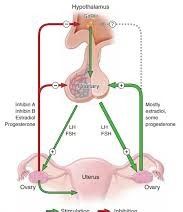
Human Chorionic Gonadotropin (HCG) is a hormone naturally produced during pregnancy. However, its applications extend far beyond pregnancy-related functions. HCG is widely used in medical treatments to address hypogonadism and testosterone deficiency. It works by mimicking the action of luteinizing hormone (LH), which stimulates the Leydig cells in the testes to produce testosterone.
HCG is available under various brand names, including Pregnyl, Novarel, HUCOG 5000 HP, and FERTIGYN HP 5000. These medications contain the active ingredient HCG and are administered via injection. When used as part of a structured treatment plan, HCG can help restore testosterone levels, improve fertility, and alleviate the symptoms associated with hypogonadism.
How HCG Works
HCG functions by binding to the LH receptors in the testes, signaling the body to produce more testosterone. This process is particularly beneficial for men with secondary hypogonadism, where the pituitary gland fails to produce sufficient LH. By stimulating testosterone production, HCG helps restore hormonal balance, leading to improved energy levels, muscle mass, libido, and overall well-being.
In addition to boosting testosterone, HCG also supports sperm production. For men experiencing infertility due to low sperm count or poor sperm motility, HCG therapy can be a game-changer. It enhances the function of the testes, promoting the development of healthy sperm and increasing the likelihood of successful conception.
Benefits of HCG Therapy
Restores Testosterone Levels: HCG effectively increases testosterone production, helping men overcome the symptoms of low testosterone, such as fatigue, low libido, and mood swings.
Improves Fertility: By stimulating the testes to produce more testosterone and sperm, HCG enhances fertility in men with hypogonadism or testosterone deficiency.
Preserve Testicular Function: HCG helps maintain the size and function of the testes, preventing testicular atrophy that can occur with long-term testosterone replacement therapy (TRT).
Enhances Overall Well-Being: With restored testosterone levels, individuals often experience improved energy, better mood, increased muscle mass, and reduced body fat.
Non-Surgical and Minimally Invasive: HCG therapy involves simple injections, making it a convenient and non-invasive treatment option.
HCG Brands: Pregnyl, Novarel, HUCOG 5000 HP, and FERTIGYN HP 5000
HCG is available under several brand names, each offering the same active ingredient but with slight variations in formulation and packaging. Here’s a brief overview of the most popular HCG brands:
Pregnyl: One of the most widely recognized HCG brands, Pregnyl is known for its reliability and effectiveness in treating hypogonadism and infertility.
Novarel: Similar to Pregnyl, Novarel is a trusted HCG product used to stimulate testosterone production and improve fertility.
HUCOG 5000 HP: This high-potency HCG formulation is popular for its effectiveness in addressing testosterone deficiency and supporting fertility treatments.
FERTIGYN HP 5000: Another high-quality HCG brand, FERTIGYN HP 5000 is commonly used in fertility clinics and hormone therapy programs.
Who Can Benefit from HCG Therapy?
HCG therapy is ideal for individuals experiencing:
Low Testosterone Levels: Men diagnosed with hypogonadism or testosterone deficiency can benefit from HCG’s ability to boost testosterone production.
Infertility: Men with low sperm count or poor sperm motility may see significant improvements in fertility with HCG treatment.
Testicular Atrophy: Individuals undergoing long-term testosterone replacement therapy (TRT) can use HCG to prevent testicular shrinkage.
Delayed Puberty: In some cases, HCG is used to stimulate puberty in adolescent boys with delayed sexual development.
How to Use HCG
HCG is typically administered via subcutaneous or intramuscular injections. The dosage and frequency depend on the individual’s condition and the prescribing physician’s recommendations. For hypogonadism and testosterone deficiency, a common dosage ranges from 500 to 2000 IU (International Units) two to three times per week. For fertility treatments, the dosage may vary based on the specific protocol.
It’s essential to follow the prescribed dosage and administration guidelines to achieve optimal results. Regular monitoring by a healthcare provider is also crucial to ensure the therapy is working effectively and to adjust the dosage if necessary.
Potential Side Effects of HCG
Like any medication, HCG may cause side effects in some individuals. Common side effects include:
Mild pain or swelling at the injection site
Headaches
Fatigue
Mood swings
Acne or skin reactions
In rare cases, HCG can lead to more severe side effects, such as blood clots or allergic reactions. It’s important to consult a healthcare provider before starting HCG therapy and to report any unusual symptoms immediately.
Combining HCG with Other Treatments
HCG is often used in conjunction with other treatments to maximize its benefits. For example:
Testosterone Replacement Therapy (TRT): HCG can be combined with TRT to prevent testicular atrophy and maintain natural testosterone production.
Fertility Treatments: HCG is commonly used alongside other fertility medications to enhance sperm production and improve the chances of conception.
Lifestyle Changes: A healthy diet, regular exercise, and stress management can complement HCG therapy, leading to better overall results.
Conclusion
Hypogonadism and testosterone deficiency can have a profound impact on fertility, physical health, and emotional well-being. Fortunately, HCG therapy offers a safe and effective solution to address these challenges. By stimulating testosterone production and improving sperm quality, HCG helps individuals regain their vitality and achieve their fertility goals.
Brands like Pregnyl, Novarel, HUCOG 5000 HP, and FERTIGYN HP 5000 have made HCG therapy accessible to those in need. If you’re struggling with low testosterone or infertility, consult a healthcare provider to determine if HCG therapy is right for you. With the right treatment plan, you can overcome hypogonadism, boost your fertility, and reclaim your quality of life.
Appreciate the creator