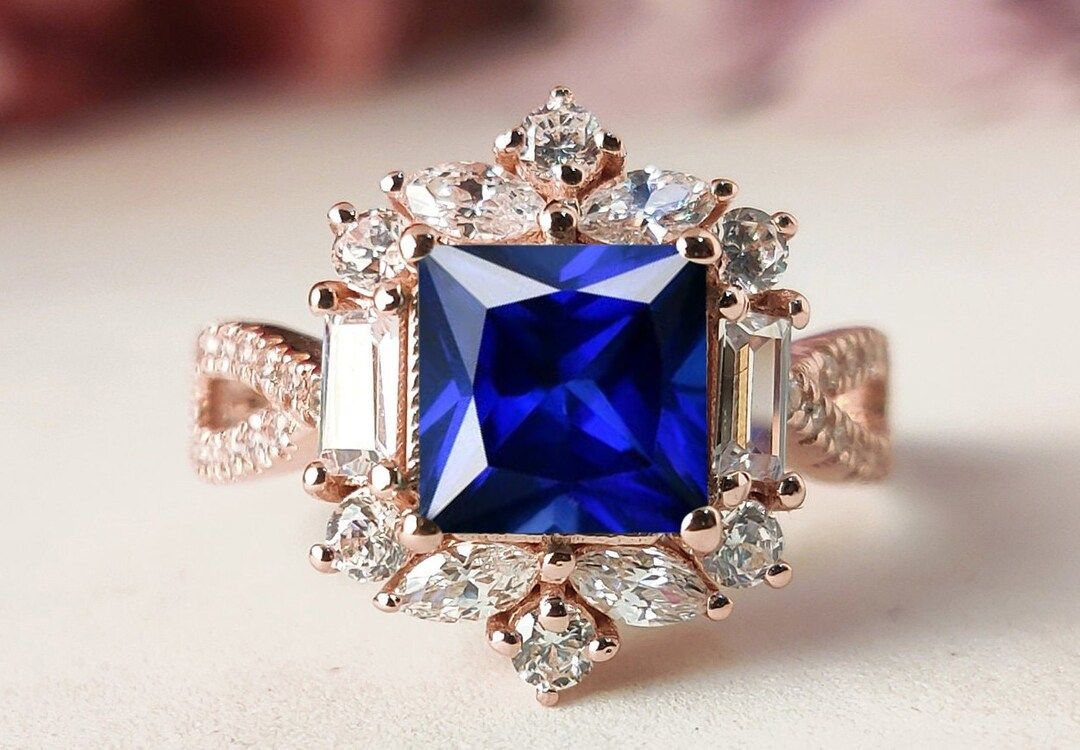
Blue Sapphire Engagement Rings: A Timeless Alternative to Traditional Diamonds
Choosing an engagement ring is about finding a design that reflects your relationship, personality, and sense of style. While diamonds remain a classic choice, blue sapphire engagement rings offer a distinctive alternative with rich color, timeless appeal, and a meaningful history. From deep royal-blue center stones to delicate sapphire accents, these rings can create a memorable symbol of commitment.
Whether you prefer a vintage-inspired halo, a modern solitaire, or an elegant three-stone design, blue sapphire can bring character and individuality to an engagement ring.
Why Choose a Blue Sapphire Engagement Ring?
Blue sapphire has long been associated with qualities such as loyalty, sincerity, and wisdom, making it a meaningful gemstone for an engagement ring. Its saturated blue color also provides a striking contrast against metals such as white gold, yellow gold, rose gold, and platinum.
Another advantage is its durability. Sapphire ranks 9 on the Mohs scale of mineral hardness, second only to diamond among commonly used gemstones. This makes it well suited to jewelry intended for regular wear, although proper care is still important.
For couples looking beyond traditional diamond engagement rings, sapphire provides an opportunity to choose something colorful without sacrificing elegance or practicality.
What Makes Blue Sapphires So Special?
The defining feature of a blue sapphire is its color. Sapphires can range from very light blue to intensely saturated deep blue. The most desirable appearance generally combines strong color with good transparency and attractive brilliance.
Color is influenced by several factors, including the gemstone's origin, chemical composition, and treatment history. Because natural sapphires can vary significantly from one stone to another, two rings with similarly sized sapphires may have very different appearances.
When shopping for a sapphire engagement ring, pay attention to:
Color: Look for a blue tone that suits your personal style.
Clarity: Some inclusions are normal in natural sapphires, but excessive inclusions can affect appearance and durability.
Cut: A well-executed cut helps the stone interact with light and appear more lively.
Carat weight: Sapphire weight does not necessarily translate directly to visual size because sapphire and diamond have different densities.
Origin: Geographic origin can be an important consideration, particularly for buyers interested in collectible gemstones.
Treatment: Many sapphires are heat-treated to improve their color and clarity, so treatment disclosure matters.
Popular Blue Sapphire Engagement Ring Styles
There is no single style that defines a sapphire engagement ring. The gemstone works beautifully across traditional, contemporary, and vintage-inspired designs.
Blue Sapphire Solitaire Rings
A solitaire places attention directly on the center gemstone. A single blue sapphire can create a clean and sophisticated appearance, particularly when paired with a simple band.
Oval, cushion, pear, and round sapphire cuts are popular choices for solitaire settings. The right shape depends on whether you prefer a classic, romantic, or contemporary look.
Sapphire Halo Engagement Rings
A halo setting surrounds the center sapphire with smaller diamonds or gemstones. This design can make the center stone appear larger while adding additional sparkle.
A blue sapphire surrounded by a diamond halo creates a strong contrast between color and brilliance. It is particularly suitable for someone who wants a statement ring without choosing an oversized center stone.
Three-Stone Sapphire Rings
Three-stone engagement rings typically feature a prominent center gemstone accompanied by two smaller stones.
The design can represent a couple's past, present, and future, giving it an additional symbolic dimension. Blue sapphire can be used as the central gemstone, while diamonds provide contrast on either side.
Vintage-Inspired Sapphire Rings
Vintage-style designs often feature intricate metalwork, milgrain details, engraving, halos, or decorative settings. A blue sapphire naturally complements these elements because of its association with classic jewelry traditions.
For someone who appreciates antique-inspired aesthetics, a sapphire ring with detailed craftsmanship can offer a distinctive alternative to minimalist designs.
Sapphire and Diamond Rings
Blue sapphire and diamonds make a particularly versatile combination. The sapphire contributes color, while diamonds provide additional brilliance.
You can use diamonds around the center stone, along the shoulders of the band, or as side stones. This allows you to control how bold or understated the overall design appears.
Choosing the Right Sapphire Shape
The shape of the center stone has a major effect on the ring's personality.
Oval sapphires offer an elegant appearance and can create the impression of a longer, elongated center stone.
Round sapphires provide a classic look and work well in traditional solitaire and halo settings.
Cushion-cut sapphires combine soft corners with a substantial appearance, making them suitable for romantic and vintage-inspired designs.
Emerald-cut sapphires offer a more understated appearance with long step-cut facets. They emphasize the gemstone's color rather than producing the same type of sparkle associated with brilliant cuts.
Pear-shaped sapphires create a distinctive teardrop silhouette and can be worn with the point facing toward or away from the hand.
Which Metal Looks Best With Blue Sapphire?
Blue sapphire pairs well with several precious metals, so the best choice largely depends on the look you want.
White Gold
White gold creates a clean, contemporary appearance. Its bright surface allows the blue gemstone to remain the focal point while complementing diamond accents.
Yellow Gold
Yellow gold creates a warmer contrast against blue sapphire. The combination has a classic, luxurious character and works particularly well with vintage-inspired designs.
Rose Gold
Rose gold introduces a softer, romantic contrast. The warm pink tone of the metal can make the sapphire's blue color appear especially prominent.
Platinum
Platinum offers a naturally white appearance and excellent durability. It can be an appealing choice for buyers seeking a premium metal for everyday engagement-ring wear.
Natural vs. Lab-Grown Sapphire
When shopping for a blue sapphire engagement ring, you may encounter both natural and lab-grown sapphires.
Natural sapphires form naturally beneath the Earth's surface over geological periods. Their value can be influenced by factors such as color, clarity, size, origin, and treatment.
Lab-grown sapphires are produced using controlled laboratory processes. They have essentially the same chemical composition and physical properties as natural sapphires, but their origin is different.
Neither option should be evaluated solely by appearance. Buyers should understand what they are purchasing, including whether the gemstone is natural, laboratory-created, or treated.
How Much Do Blue Sapphire Engagement Rings Cost?
The price of a blue sapphire engagement ring can vary considerably. The center stone is only one part of the total price. Metal type, ring craftsmanship, diamond accents, setting complexity, gemstone size, and sapphire quality all influence the final value.
A smaller sapphire in a simple setting may have a very different price from a large, high-quality natural sapphire surrounded by diamonds.
Rather than choosing a ring based solely on carat weight, consider the complete combination of color, cut, clarity, gemstone origin, treatment, setting, and craftsmanship.
How to Choose a Quality Blue Sapphire
Before purchasing, inspect the sapphire under good lighting and from multiple angles. Look for attractive color distribution and a lively appearance.
Ask whether the sapphire has undergone treatment and whether that treatment is disclosed. For higher-value natural sapphires, an independent gemological report can provide useful information about characteristics and treatment.
It is also important to examine the ring's construction. The prongs should securely hold the center stone, the band should feel appropriately substantial, and the setting should not have obvious rough edges or manufacturing defects.
A reputable jewelry retailer should be able to provide clear information about the gemstone and ring materials.
Caring for a Blue Sapphire Engagement Ring
Although sapphire is highly durable, the surrounding metal and setting can still become damaged through everyday activities.
To maintain your ring:
Remove it before heavy manual work or activities that could cause impact.
Avoid exposing the ring unnecessarily to harsh chemicals.
Clean it regularly with mild soap, warm water, and a soft brush.
Store it separately from other jewelry to reduce scratching.
Have the setting inspected periodically to make sure the stone remains secure.
Professional cleaning and inspection can also help maintain the ring's appearance over time.
Blue Sapphire Engagement Rings for Every Style
One of the biggest advantages of sapphire is its versatility. A deep-blue oval sapphire with a diamond halo can create a glamorous appearance, while a simple round sapphire solitaire can feel understated and sophisticated.
Brands such as Brilani offer sapphire engagement ring designs that can suit different preferences, from classic white-gold settings to distinctive halo and gemstone combinations.
The key is to select a design that complements the wearer's personal style rather than following a temporary jewelry trend.
Frequently Asked Questions
Are blue sapphires good for engagement rings?
Yes. Sapphire is a durable gemstone with a Mohs hardness of 9, making it suitable for everyday jewelry. A secure setting and appropriate care are still important for long-term wear.
Do blue sapphire engagement rings look good with diamonds?
Yes. Blue sapphire and diamonds create a strong visual contrast. Diamonds can be used as a halo, side stones, or accents along the band.
What is the most popular sapphire color?
Blue is the most recognized and widely associated sapphire color. Blue sapphires can vary from pale blue to highly saturated deep blue.
Can you wear a sapphire engagement ring every day?
A sapphire engagement ring can be worn regularly, but it should be protected from significant impacts, harsh chemicals, and activities that could damage the gemstone or setting.
Are natural sapphires better than lab-grown sapphires?
They are different rather than simply better or worse. Natural sapphires are formed naturally, while lab-grown sapphires are produced under controlled conditions. Buyers should consider origin, treatment, appearance, budget, and personal preferences when choosing.
What metal goes best with a blue sapphire?
Blue sapphire works well with white gold, yellow gold, rose gold, and platinum. White metals create a crisp contrast, while yellow and rose gold provide warmer visual combinations.
Final Thoughts
A blue sapphire engagement ring combines distinctive color, durability, and timeless elegance. With choices ranging from simple solitaire settings to elaborate diamond halos, sapphire rings can be tailored to a wide range of personal styles.
When choosing one, focus on the quality and appearance of the sapphire, the craftsmanship of the setting, the metal, gemstone treatment, and how comfortably the ring fits into everyday life. A thoughtfully selected sapphire ring can become a meaningful piece of jewelry designed to be worn and cherished for years.
Appreciate the creator