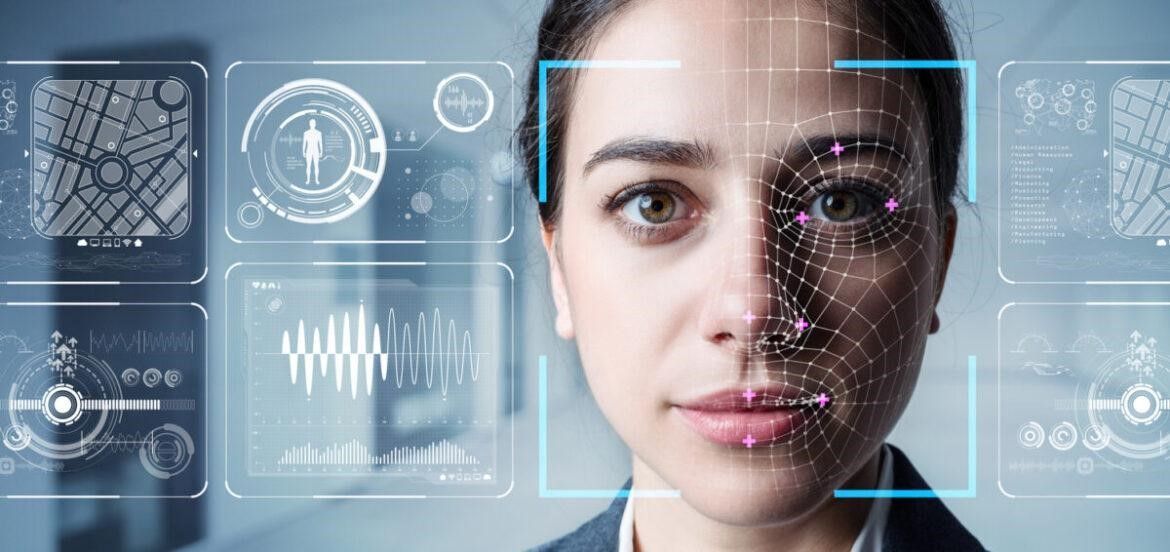
Biometric Recognition – Safety Net for Rising Telemedicine Fraud
Biometric technology is taking over every industry due to its efficient risk-prevention techniques. As the healthcare sector continues to embrace digitization, compelling fraud attempts are skyrocketing. Prescription fraud, identity theft, false insurance claims, and spoofed virtual visits are constantly increasing the need for developing more effective IDV mechanisms. With over 50 million medical records coming under cybersecurity breaches, the vulnerability of healthcare providers continues to escalate.
To strengthen their operations against scams, healthcare centers require robust biometric security solutions. With the inception of telemedicine, medicare service providers need to consider security as of utmost importance. Therefore, incorporating advanced AI-powered IDV technology during digital onboarding is a liability for the healthcare sector. Read on to learn how biometric recognition counters prevalent risks.
Emerging Fraud Risks in the Virtual Healthcare Services
In 1959, the first video communication system was set up for facilitating patients with virtual medical assistance. Since then, telehealth services have been facing tremendous growth, with technological advancements as a major catalyst. With more advanced methods coming down medicare centers, video check-ups, online prescribing of medicines, and drug e-purchases have become the new norm.
In this rapidly growing virtual healthcare sphere, service providers need to bring in equally compatible security measures. In the wake of this, biometric recognition solutions enable healthcare centers to restrict fraudsters and other bogus claims. Furthermore, medicare service providers can perform background checks and facilitate legitimate patients while protecting their crucial records from cybersecurity threats. Biometric user authentication strengthens healthcare centers’ identity verification procedures while safeguarding virtual medical services.
Details regarding prominent challenges and fraud risks that medical service providers encounter are in the next section:
Easy Access to Medical Records and Cybersecurity Threats
Cybercriminals see the telemedicine sector as their new target to perform illicit activities and avail malicious medical benefits. Furthermore, easy access to online records is further adding to the increase in scams. Patients often create simple passwords and usernames that are easily hackable. Upon breach, fraudsters steal crucial medical information and either use it for personal benefits or sell them on the dark web at high prices.
Telehealth service providers should integrate biometric recognition to restrict hacking and cybersecurity attempts. With facial authentication, healthcare centers can counter spoofing attempts. Furthermore, video verification and liveness detection aid in ongoing monitoring to prevent post-onboarding fraud risks.
Risks Involved During Virtual Medical Visits
Telemedicine services are normalizing touchless and remote medical assistance through virtual visits. Patients can schedule live video calls either on the dedicated hospital’s platforms or through a third-party service provider. This trend, however, involves the risk of fraudsters using 2D/3D masks to commit spoof attacks. With this, they try to escape IDV methods and avail telehealth services under someone else’s name.
AI-powered biometric identity verification is capable of countering advanced forms of spoofing attempts. They place necessary restrictions in the imposters’ way by enhancing telemedicines’ IDV processes. Hence, biometric recognition also eliminates the need for repetitive and complex identification by replacing OTPs and PINs with real-time video analysis.
Touchless Telehealth Services and Need for Advanced IDV Checks
The medicare sector is going to experience a long-term impact of healthcare technologies with a surge in demand for convenient and hassle services. Security-enhancing measures, fast-tracking innovation, and remote assistance are accelerating the acceptance of digital curative aid. In all this awe, biometric security systems are playing their role by safeguarding telemedicine services in a more improved way.
The use of biometric ID cards and insurance papers for authenticating identity as well as medical claims is more susceptible to cybersecurity threats. Similarly, the spike in data breaches is telling a whole new story regarding upcoming fraud risks. On the contrary, biometric security solutions enable telemedicine service providers to increase restrictions and place necessary preventions against fraudsters.
Applications of Biometric ID Verification Technology in Telehealth Services
The telemedicine sector is facing various challenges while widespread its services to global patients and striving to assist more individuals remotely. The ease of access to online medical records, hackable passwords, and inadequate IDV checks are further grasping criminals’ attention. Therefore, telehealth service providers should screen patients through biometric ID verification tools.
With facial recognition, they can authenticate digital payments for medical assistance and the use of palm vein scans will leave less space for imposters. Other biometric recognition-based biological/behavioral analyses, such as liveness detection further ensure the presence of patients while applying for telehealth benefits.
To Summarize
Telemedicine services providers are placing strategies to thrive and assist patients in a more secure way. Therefore, to combat cybersecurity threats and malicious false medical claims, the healthcare sector should integrate biometric screening solutions into their IDV processes. With distinct AI-powered biological/behavioral analysis, there will be less room for fraudsters to exploit telemedicine services. Hence, biometric recognition uphold the medicare sector’s integrity without compromising crucial patient records.
Appreciate the creator