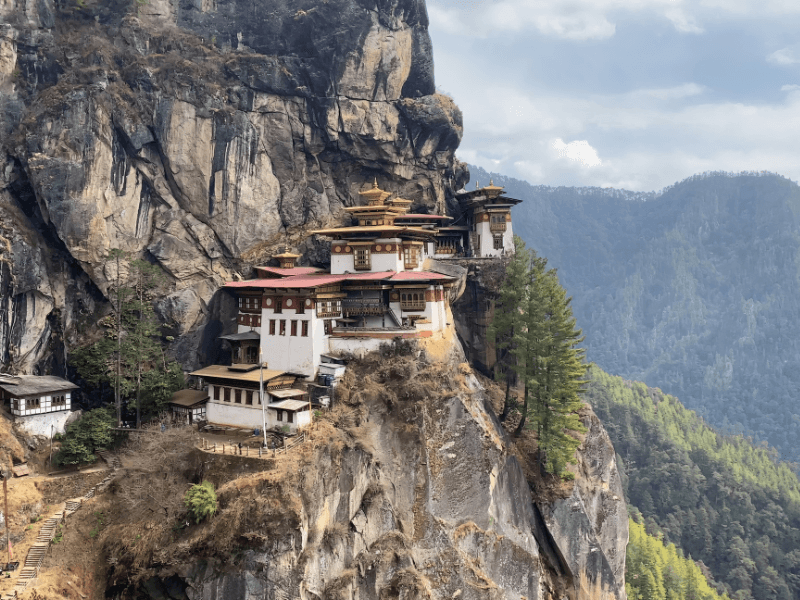
Bhutan Beyond Tiger's Nest: 7 Hidden Gems Only Locals Know
The first time I stumbled upon the hidden hot springs of Gasa, I knew I’d found the real Bhutan. After a grueling five-hour hike through untouched forest, I rounded a bend to find a cluster of steaming stone pools where elderly villagers soaked alongside giggling children. No signs, no entry fees—just the sound of prayer flags fluttering in the wind and the occasional splash of a fish jumping in the nearby river.
This is the Bhutan few tourists see. While Tiger’s Nest deserves its fame, the kingdom’s true magic lies in its secret valleys, sacred caves, and villages untouched by time. After spending months exploring backroads with Bhutanese friends, here are seven extraordinary places you won’t find in guidebooks—but absolutely should.
1. The Burning Lake of Bumthang (Mebar Tsho)
Why It’s Special:
This swirling emerald pool hidden in a forest isn’t actually burning—its name comes from a 15th-century legend where a saint emerged from the waters holding a butter lamp still lit after days underwater.
Local Secrets:
Visit at sunset when monks float offerings of butter lamps
The upstream waterfall is where locals whisper wishes to the nagas (water spirits)
Nearby, Chokhor Valley has Bhutan’s best ara (homemade rice wine) distilleries
Personal moment: I watched a monk meditate for hours on a rock mid-river, undisturbed by the icy spray.
2. Phajoding Monastery’s Moonlit Trek
Why It’s Special:
Perched above Thimphu, this cluster of whitewashed temples is only reachable by a 3-hour hike—but those who make it are rewarded with:
Unmatched views of the entire Thimphu Valley
Overnight stays in monks’ quarters (ask politely)
Pre-dawn prayers echoing through misty courtyards
When to Go:
Full moon nights, when the trail glows silver and the dungchen (long horns) sound across the mountains.
3. The Forgotten Fortress of Drukgyel Dzong
Why It’s Special:
This 17th-century ruin near Paro was abandoned for 300 years after a butter lamp fire. Today, it’s:
Overgrown with wildflowers and haunted by ravens
Closed to most tourists (but guides can get special access)
The best sunset spot in western Bhutan
Local Legend:
They say on quiet nights, you can hear the clang of ancient swords—the dzong’s last defenders still standing guard.
4. The Secret Hot Springs of Gasa
Why It’s Special:
Forget fancy spa resorts—these natural sulfur pools near Tibet have been healing pilgrims for centuries.
How to Experience It Right:
Stay at Gasa Tshachu Guesthouse (basic but clean)
Soak in Pool #3—locals believe it cures back pain
Try post-bath suja (butter tea with raw eggs whisked in)
Warning: The hike down is steep, but the old Bhutanese grandmothers do it daily—you’ve got no excuse.
5. The Cliffside Nunnery of Chimi Lhakhang
Why It’s Special:
Most visitors see the famous fertility temple—but few climb to this hidden nunnery where:
300 nuns live in rainbow-colored houses
Ancient terma (hidden Buddhist texts) are kept in a golden stupa
Silent meditation retreats last for years
Unique Experience:
Time your visit for 7 AM, when the nuns perform lhabtsang (smoke offerings) from the cliffs.
6. The Ghost Village of Dhur
Why It’s Special:
Abandoned in the 1990s after a landslide, this eerie cluster of stone houses now hosts:
Nomadic yak herders in summer
A single caretaker monk who maintains the temple
The best stargazing in Bhutan (no light pollution)
Local Tip:
Bring candles and matches—the caretaker appreciates gifts.
7. The Forbidden Valley of Sakteng
Why It’s Special:
Home to the Brokpa nomads (who claim Yeti ancestry), this eastern valley only opened to tourists in 2022. Here you’ll find:
Blue-painted stone houses with yak hair roofs
Annual Yeti festivals with masked dances
Zero roads (access is by 4-day trek)
How to Visit:
Requires a special permit and guide from Sakteng Wildlife Sanctuary. Worth every step.
Why These Hidden Spots Matter
In a world where Instagram has mapped every "secret" beach, Bhutan remains one of the last places where:
✅ Locals still outnumber tourists at sacred sites
✅ Traditions aren’t performed for cameras
✅ Silence isn’t just possible—it’s inevitable
As my guide Tshering told me while we rested at Dhur village: "Foreigners come for Tiger’s Nest, but Bhutan’s soul lives in places like this."
How to Visit Responsibly
Do:
✔ Hire local guides (they know backroutes)
✔ Ask before photographing people or rituals
✔ Pack out all trash (even biodegradable)
Don’t:
✘ Remove prayer flags or artifacts
✘ Disrupt monastic routines
✘ Expect Western comforts
Final Thought: The Bhutan Few Find
On my last morning at Gasa’s hot springs, an old man with a face like weathered oak handed me a cup of ara. As we soaked watching the sunrise, he said something I’ll never forget:
"Tiger’s Nest shows you Bhutan’s beauty. These places show you its heartbeat."
Appreciate the creator