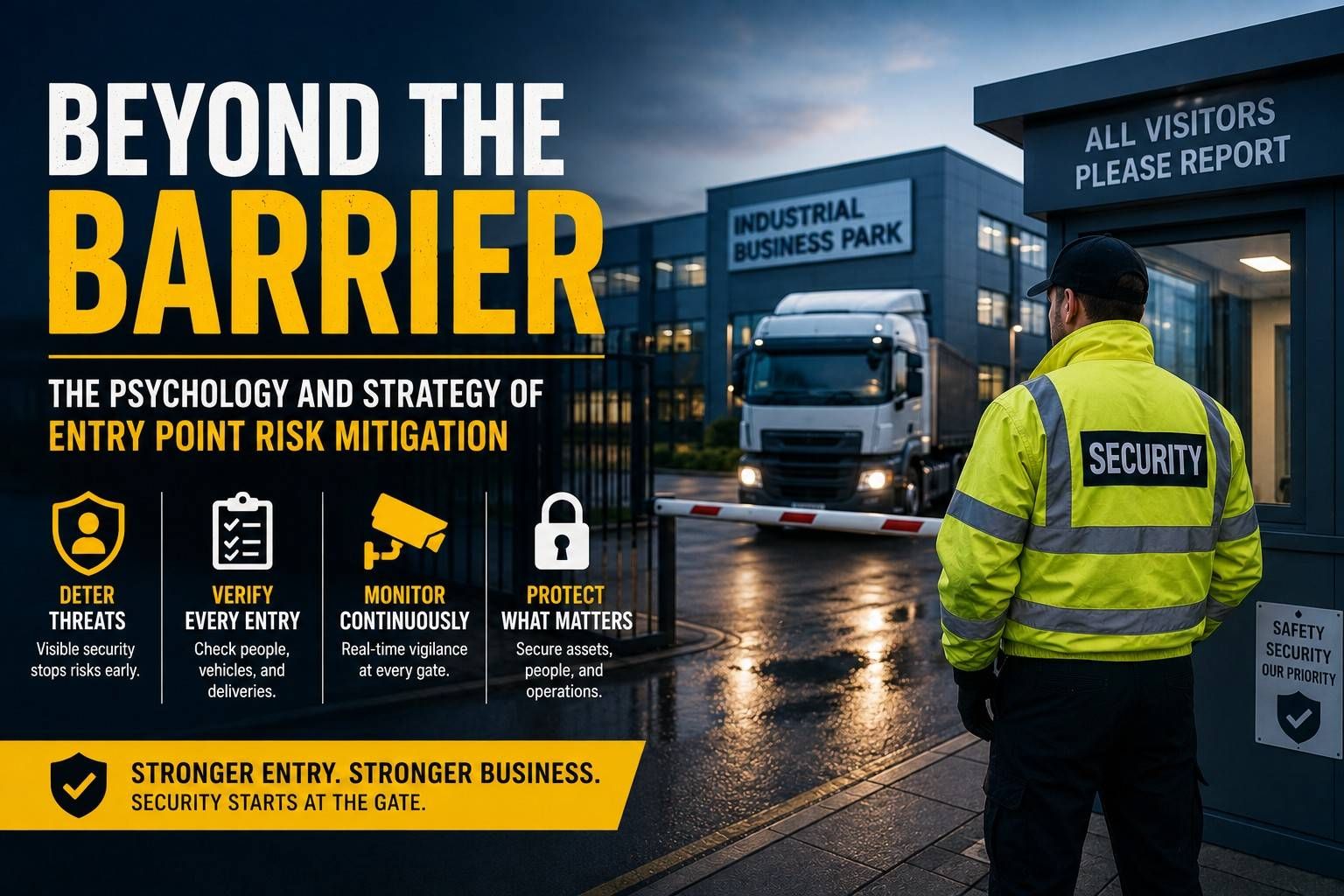
Beyond the Barrier: The Psychology and Strategy of Entry Point Risk Mitigation
Business parks, freight hubs, and factories face a steady stream of safety worries. In the past, companies focused on inner office locks and burglar alarms. Today, security professionals realise that approach comes too late. If an unverified outsider reaches the front door of your building, your safety plan has already failed. True protection must start right at the outer property line.
Stopping a risk at the very edge requires a smart mix of layout planning and human instinct. The main gate does much more than block unauthorised cars and vans. It acts as a major mental barrier for trespassers. It also works as a vital information filter for the entire facility.
Managing this boundary properly allows local firms to stop threats before they can ever touch valuable company assets.
The Mental Impact of a Solid Front Gate Checkpoint
Criminals usually look for the easiest possible target. When picking a location to hit, opportunists check how fast they can get in and out without getting caught. An open or unmonitored fence line practically invites trouble. On the flip side, a highly professional entrance completely changes the risk calculation for an intruder.
Clear Visible Control: A clean, organised gatehouse shows that the business cares about its property. It signals to outsiders that the whole site is under active human management.
The Routine of Access Checks: When every driver must stop, present paperwork, and wait for approval, it breaks the momentum of a potential offender.
Spotting Odd Behaviour: Human guards notice small mistakes that computers miss. They look for nervous body language, wrong paperwork details, or drivers who cannot explain who they are visiting.
This physical and mental shield explains why heavy industrial firms rely heavily on professional gatehouse security in Liverpool transit corridors and busy manufacturing areas. It stops a crime before it is committed.
Turning Your Front Entry into a Secure Data Firewall
A modern gate checkpoint does far more than raise and lower basic metal barrier arms. It functions as a live data hub that logs every single asset moving across the property line. Without this strict tracking, finding the root cause of missing stock or property damage becomes impossible.
When a local firm teams up with an experienced security company in Liverpool, they transform their outer fence line into a highly reliable tracking system.
Verifying Inbound Deliveries: Guards check every shipping slip against a daily master schedule before letting a truck pass. This stops cargo scams in which thieves pick up expensive loads under fake names.
Logging Vehicle Details: Recording license plates and trucking company names ensures a clear paper trail for every vehicle entering high-value storage yards.
Tracking On-Site Workers: Temporary contractors and builders must sign in and out. This simple step keeps random people away from private server rooms and sensitive office spaces.
Fast Communication Links: The gatehouse acts as the main hub for communication. Guards instantly warn the inner office about incoming VIP guests, high-risk deliveries, or traffic jams at the gate.
By setting up this strict filter, companies protect their inventory. They also insulate their daily workflow from unexpected outside hassles.
Smart Risk Tracking for Different Industries
Every sector faces its own distinct problems at the property line. Security plans must be tailored to the exact needs of the workspace.
Logistics Depots: These sites are vulnerable to cargo theft and scams. The main action requires tight paperwork checks and logging trailer seals.
Corporate Parks: These properties face tailgating cars and data thieves. The main action requires checking ID badges and managing visitor passes.
Factories: These yards face the risk of scrap metal and tool theft. The main action requires vehicle searches and locking the gates securely after hours.
Recycling Sites: These locations are subject to illegal dumping and arson. The main action requires tracking every vehicle's weight and watching the yard constantly.
Why Automated Gates Fall Short on Real Safety
Many business boards make the mistake of replacing real guards with automated keycard gates or remote intercoms to save cash. While digital tools help, automated gates have massive flaws that clever criminals bypass with ease.
The Danger of Tailgating: An automated gate opens for a valid worker, but it often stays up long enough for a second car to slip inside right behind them.
Lost or Stolen Access Badges: A plastic swipe card cannot verify who is actually holding it. If a fired worker or a thief finds a badge, the automated gate gives them total access.
Remote Intercom Delays: Off-site monitoring teams often look after dozens of properties at once. They cannot spot a suspicious vehicle waiting down the street or notice a cut fence panel.
Relying entirely on digital gates creates a false sense of safety. True protection requires human intuition right at the entry point. Investing in real gatehouse security in Liverpool utility sites ensures that a real person can analyse a crisis, verify a face, and handle an emergency instantly.
The Long-Term Financial Perks of Front-Line Defence
Setting up a staffed front gate requires a steady operational budget. However, when you calculate the true cost of major business losses, the investment easily pays for itself.
Cutting Down on Asset Loss: Stopping just one break-in saves a company thousands of pounds in stolen tools, raw materials, or company vehicles.
Avoiding Work Closures: If thieves damage power lines or steal vital machinery, the whole company can freeze for days. A solid front-line defence keeps your staff working.
Securing Lower Insurance Costs: Insurance firms favour companies that use controlled entry gates. Maintaining real physical guards regularly results in lower yearly premium costs.
Partnering with a reliable security company in Liverpool shields a business from the sudden, heavy costs of property damage and operational downtime.
Blending Real Human Instinct with Modern Digital Tools
Smart entry protection does not mean throwing away technology. The most effective systems use human intelligence alongside digital devices.
Guards use fast license plate scanners, handheld tablets, and digital visitor lists to keep traffic moving smoothly without cutting corners on safety. They combine technical data with their own eyes and ears to make smart choices.
If a digital scanner flags an issue, a trained guard steps in to handle the situation calmly and professionally.
Final Thoughts for Local Enterprises
True company safety must start at the very edge of your land. Relying on interior building locks means you are waiting far too long to stop a threat. By building an intelligent, staffed entry point, you create a powerful physical and mental filter. This protects your staff, your private data, and your profits. In a shaky economic climate, keeping a tight grip on your property line remains the baseline foundation of long-term commercial success.
Appreciate the creator