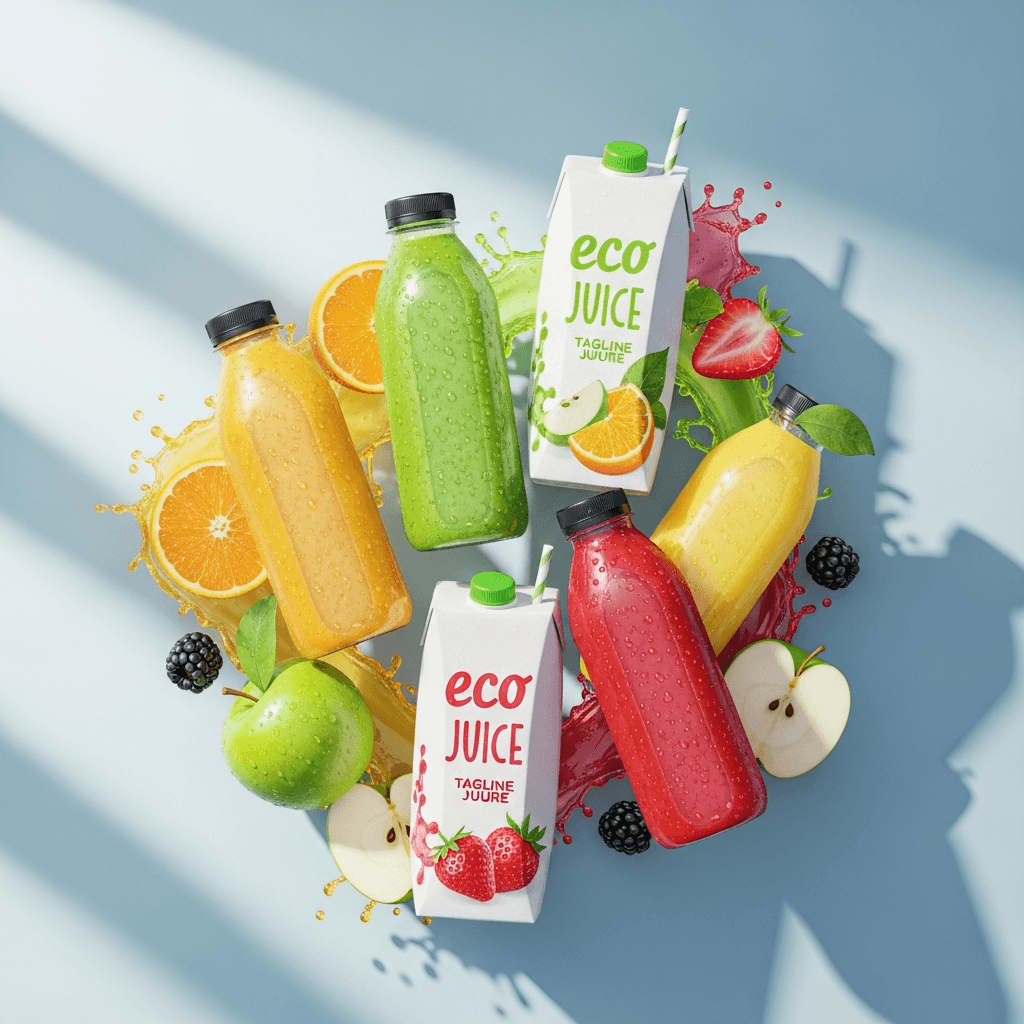
Beverage Packaging Delivering Freshness, Functionality, and Brand Power
In today’s fast-moving consumer market, packaging is no longer just a container—it’s a complete experience. From the moment a customer picks up a drink to the final sip, packaging plays a crucial role in shaping perception, ensuring safety, and maintaining quality. Beverage packaging has evolved into a sophisticated system that combines protection, convenience, and branding.
Among the many categories within this sector, juice packaging stands out as one of the most important and challenging. Juices require special care to preserve freshness, nutrients, and flavor. In this article, we’ll explore the importance, types, benefits, and trends of beverage packaging, with a focus on juice packaging solutions.
What Is Beverage Packaging?
Beverage packaging refers to the materials and designs used to contain, protect, and present drinks. It includes both primary packaging (like bottles and cans) and secondary packaging (like boxes and cartons).
Beverage packaging is used for:
Water and soft drinks
Juices and smoothies
Coffee and tea
Energy drinks
Dairy and plant-based beverages
The main goal is to ensure that the product remains safe, fresh, and appealing from production to consumption.
Why Is Beverage Packaging Important?
1. Product Protection
Beverages are sensitive to environmental factors such as light, oxygen, and temperature. Packaging acts as a barrier to protect against contamination and spoilage.
2. Freshness Preservation
Good packaging helps maintain the taste, aroma, and nutritional value of beverages, especially juices.
3. Convenience
Modern packaging designs focus on ease of use, portability, and storage.
4. Branding and Marketing
Attractive packaging helps products stand out and communicate brand identity.
Types of Beverage Packaging
Beverage packaging comes in a variety of formats, each suited to different products and needs.
Bottles
Glass and plastic bottles are widely used for water, juices, and soft drinks.
Cans
Aluminum cans are popular for carbonated beverages due to their durability and recyclability.
Cartons
Used for milk and juices, cartons provide excellent protection against light.
Pouches
Flexible packaging solutions for single-serve beverages.
Boxes and Carriers
Used for transportation and retail display.
Juice Packaging: Preserving Freshness and Nutrition
Among all beverage types, juice packaging requires special attention. Juices are highly sensitive to air, light, and temperature, which can affect their quality and nutritional value.
Why Is Juice Packaging Important?
1. Nutrient Protection
Juices contain vitamins and minerals that can degrade when exposed to oxygen and light. Proper packaging helps preserve these nutrients.
2. Flavor Retention
Airtight packaging ensures that the juice maintains its original taste and aroma.
3. Extended Shelf Life
Advanced packaging techniques allow juices to stay fresh for longer periods.
4. Visual Appeal
Transparent or creatively designed packaging enhances product visibility and attractiveness.
Types of Juice Packaging
Juice packaging comes in several forms, each offering unique advantages.
Carton Packaging
Commonly used for long-life juices, cartons protect against light and are easy to store.
PET Bottles
Lightweight and transparent, allowing customers to see the product.
Glass Bottles
Provide a premium look and excellent protection but are heavier and more fragile.
Flexible Pouches
Convenient for on-the-go consumption, especially for children.
Custom Beverage Packaging: Stand Out in the Market
Customization is a powerful tool for branding and differentiation.
Customization Options Include:
Printing: High-quality logos and graphics
Color Schemes: Bold, vibrant, or minimalist designs
Finishes: Matte, gloss, embossing, or foil stamping
Shapes and Sizes: Unique designs for different products
Add-ons: Handles, caps, and labels
Custom packaging helps create a strong and memorable brand identity.
Benefits of High-Quality Beverage Packaging
Enhanced Product Safety
Durable materials protect beverages from damage and contamination.
Improved Customer Experience
Convenient and attractive packaging makes products easier and more enjoyable to use.
Increased Brand Recognition
Unique designs help customers remember your brand.
Higher Perceived Value
Premium packaging enhances the perceived quality of the product.
Beverage Packaging in E-Commerce
With the growth of online shopping, beverage packaging must meet higher standards.
Key Features Include:
Leak Prevention: Prevents spills during transport
Shock Resistance: Protects against impacts
Stackability: Improves shipping efficiency
Ease of Opening: Enhances user experience
Juice packaging must be especially secure to avoid leakage and maintain freshness during delivery.
Sustainability in Beverage Packaging
Environmental concerns are driving innovation in packaging materials and processes.
Eco-Friendly Practices Include:
Using recyclable and biodegradable materials
Reducing plastic usage
Adopting lightweight designs
Encouraging reuse and recycling
Many juice packaging solutions now focus on sustainability, balancing performance with environmental responsibility.
Challenges in Beverage Packaging
Material Selection
Choosing the right material that balances durability, cost, and sustainability can be challenging.
Shelf Life Management
Maintaining freshness over time requires advanced packaging technologies.
Transportation Risks
Beverages are prone to leakage and breakage during shipping.
Regulatory Compliance
Packaging must meet strict safety and labeling standards.
Role of Technology in Beverage Packaging
Technology is transforming the beverage packaging industry.
Smart Packaging
QR codes and digital labels provide additional information and engagement opportunities.
Advanced Materials
New materials improve insulation, durability, and sustainability.
Automation
Enhances efficiency and consistency in production.
Future Trends in Beverage Packaging
Sustainable Innovations
Greater focus on eco-friendly materials and processes.
Minimalist Designs
Clean and simple packaging styles are gaining popularity.
Personalization
Customized packaging for limited editions and promotions.
Smart Features
Integration of digital technology for better customer interaction.
Tips for Designing Effective Beverage Packaging
Understand Your Product
Choose packaging that suits the type and nature of the beverage.
Focus on Branding
Ensure your logo and message are clearly visible.
Prioritize Functionality
Packaging should be easy to use, store, and transport.
Use High-Quality Materials
Durable materials ensure safety and performance.
Test Your Packaging
Ensure it meets all quality and safety standards.
Conclusion
Beverage packaging is a critical element in delivering quality, safety, and brand value. It ensures that drinks remain fresh, appealing, and easy to consume while also serving as a powerful marketing tool.
Juice packaging, in particular, highlights the importance of preserving freshness and nutritional value. With the right materials and design, it can enhance both product quality and customer satisfaction.
As the industry continues to evolve, businesses must invest in innovative and sustainable packaging solutions. By focusing on functionality, design, and environmental responsibility, beverage brands can create packaging that not only protects their products but also leaves a lasting impression.
In the end, beverage packaging is more than just a container—it’s the bridge between the product and the consumer, delivering excellence in every sip.
Appreciate the creator