Best Practices for Safe Residential Demolition
Demolishing a residential property is a significant undertaking that requires careful planning, precision, and adherence to safety protocols. Whether you're tearing down an old house to make way for new construction or renovating an existing property, following best practices for safe residential demolition is crucial. In this article, we'll delve into the key steps and considerations to ensure a successful and secure demolition process.
Table of Contents
Introduction
Pre-Demolition Planning
Site Assessment and Inspection
Permits and Regulations
Utility Disconnections
Asbestos and Hazardous Material Assessment
Environmental Considerations
Structural Evaluation
Demolition Methods
Manual Demolition
Mechanical Demolition
Deconstruction
Safety Measures During Demolition
Protective Gear and Equipment
Dust Control
Noise Management
Waste Management and Recycling
Emergency Response Plan
Community Communication
Site Cleanup
Final Inspection
Conclusion
FAQs
Introduction
Residential demolition involves more than just knocking down walls; it requires a strategic approach that prioritizes safety, efficiency, and environmental responsibility. This article outlines the best practices that professionals follow to ensure a smooth and secure demolition process.
Pre-Demolition Planning
Site Assessment and Inspection
Before any demolition begins, a thorough site assessment and inspection should be conducted. This assessment helps identify potential hazards, the condition of the structure, and any environmental concerns.
Permits and Regulations
Obtaining the necessary permits and adhering to local regulations is essential. This includes notifying local authorities, obtaining demolition permits, and complying with noise and debris regulations.
Utility Disconnections
All utilities must be properly disconnected before demolition begins. This prevents accidents, reduces risks, and ensures a smooth process.
Asbestos and Hazardous Material Assessment
Before demolition, it's crucial to identify and handle hazardous materials like asbestos. Professionals should conduct thorough assessments to mitigate health and environmental risks.
Environmental Considerations
Demolition can have environmental impacts. Implementing practices to minimize dust, noise, and debris can help reduce the project's ecological footprint.
Structural Evaluation
A comprehensive structural evaluation helps determine the safest and most effective demolition methods. This includes identifying load-bearing elements and potential weaknesses.
Demolition Methods
Manual Demolition
Manual demolition involves using hand tools and equipment to dismantle structures piece by piece. This method is suitable for smaller structures and areas with limited access.
Mechanical Demolition
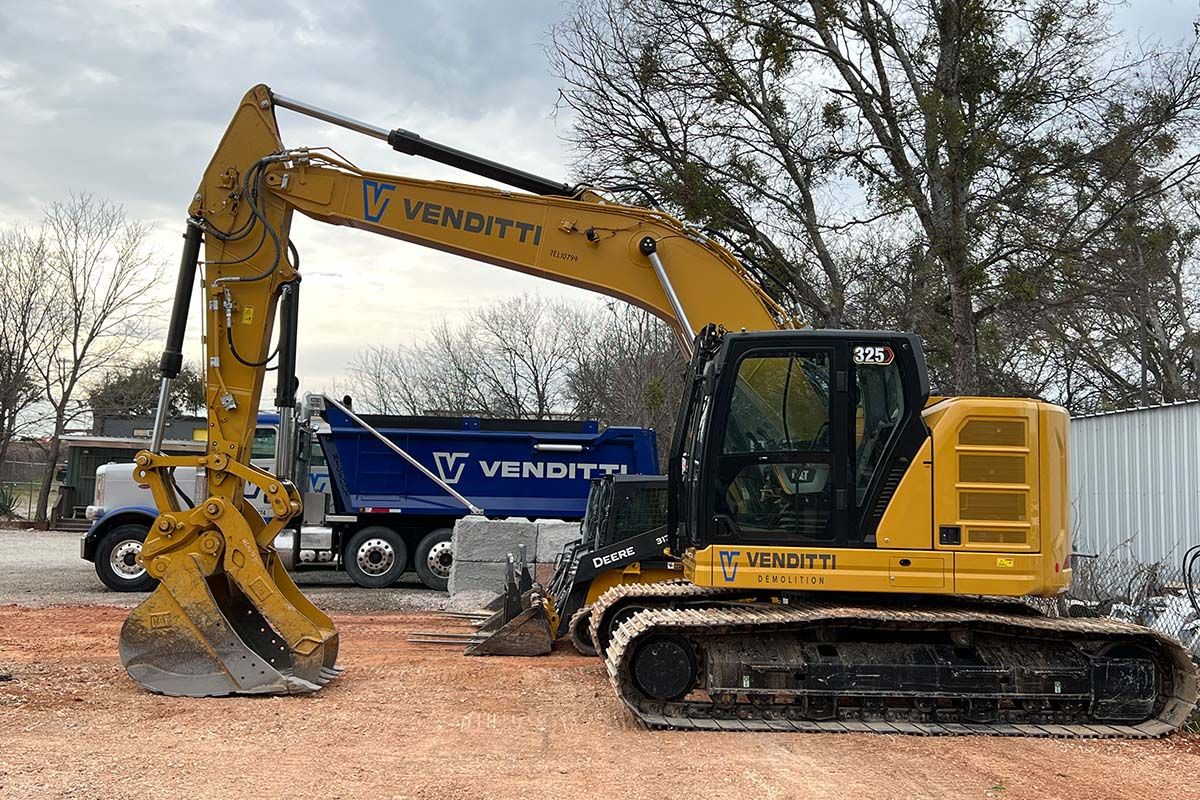
Mechanical demolition employs heavy machinery like excavators and bulldozers to tear down structures efficiently. It's ideal for larger buildings and structures.
Deconstruction
Deconstruction focuses on salvaging materials for reuse. It's a sustainable option that requires careful dismantling to preserve valuable resources.
Safety Measures During Demolition
Protective Gear and Equipment
Demolition workers must wear appropriate protective gear, including helmets, goggles, gloves, and steel-toed boots, to prevent injuries.
Dust Control
Dust can pose health risks and environmental concerns. Effective dust control measures, such as water spraying and dust barriers, should be implemented.
Noise Management
Demolition can generate loud noises that may disturb the surrounding community. Managing noise through scheduling and noise barriers is crucial.
Waste Management and Recycling
Managing waste responsibly is vital. Materials like concrete, wood, and metal can often be recycled or repurposed, reducing landfill waste.
Emergency Response Plan
An emergency response plan should be in place in case of accidents, structural failures, or unexpected hazards. This plan ensures the safety of workers and bystanders.
Community Communication
Keeping the community informed about the demolition project's progress, safety measures, and potential inconveniences fosters goodwill and understanding.
Site Cleanup
After demolition, thorough site cleanup is essential to remove debris, hazardous materials, and any remaining structures. This prepares the site for future construction or use.
Final Inspection
A final inspection ensures that the site is safe and compliant with regulations. Any remaining concerns should be addressed before concluding the project.
Conclusion
Safe residential demolition requires meticulous planning, adherence to regulations, and a commitment to environmental responsibility. By following the best practices outlined in this article, you can ensure that your demolition project is not only successful but also safe for workers, the community, and the environment.
FAQs
Is a permit necessary for residential demolition? Yes, obtaining a demolition permit is usually required by local authorities to ensure safety and compliance.
Can I recycle materials from the demolished structure? Absolutely! Many materials, such as concrete, metal, and wood, can be recycled or repurposed.
What is the difference between demolition and deconstruction? Demolition involves tearing down structures, while deconstruction focuses on carefully dismantling them for salvage.
How can I manage dust during demolition? Using techniques like water spraying and dust barriers can help control and minimize dust.
What should be included in an emergency response plan? An emergency response plan should outline procedures for accidents, structural failures, and unexpected events, prioritizing the safety of all involved.
Appreciate the creator