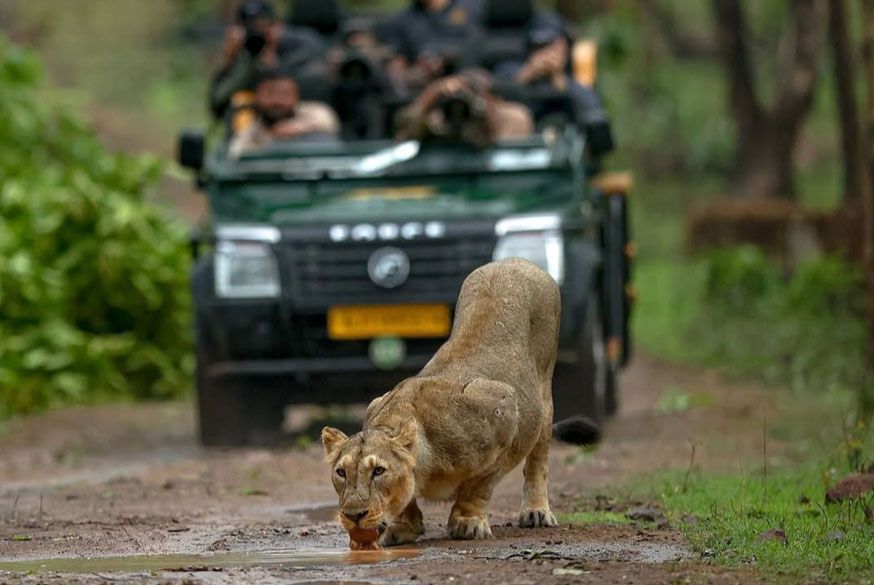
Best Lion and Leopard Safari in India
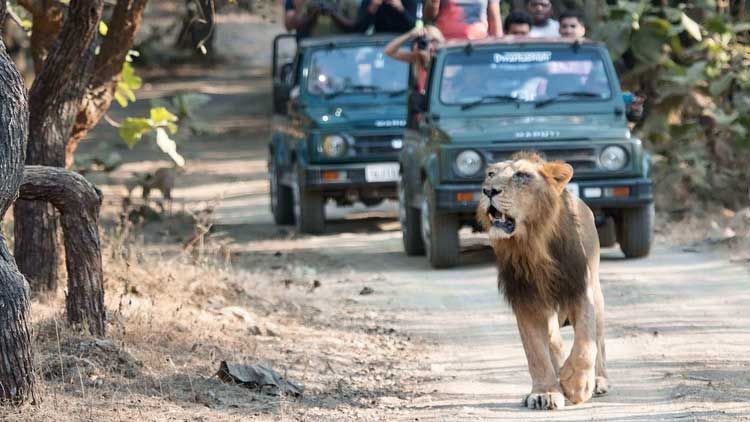
Gir National Park is the sole remaining natural habitat of the majestic Asiatic lion and offers a thrilling safari experience in Gujarat’s Saurashtra peninsula. Visitors can explore over 1,400 square kilometers of diverse terrain—ranging from dry deciduous forests and rolling hills to rivers—while tracking lions, leopards, and more than 40 other mammal species in the wild. The park’s expertly guided jeep safaris provide not only remarkable big cat sightings but also encounters with hyenas, deer, crocodiles, and over 300 bird species, making each journey both educational and awe-inspiring. Advance booking is recommended for the best chance to spot lions patrolling their territories at sunrise or dusk, with each trip promising unforgettable scenes of nature’s grandeur and serene landscapes.
The Ultimate Guide to Lion and Leopard Safaris in India
India, a land of awe-inspiring biodiversity, stands out for exclusive lion and leopard viewing experiences. In 2025, wildlife tourism, especially big cat safaris, has soared in popularity, thanks to dedicated conservation efforts and captivating landscapes. From Gujarat's lion country to Rajasthan's enchanting hills and the lush forests of the south, every safari destination promises a remarkable adventure.
Lion Safari in India: Where the Kings Roam
Gir National Park: Home of Asiatic Lions
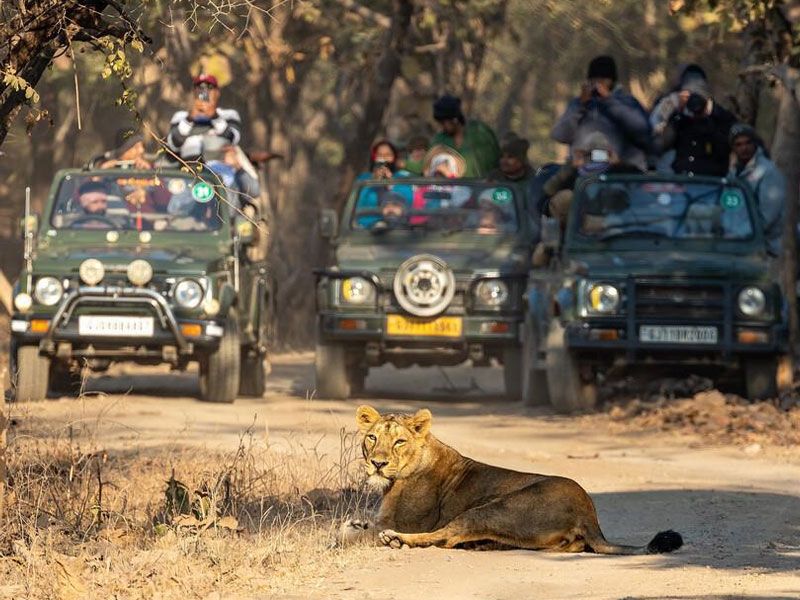
Gir National Park in Gujarat is the undisputed king of lion safaris in India. It is the only place on Earth where Asiatic lions (Panthera leo persica) roam freely outside Africa. Spanning over 1,400 square kilometers, Gir's dry deciduous forests, grasslands, and rocky hills foster a thriving lion population in harmony with other wildlife.
Location: Junagadh District, Gujarat
Wildlife Highlights: Asiatic lions, leopards, sambar, spotted deer, jackals, hyenas, crocodiles, over 300 avian species
Best Time to Visit: December to March (cool, dry climate)
Safari Mode: Jeep safaris (morning and evening slots), guided by expert naturalists
Booking Tips: Pre-book official slots via the Gir National Park website; slots fill quickly in peak season
The Safari Experience
An early morning jeep safari takes you deep into Gir’s wilderness. As dawn breaks, the dense forest awakens, and the king begins his patrol. Lions can often be seen lounging in shaded meadows, hunting, or interacting with playful cubs. Sightings are almost guaranteed, making Gir a must-see for big cat lovers.
Conservation and Community
Gir’s success story stems from effective conservation and the Bishnoi community’s harmonious coexistence with wildlife. The park’s rangers and trackers ensure safety and sustainability, making every safari both adventurous and educational.
Devaliya Safari Park: Guaranteed Lion Encounters
For visitors short on time or seeking assured lion sightings, Devaliya Safari Park offers a fenced area adjacent to Gir. Here, lions are easier to spot among diverse species, making the experience perfect for families and wildlife photographers.
Safari Duration: ~1 hour
Advantages: Predictable lion sightings, educational exhibitions
Booking: Onsite or via Gir’s main website
Other Emerging Lion Habitats
While Gir remains India's lion stronghold, efforts are ongoing to relocate lions for genetic diversity and ecosystem balance.
Kuno National Park, Madhya Pradesh: Hoped to be the next lion sanctuary with upcoming relocation programs.
Barda and Mitiyala Wildlife Sanctuary: Lesser-known reserves in Gujarat with occasional lion movement and sightings, delightful for intrepid explorers.
Leopard Safari in India: Tracking the Spotted Elegance
Leopards are India’s most adaptable big cats, found across rugged hills, forests, and even near settlements. Their elusive nature and breathtaking agility make leopard safaris an exhilarating challenge.
Jawai Bandh: The Leopard Capital
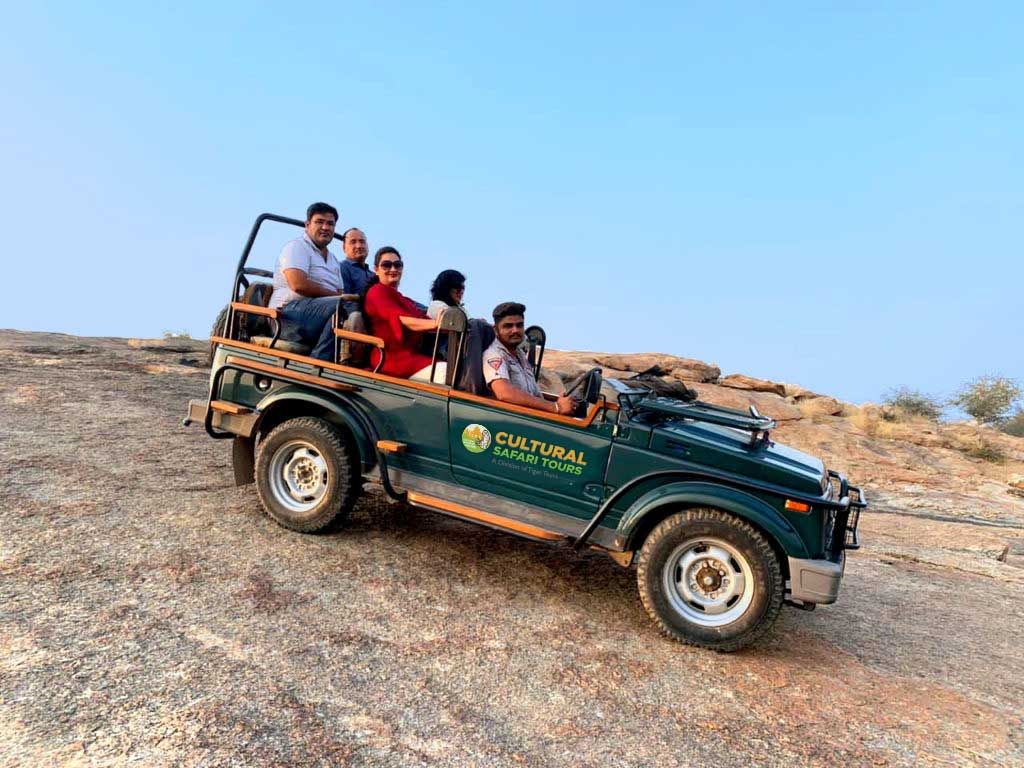
The Jawai region, situated between Udaipur and Jodhpur in Rajasthan, is famous for its surreal landscape of granite hills and boulder-strewn terrains, which offer unmatched visibility for leopard sightings.
Location: Pali District, Rajasthan
Wildlife Highlights: Indian leopards, hyenas, foxes, migratory birds
Best Safari Experience: Private jeep safaris led by local trackers, stay at Jawai Nature Stay tented camp for full immersion
Unique Feature: Leopards live in peaceful coexistence with local communities, often seen near temples and villages
Jhalana Leopard Reserve: Urban Jungle Adventure
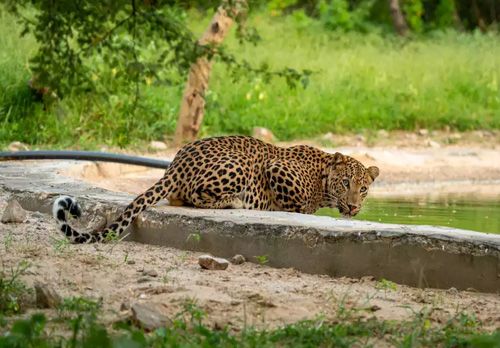
Jhalana Leopard Reserve, Jaipur’s urban oasis, is India’s first dedicated leopard reserve. Spanning around 20 sq km, it hosts over 30 resident leopards and offers frequent sightings within city limits.
Location: Jaipur, Rajasthan
Wildlife Highlights: Leopards, blue bulls (nilgai), jackals, deer, peacocks
Safari Duration: 2–3 hours per slot
Best Time: Dawn or dusk, when leopards are most active
Booking: Secure your safari early via Jhalana’s official site for popular time slots
Bera Jawai: Wild and Mystical Ecosystem
Just north of Jawai, Bera Jawai is another hotspot for leopard safaris. This region is renowned for seamless leopard-human coexistence. The sparse vegetation and open granite hills make tracking and photography rewarding.
Kabini and Nagarhole: Southern Leopard Paradise
Nestled in the Nilgiri Biosphere Reserve, Karnataka’s Kabini and Nagarhole offer thrilling encounters with leopards, including black panthers (melanistic leopards).
Location: Karnataka, near Mysore
Leopard Highlights: Spot both regular and rare black panthers stalking the teak forests and Kabini backwaters
Best Time: October to March for clear sightings
Other Notable Leopard Safari Destinations
Ranthambhore National Park, Rajasthan: Touted for tigers, but buffer zones are alive with leopards.
Pench National Park, Maharashtra & Madhya Pradesh: Dry woodlands and hilly terrain sustain robust leopard communities.
Bandipur & Satpura: Lesser-known but rewarding spots for leopard tracking.
How to Plan Your Safari
When to Go
The best months for both lion and leopard safaris are October to March, when the weather is pleasant and wildlife is most active.
Avoid May–September: Monsoon season may restrict safari access in some regions due to heavy rainfall.
Booking and Permits
Reserve jeep safaris well in advance from official park websites, especially during peak wildlife season.
Carry valid identity proofs and refer to local guidelines for permits; seats fill up quickly during holiday periods.
What to Pack
Neutral, comfortable clothing to blend in with the surroundings and for temperature fluctuations.
Good binoculars and camera gear for spotting and photographing wildlife.
Sunscreen, insect repellent, and water bottles for daytime safaris.
Guided vs Private Safaris
Expert-guided safaris offer deeper insight into animal behavior, conservation, and local culture.
Private vehicles (where permitted) add exclusivity but may limit interpretation unless accompanied by experienced guides.
The Wildlife Experience: From Excitement to Conservation
Seeing a lion or leopard in the wild is a life-changing experience. The thrill of tracking paw prints, listening to local legends, and witnessing the raw beauty of these apex predators forms the heart of every Indian wildlife journey.
What to Expect
Early morning and late evening safari slots maximize chances of sighting lions and leopards at their most active.
Spot leopards perched on rocky outcrops, lions dozing under acacia shade, or cubs playing beside the track.
Birdwatching, encounters with deer, jackals, and even sloth bears add variety to the big cat quest.
Responsible Tourism
Support local conservation efforts by choosing park-approved operators, respecting wildlife etiquette, and opting for eco-friendly accommodations where possible.
Appreciate the creator