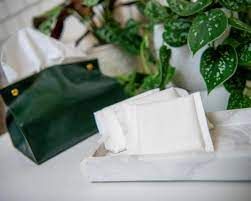
Benefits of a Flushable Sanitary Pad
Reusable cloth pads are better for the skin and are less likely to cause rashes or contact dermatitis. They can also prevent infections like TSS. However, they are not without risks if not washed and cared for correctly.
Fluus developed the first fully flushable sanitary pad and asked Mother Design to create a campaign that highlights its unique feature. When flushed, the pad breaks down to 3mm plant fibers and passes through sewerage systems unblocked.
Absorbency
The absorbency of flushable sanitary pads is a vital factor to consider when choosing the right one. The more absorbent the pad is, the less it will leak. Additionally, it will keep the odor from spreading. Moreover, a high absorption capacity helps prevent the risk of blood-borne infections.
Many girls in low-income countries struggle to maintain good menstrual hygiene because they cannot afford reliable sanitary products. This results in poor health and impedes their educational attainment and economic empowerment. Moreover, the unavailability of affordable sanitary products contributes to environmental pollution and waste.
Fluus, a UK-based brand, has developed a first-of-its-kind flushable sanitary pad that can be safely and rapidly removed with toilet paper. The new design uses patent-pending technology and is the first flushable product to pass the industry standard flush ability test for wet wipes. Its biodegradable materials are also eco-friendly. The pad breaks down in the toilet, with the hydraulic action of the flush pulling it apart into 3mm cellulose fibers that can be treated alongside sewage and toilet paper at water treatment plants.
Biodegradability
One person uses 17,000 pads and panty liners in their lifetime and conventional ones are made from up to 90% crude oil plastics, which means they’re not biodegradable. They’re also not compostable and have a big waste footprint.
Fluus’s sanitary pads use patent-pending technology called Flushtec, which has three components: a super-soft top sheet of cellulose plant fibers, a wood pulp core for immense absorption, and a barrier layer of biodegradable polymers and cellulose plant fibers. As it goes down the drain, the pad rips apart and breaks down into 3mm plant fibers by the time it gets to the water treatment center.
It can cut a menstruator’s carbon footprint by half with a single flush. Plus, it’s a good way to help free women and girls from the shackles of period poverty (also known as ‘period insecurity’). They won’t have to worry about buying expensive disposable pads each month or navigating crowded supermarket shelves to find them.
Hygiene
Reusable sanitary pads are made from cotton, bamboo and hemp cloth and are increasingly being used by women worldwide. They are more comfortable and safer than disposable products. They also create less overall waste and are more cost-efficient in the long run. The growing concern over the ecological impact of disposable sanitary pads is driving the growth of this market. This market is also driven by the demand for low-cost, biodegradable menstrual hygiene products.
According to the London-based company, WithLula, period products are the fifth most common item found on Europe’s beaches – more than plastic straws and cutlery. To tackle this, they’ve developed a range of flushable sanitary pads that can be safely disposed of in the toilet, just like toilet paper. They’re designed to feel soft and have a high level of absorbency. They’re constructed in three layers, with the top-sheet being made of biodegradable plant fibres and cushioned to be gentle on the skin. A wood pulp core then removes the blood and a biodegradable powder locks it in as a gel.
Cost
The reusable pads are more expensive than their disposable counterparts, but they're 15% more absorbent and available in a subscription that can be paused or cancelled whenever you want. They're also designed to withstand a maximum of 240 washes and feature a colour palette that's inspired by plant fibres.
The pads are made from biodegradable plants, so they're a more sustainable alternative to traditional sanitary towels. They're also made from a material that's safe for sensitive skin, and they're breathable, soft, and feel just like cotton.
The sanitary pads are also a great solution for women who are experiencing period poverty. These are women who worry month to month about how they'll afford their monthly sanitary protection. By switching to reusable pads, they can eliminate this worry. This will allow them to work, go to school, and live a healthier life. They will no longer have to rely on charity donations or use expensive, unabsorbent tampons that can cause chafing and staining.
Appreciate the creator