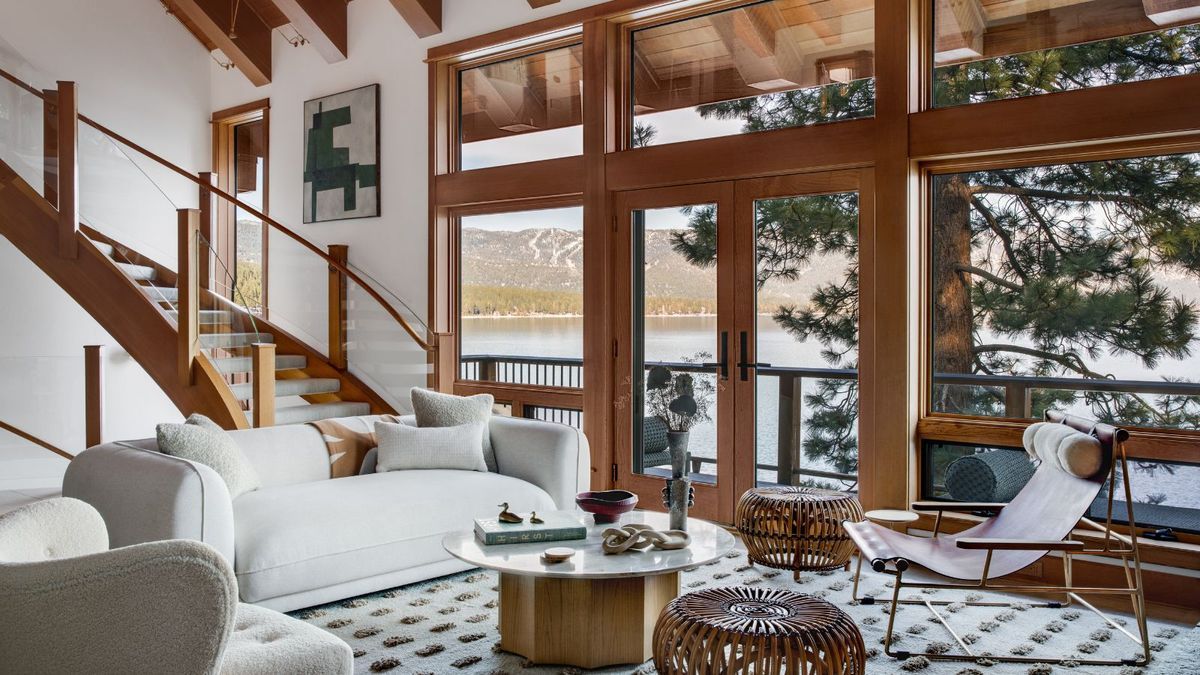
Beautiful Rose-Inspired Hues for a Romantic Taif Mountain Estate
There is a place in Saudi Arabia where the mountains blush. Every spring, the highlands of Taif disappear beneath a sea of Damask roses — pink, coral, crimson — and the air turns thick with a perfume so intoxicating it has drawn poets, kings, and travelers for centuries. To build a home here is to make a promise to the landscape. And the most honest way to keep that promise is to let the roses in — not just into the garden, but into the walls, the fabrics, the light, and the very soul of your interior spaces.
This is a guide to designing a mountain estate worthy of Taif. A home painted in the language of roses, grounded in the craft of fine interior design, and shaped by a deep respect for one of the most romantic settings on earth.
I. Why Rose Hues Belong in a Taif Estate
The Landscape as a Design Brief
Every meaningful interior begins with a conversation between the building and its surroundings. In Taif, that conversation is unmistakable. The terraced slopes, the morning fog rolling through granite valleys, the endless rose fields stretching toward the horizon — these are not just scenic backdrops. They are the design brief itself.
Rose-inspired hues allow interiors to breathe alongside the landscape rather than compete against it. When a homeowner gazes through a floor-to-ceiling window at rows of flowering Damask roses and then turns back to a living room dressed in dusty pink velvet and warm champagne plaster, the eye travels without interruption. Inside and outside become partners in a single, continuous experience.
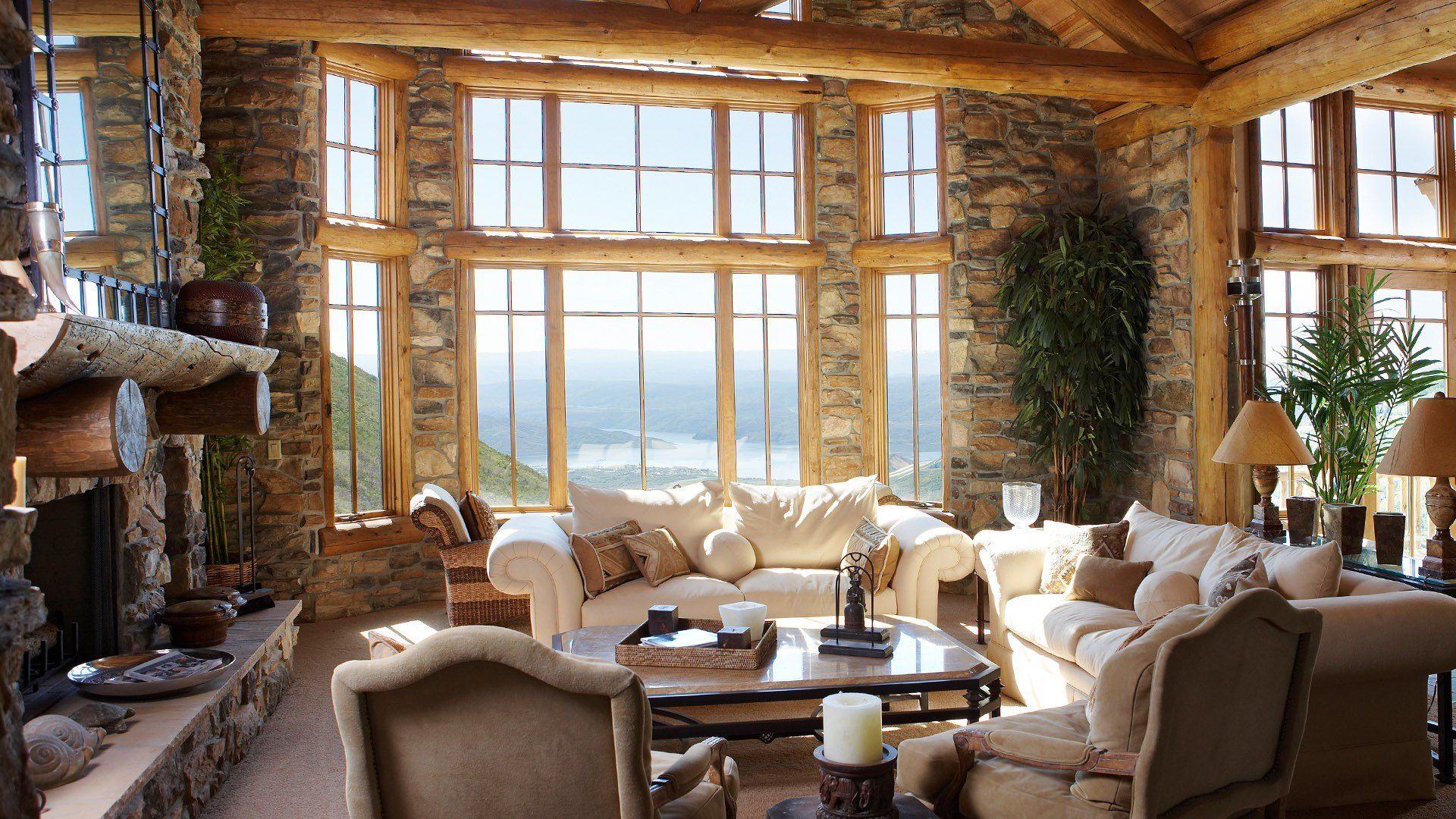
The Emotional Power of Rose Tones
Color shapes how we feel in a room long before we notice the furniture or the floor plan. Rose tones sit in a rare emotional space — they are warm without being aggressive, soft without being passive, and romantic without being sentimental. A blush-painted bedroom whispers calm. A burgundy dining room commands attention. A coral terrace radiates afternoon joy.
For a mountain estate designed around intimacy, gathering, and the quiet pleasures of elevated living, no palette carries more emotional intelligence than the spectrum found inside a single Taif rose.
II. Decoding the Full Rose Spectrum
Pale Blush and Powder Pink
The lightest members of the rose family, these tones hold barely a whisper of color. They reflect daylight beautifully, making rooms feel spacious and airy. Ideal for bedrooms, reading nooks, and private sitting areas where serenity matters most.
Dusty Rose and Mauve
Muted and refined, these mid-tones carry traces of grey or lavender beneath their surface. They bring sophistication to living rooms, formal corridors, and home offices without demanding attention. Dusty rose is one of the most versatile shades in residential interior design — equally at home against raw stone and polished marble.
Coral and Warm Salmon
These sun-kissed hues lean gently toward orange, radiating warmth and vitality. They belong in kitchens, breakfast rooms, covered terraces, and any space where morning light floods through the windows. In Taif, coral mirrors the sky at golden hour — that fleeting moment when the mountains turn amber and the roses deepen to flame.
Deep Rose, Berry, and Burgundy
Rich, saturated, and unapologetically dramatic, these are the anchors of the palette. A burgundy feature wall, a berry velvet armchair, a deep rose silk curtain — each one adds gravity and theatre to formal entertaining spaces, libraries, and dining rooms designed for lingering.
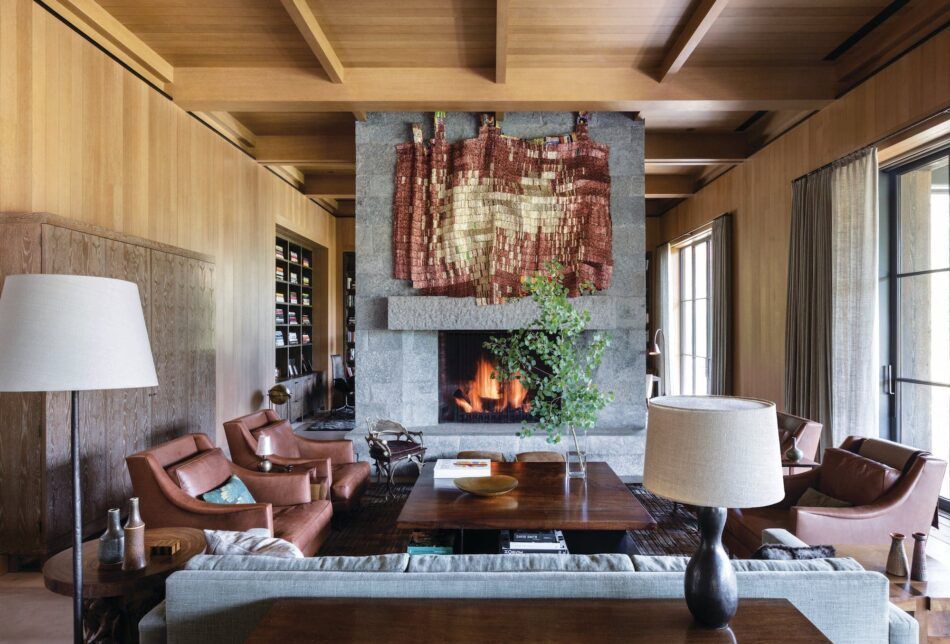
Champagne Rose and Warm Nudes
These barely-there neutrals serve as the foundation upon which every other rose tone rests. Think of them as the canvas — warm, quiet, and generous enough to let bolder accents take the stage.
III. Room by Room: Bringing the Roses Inside
1. The Grand Entrance Hall
Setting the First Impression
The entrance hall is a handshake. It tells your guests everything they need to know about the home beyond. In a rose-themed Taif estate, that handshake should feel warm, gracious, and quietly magnificent.
Walls and Surfaces
Venetian plaster in a warm champagne tone gives the walls a luminous, hand-touched quality that flat paint simply cannot achieve. The subtle irregularity of plaster catches light at different angles throughout the day, making the entrance feel alive and ever-changing.
Flooring and Rugs
Natural cream marble laid in large format slabs creates a clean, expansive ground plane. A handwoven Persian or Turkish rug in muted rose, ivory, and sage introduces the first note of the estate's color story.
Lighting and Fixtures
A statement chandelier in antique brass or hand-blown glass descends from a coffered ceiling, casting pools of golden warmth. Wall-mounted sconces in brushed bronze flank the main doorway, framing the transition from outdoors to in.
The Signature Detail
A large stone console table bearing a generous vase of freshly cut Taif roses — this single gesture ties architecture, color, and landscape into one immediate, unforgettable moment.
2. The Living Room
A Place for Gathering and Stillness
The living room of a mountain estate serves two masters — it must be grand enough for entertaining and intimate enough for a quiet evening with a book and a glass of tea. Rose hues navigate this duality with effortless grace.
The Foundation Layer
Walls dressed in warm ivory or soft limestone tones create a restful base. Wide-plank oak flooring in a honey or walnut finish adds organic warmth underfoot. These neutral foundations ensure the room never feels heavy, no matter how many layers of rose are introduced above them.
Upholstery and Seating
The primary sofa — a generous, deep-seated piece upholstered in dusty rose velvet — anchors the room. Velvet is not merely a visual choice here; it is a sensory one. It absorbs sound, softens light, and invites the kind of physical comfort that keeps guests seated long after dinner has ended. Flanking armchairs in soft grey or warm taupe linen provide contrast and prevent the palette from becoming monotonous.
Window Treatments
Mountain homes live and die by their relationship to the view. Sheer linen curtains in the palest blush soften the intense Taif sunlight while preserving the panorama of peaks and rose terraces beyond the glass. For evening, heavier drapes in deep rose or plum silk can be drawn to transform the room into a lantern-lit cocoon.
Art, Objects, and Finishing Layers
Large-scale artwork in abstract washes of rose, gold, and charcoal gives the eye a place to rest and the room a sense of intellectual depth. Decorative objects — a hand-hammered brass tray, a stack of cloth-bound books, a carved stone bowl filled with dried rose petals — complete the composition without cluttering it.
Scatter cushions in varying rose tones and textures — embroidered silk, nubby wool, soft cashmere — add the final layer of richness that elevates a well-designed room into a truly luxurious one.
Lighting Design
Three layers of light work together: recessed ceiling fixtures on dimmers provide ambient warmth; table lamps with blush silk shades offer task lighting beside reading chairs; and brass picture lights above artwork add focused, gallery-quality illumination.
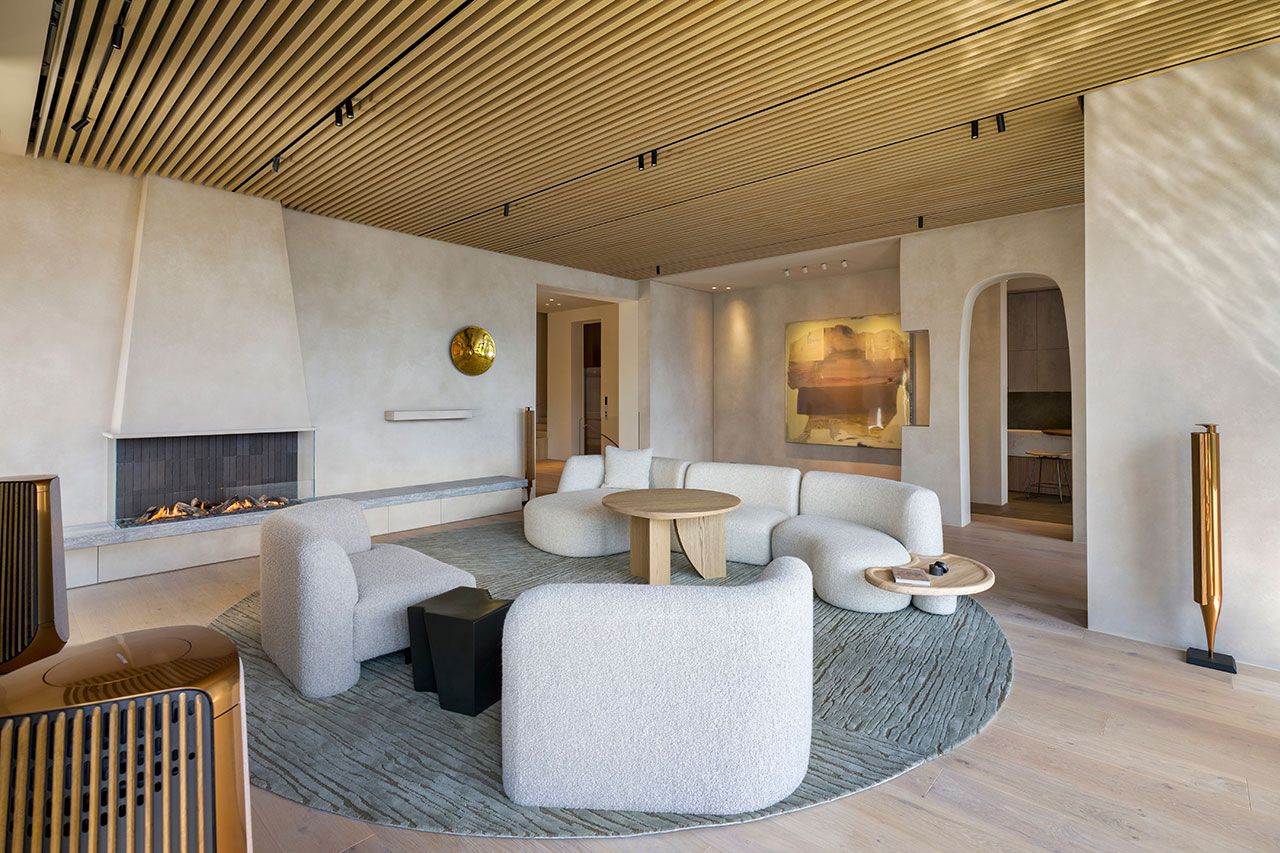
3. The Formal Dining Room
An Invitation to Linger
A dining room should make people forget the time. Every material, every color, every flicker of candlelight should conspire to slow the evening down and draw the conversation deeper.
Bold Walls, Bold Atmosphere
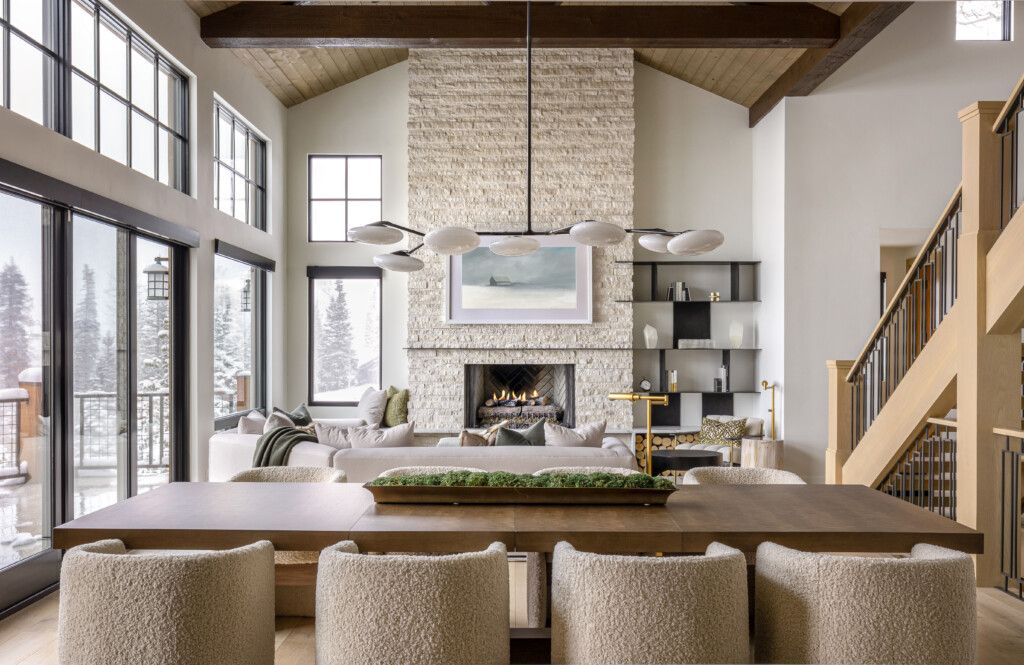
This is the room where the palette darkens. Deep burgundy or rich berry on the walls — whether in paint, fabric panels, or textured wallpaper — creates an enveloping warmth that makes candlelight dance and faces glow. Dark walls in dining rooms are an old trick of European estate design, and they remain one of the most effective tools in an interior designer's repertoire.
The Table and Chairs
A long rectangular dining table in dark walnut or ebonized oak grounds the room with weight and permanence. Upholstered dining chairs in blush or mauve linen provide soft contrast against the dark walls. The juxtaposition of light seating against rich, saturated walls is visually arresting and deeply inviting.
Tabletop Styling
Ivory porcelain rimmed in rose gold. Crystal stemware catching the candlelight. Linen napkins in dusty pink, folded simply. A low centerpiece of garden roses, ranunculus, and trailing jasmine in a hammered copper vessel. These details may seem small, but they are the threads that weave a meal into a memory.
Overhead Interest
A decorative ceiling — perhaps reclaimed wooden beams stained in a warm espresso tone, or a hand-painted medallion in soft rose and gold leaf — draws the eye upward and completes the room's sense of enclosure and occasion.
4. The Master Suite
The Most Personal Room in the House
Bedroom Walls and Palette
Soft blush or pale mauve walls wrap the room in a quiet embrace. The color should feel almost imperceptible — less like paint and more like the room is blushing with the first light of dawn.
The Bed as Centerpiece
An oversized upholstered headboard in deep rose velvet rises behind layers of fine linen bedding in white, cream, and the softest pink. The bed should look abundant — many pillows, a folded cashmere throw at the foot, a linen duvet that pools generously at the sides. Romantic bedrooms are built on the principle of layered comfort, and this is where that principle reaches its fullest expression.
Texture and Touch
Silk cushions, wool throws, linen sheets, a faux fur accent draped over an armchair — the master bedroom must appeal to the hand as much as the eye. In a room designed for rest and intimacy, tactile richness is not a luxury. It is the entire point.
The Ensuite Bathroom
Rose-veined marble — Rosa Portogallo, Rosa Bellissimo, or Breccia Oniciata — clads the vanity, shower walls, and bathtub surround. These natural stones carry rose tones that no paint could ever replicate, because they were formed by the earth itself over millions of years. Fixtures in brushed brass or unlacquered copper develop a living patina over time, adding to the room's sense of warmth and authenticity. Plush towels in blush and ivory, a small vase of fresh roses by the basin, and warm underfloor heating complete the spa-like experience.
The Dressing Room
Custom-built wardrobes in soft grey with rose-gold handles. A tufted ottoman in dusty rose positioned before a full-length mirror in an antiqued brass frame. Soft, diffused lighting that flatters. This is a private space, but it deserves the same care and intention as every public room in the estate.
5. The Kitchen and Morning Room
Where Beauty Meets Function
Kitchen Cabinetry and Surfaces
The kitchen demands practicality, so the rose palette enters with a lighter hand. Cabinetry in creamy white or warm putty grey keeps the workspace clean and functional. Natural stone countertops in a soft cream or pale rose marble introduce the color theme without sacrificing durability.
The Backsplash as a Moment of Art
Handmade zellige tiles in a delicate terracotta or blush glaze transform the backsplash into a shimmering, textural focal point. Each tile, slightly irregular and beautifully imperfect, catches the light differently — an artisan detail that elevates the kitchen far beyond the ordinary.
Copper, Brass, and Warmth
Open shelving displaying copper cookware. Pendant lights in brushed brass hanging above the island. A small bowl of rosewater beside the stove — a nod to Taif's centuries-old distillation tradition. These details weave the rose story into a room that might otherwise feel purely utilitarian.
The Breakfast Nook
Adjacent to the kitchen, a built-in banquette upholstered in a linen print inspired by Taif rose gardens — soft pinks, greens, and creams intertwined. A round marble table, a few linen cushions, and a window overlooking the mountain slopes make this the most beloved seat in the house for quiet morning hours.
6. Outdoor Living and Garden Spaces
Extending the Interior Outward
Terraces and Loggias
Covered terraces furnished with deep-cushioned seating in performance fabrics — dusty rose, soft coral, warm cream — blur the boundary between indoors and out. Teak or rattan frames weather gracefully and complement the mountain setting. Outdoor rugs in muted rose patterns define seating areas and add warmth to stone flooring.
The Rose Garden as Living Décor
In Taif, planting roses is not just gardening — it is an act of cultural continuity. Beds of Damask roses line pathways. Climbing varieties scramble over pergolas and archways. Potted miniature roses flank doorways and terrace edges. The garden becomes the estate's most powerful design element — a living, breathing, fragrant extension of the interior palette.
Evening Atmosphere
Iron lanterns casting amber light. String lights woven through olive trees. Recessed pathway lighting guiding guests through the garden after dark. The outdoor spaces should feel as considered and complete as any room inside the house.
IV. Materials, Textures, and the Craft of Refinement
Stone: The Soul of the Mountain Home
Local Taif granite and limestone for exterior walls and feature accents root the estate in its geography. Rose-veined imported marbles bring the color story into bathrooms, entrance halls, and formal spaces with a natural authority that no manufactured material can match.
Wood: Warmth and Memory
Walnut, oak, and cedar bring organic richness to ceilings, floors, paneled libraries, and bespoke furniture. Exposed ceiling beams in a warm stain echo the timber traditions of highland architecture and provide essential visual weight against the softness of the rose palette.
Metal: Light and Luster
Brass, rose gold, and copper are the natural metallic companions to rose interiors. Used in lighting fixtures, door handles, cabinet hardware, mirror frames, and decorative objects, they catch light and radiate warmth in a way that chrome or nickel simply cannot.
Textiles: The Final Embrace
Silk, velvet, linen, cashmere, wool — each fabric tells a different part of the story. Velvet absorbs and enriches color. Silk reflects and elevates it. Linen grounds it in honesty. Cashmere and wool add tactile indulgence. A well-designed room layers all of these, creating an experience that rewards not just the eye but every sense.
V. Guarding Against Excess: Keeping the Palette Sophisticated
Anchor with Darkness
Charcoal, espresso, deep navy, and matte black prevent the palette from drifting into sweetness. A dark-framed mirror, a blackened iron side table, a charcoal linen curtain — these grounding elements give rose hues the contrast they need to read as elegant rather than saccharine.
Invite Green as a Natural Counterpoint
Potted olive trees, trailing ferns, bowls of fresh greenery, and sage-toned accent cushions introduce the other half of the rose garden — the leaves, the stems, the vines. Green and rose are natural companions, and together they create a palette that feels alive and rooted in the real world.
Vary the Undertones
A room where every pink element shares the same undertone will feel flat and one-dimensional. Mixing warm corals with cool mauves, bright blush with muted dusty rose, creates the kind of chromatic complexity that makes a space feel layered, considered, and endlessly interesting.
Let Neutrals Lead
In most rooms, rose tones should occupy roughly a third of the visible color. The rest belongs to warm neutrals — cream, taupe, warm grey, soft white. This restraint is what separates a masterfully designed rose interior from one that simply went shopping for pink furniture.
VI. Styling Secrets: Details That Make the Difference
Scent as an Interior Design Element
In most homes, fragrance is an afterthought — a candle lit before guests arrive, quickly forgotten. In a Taif estate, scent is architecture. Bowls of dried Damask rose petals placed on console tables and bookshelves release their perfume slowly over weeks. Rosewater misted lightly onto linen curtains before a gathering fills the room with a fragrance so delicate it registers as atmosphere rather than aroma. Handmade incense blending oud and rose — a traditional Saudi Arabian combination — can be burned in brass censers during evening gatherings, layering the air with warmth and ceremony. A home that smells like roses before you even see the color pink has already won half the battle.
Mirrors and Reflective Surfaces
Rose tones come alive when they are reflected. A large antiqued mirror hung opposite a window doubles the soft blush light pouring into the room. Mercury glass vases on a mantelpiece scatter fragments of rose and gold across surrounding walls. Even a polished marble floor acts as a reflective surface, bouncing the warmth of a dusty rose ceiling back upward and creating a luminous glow that photographs beautifully but feels even better in person. Strategic placement of mirrors and reflective objects is one of the oldest and most reliable techniques in interior decoration, and it serves the rose palette with particular generosity.
Seasonal Refresh Without Redesign
One of the great advantages of building a room around a neutral base with rose accents is the ease of seasonal change. In cooler mountain months, heavier velvet cushions in deep berry and burgundy, wool throws in plum, and arrangements of dried roses create a rich, cocooning atmosphere. When spring returns and the Taif rose harvest begins again, lighter linens in blush and coral replace the heavier textiles, fresh-cut flowers fill every vase, and the windows stay open to let the garden perfume flood through the rooms. The bones of the design remain constant; only the accessories shift, keeping the home feeling fresh and responsive to the rhythms of the year.
VII. A Home That Tells a Story
The finest homes do more than shelter. They narrate. They hold meaning in their walls and memory in their materials. A rose-inspired Taif mountain estate tells the story of its place — the ancient rose harvest, the misty peaks, the centuries of perfume and poetry that have made this corner of Saudi Arabia unlike anywhere else on earth.
When the palette is chosen with care, when materials are selected for authenticity, when every room honors both beauty and purpose, the result is a home that does not merely reflect the landscape but participates in it. A home where the boundary between the garden and the living room dissolves. Where the scent of Damask roses drifts through open windows and finds its echo in blush velvet, rose marble, and the warm glow of brass at twilight.
That is the promise of rose-inspired interior design in Saudi Arabia, Taif. Not decoration for its own sake, but a way of living that is as fragrant, layered, and deeply felt as the roses themselves.
Appreciate the creator