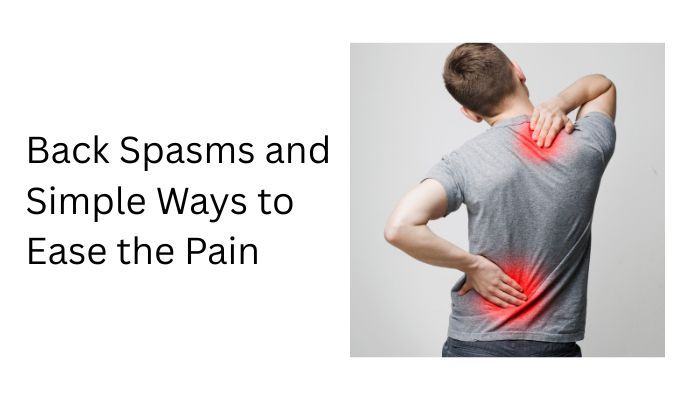
Back Spasms and Simple Ways to Ease the Pain
A sharp pull in the lower back can turn a normal day into a nightmare within seconds. Muscle spasms in the back develop when tissues tighten without control and refuse to relax. This discomfort may last for minutes. Many people experience back spasms after long hours of sitting, poor movement habits, stress, or heavy physical effort. Proper care, rest, and healthy posture help lower strain on spinal muscles. In this guide, we'll learn the causes, warning signs, and practical methods that support daily comfort and movement.
What Causes Sudden and Recurring Back Muscle Spasms?
Poor Posture
Long hours spent sitting in a bent position place extra stress on spinal muscles and joints. Regular stretching, posture correction, and back muscle pain relief exercises can support flexibility, reduce stiffness, and improve body movement during work, travel, and household activities each day.
Heavy Lifting
Lifting heavy objects without proper support for the body increases pressure on the lower spine. Sudden twisting while carrying weight can tighten muscles, strain tissues, and trigger painful spasms that may recur after physical activity or demanding work routines over time.
Weak Core
Weak stomach and pelvic muscles fail to support the spine properly during standing, walking, and bending. This imbalance places more pressure on the lower back, increasing the risk of repeated muscle tightness, poor posture, fatigue, and painful movement throughout the day.
Stress Build Up
Mental stress tightens muscles surrounding the neck and lower spine. Continuous tension reduces flexibility, increases stiffness, and disrupts normal sleep and movement patterns in adults.
Lack Of Rest
Muscles require recovery after repeated physical activity and poor sleep. Without enough recovery time, back spasms may increase and affect routine physical tasks for longer.
Early Signs That Show Your Back Needs Immediate Care
Morning Stiffness
Pain felt strongly after waking may indicate strained muscles or poor posture. Gentle movement and back muscle pain relief methods support easier mobility during mornings.
Limited Movement
Difficulty bending, standing upright, or turning normally may suggest deeper muscle tension. Restricted movement lasting several days warrants immediate specialist medical attention.
Burning Sensation
A warm burning feeling near the lower back may develop after physical strain. This symptom can indicate irritated muscles, joints, or surrounding nerves in adults.
Pain During Sitting
Sitting for extended periods without support can increase pressure on the spine. Pain worsening during rest may point toward weakness or muscular imbalance in daily activities.
Sudden Muscle Tightness
Quick tightening in the lower back during movement may signal the onset of back spasms. Repeated episodes can seriously affect balance, posture, and workplace performance over time.
Effective Relief Tips to Reduce Back Spasm
Stretch Regularly
Gentle stretching improves circulation and reduces tension around spinal muscles. Daily back muscle pain relief exercises support flexibility, smoother movement, and improved physical comfort daily.
Use Heat Therapy
Warm compresses relax tight muscles and improve circulation around affected areas. Applying heat briefly after activity may reduce stiffness and support physical comfort during recovery.
Improve Sleeping Position
Sleeping with proper spinal support reduces pressure surrounding the lower back. Supportive pillows beneath the knees help maintain healthier alignment throughout nighttime rest for adults.
Stay Active
Light walking and controlled movement help muscles remain flexible throughout recovery. Staying active supports natural healing and reduces stiffness from prolonged physical inactivity.
Maintain a Healthy Weight
Extra body weight places pressure on spinal muscles and joints. Maintaining physical fitness may reduce back spasms and support long-term spinal comfort during adulthood.
Final Insight
Back muscle spasms may begin suddenly, but they usually develop from repeated strain, weak posture, or poor physical habits. Stretching, healthy movement, supportive sleeping positions, and proper lifting methods play a major role in protecting the spine. Medical advice should be considered if pain continues for several days or affects normal movement. Simple lifestyle improvements, along with back muscle pain relief practices, can support stronger back health and better comfort during daily activities.
Appreciate the creator