
Automation in E2e Testing and Its Impact on Quality Assurance
W
elcome to the world of Quality Assurance! In today's fast-paced and technology-driven era, quality assurance has become a crucial aspect of software development. End-to-End (E2E) testing is an essential component of this process as it ensures that all system components are working correctly before deployment. However, executing E2E testing manually can be time-consuming and error-prone. This is where automation comes into play - with its ability to improve efficiency, reduce costs and increase accuracy in processes. So let's dive in and explore how automation impacts E2E testing and Quality Assurance!
What is E2E Testing?
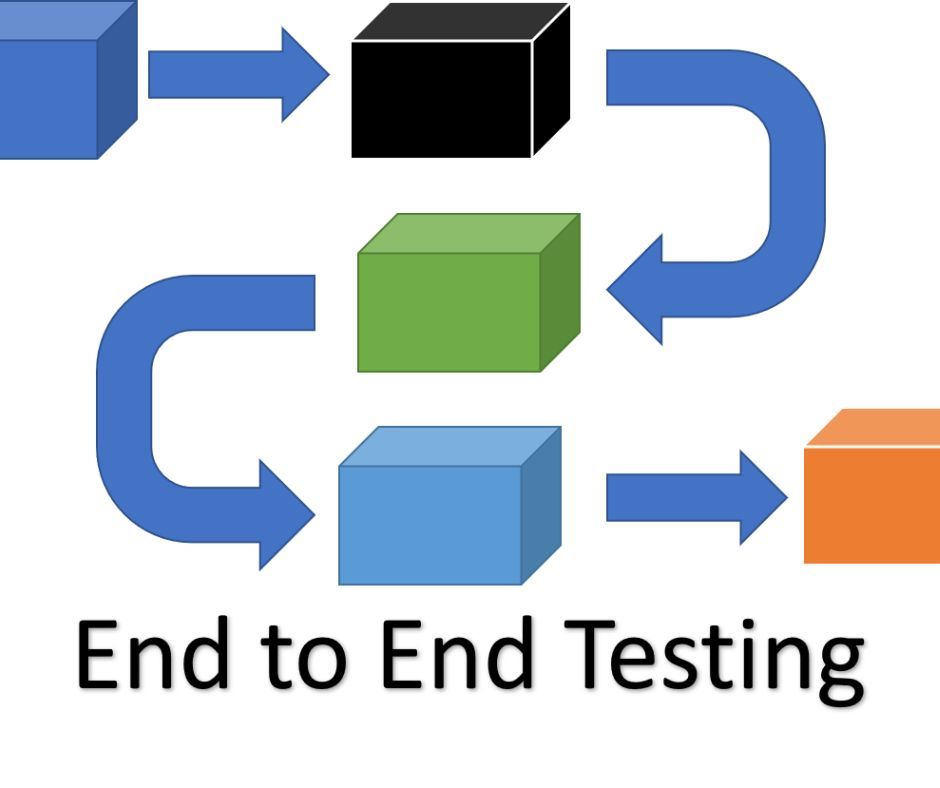
End-to-End (E2E) testing is a type of software testing that assesses the entire system from start to finish. It tests all components and elements in an application, including hardware, software, and network infrastructure. The goal of E2E testing is to ensure that the application functions as expected and meets business requirements. During E2E testing, testers simulate real-world scenarios to confirm if the application can handle different situations such as user traffic spikes or data overload. This type of testing also evaluates how well various components work together within the system by verifying whether they are properly integrated with each other. One advantage of performing E2E testing is identifying defects early on in the development process before deployment. Fixing issues detected during this phase saves time and reduces costs compared to fixing them after release. In summary, E2E Testing plays a crucial role in ensuring that an application works correctly under any possible scenario while meeting end-users' expectations.
The Benefits of Automation in E2E Testing
Automation in E2E testing has revolutionized the way software testing is performed. The benefits of automation are plenty, and they make E2E testing faster, more efficient, and cost-effective. One major benefit of automation is that it reduces human error. Manual testing can be tedious and repetitive, leading to errors due to fatigue or oversight. Automation eliminates these issues by running tests repeatedly without any variation in execution. Another advantage is that it increases test coverage. With manual testing, only a limited number of scenarios can be tested due to time constraints. However, with automated testing tools like Selenium or Appium, thousands of test cases can be executed within minutes. Automation also improves overall quality assurance. It enables QA teams to detect defects early on in the development cycle before they turn into major issues further down the line when fixing them would become increasingly costly and time-consuming. Automation significantly saves costs as well as time spent on regression tests which usually take a long period of time when done manually since most businesses have limited resources for software development projects. In conclusion (never use this phrase), implementing automation into E2E Testing brings many benefits ranging from saving money while increasing efficiency up to better quality control standards throughout your entire system’s lifecycle!
The Drawbacks of Automation in E2E Testing
While automation in E2E testing has many benefits, it also comes with its own drawbacks. It's important to take these into consideration before implementing automation into your testing process. One drawback is the initial cost of setting up an automated system. This includes purchasing software and hardware, as well as hiring experts who are knowledgeable about automation tools and technologies. The costs can be significant, especially for smaller companies or those on a tight budget. Another challenge is keeping up with changes in technology. Automation tools require regular updates to keep up with new versions of operating systems and devices that need to be tested. These updates can be time-consuming and costly, requiring additional resources from the organization. Automation may also not catch all issues that manual testers would identify. While automated tests are great at covering large areas of code quickly, they often miss edge cases or other corner scenarios that only human testers would notice. There's the risk of false positives - cases where an automated test reports a bug when none exists - which can lead to wasted time and effort troubleshooting non-existent problems. While automation offers many benefits for E2E testing processes such as improved efficiency and accuracy in identifying bugs; it’s essential for organizations to consider both the advantages and disadvantages before making any decisions regarding its implementation
How to Implement Automation in E2E Testing
Implementing automation in E2E testing requires a careful and systematic approach. First, it is important to identify which tests can be automated and which ones require manual testing. This will help in determining the scope of automation. Once you have identified the tests that can be automated, choose the right tool for the job. There are many tools available for automation testing such as Selenium, Appium, TestComplete etc., so do your research to find out which one is best suited for your project. Next, create a test plan and establish a clear set of objectives based on your requirements. Define what needs to be tested, how it should be tested and what results you expect to achieve from each test case. After creating the test plan, start building your test cases using an appropriate coding language like Java or Python. Make sure that you follow coding best practices such as modularization and use of readable code. Once all these steps are completed successfully, integrate your automated tests into continuous integration/continuous delivery (CI/CD) pipeline so that they run automatically every time new code is committed to source control. In conclusion implementing automation in E2E testing requires proper planning and execution at every stage of development process. But when done right it could lead to significant improvements in quality assurance while reducing time-to-market with lower costs of maintenance over time
Conclusion
Automation in E2E testing plays a crucial role in improving the quality assurance process. The benefits of automation include faster and more accurate results, increased test coverage, and reduced time-to-market. However, there are also some drawbacks to consider such as initial investment costs and potential limitations with complex systems. To successfully implement automation in E2E testing, it's important to have a clear understanding of your organization's goals and objectives. Evaluate the tools available on the market that best suit your requirements and invest in training for your team to ensure they can effectively use these tools. By incorporating automated testing into your QA process, you can achieve higher levels of accuracy while saving valuable time and resources. Ultimately, this will result in better product quality for end-users and an improved reputation for your business overall.
Appreciate the creator